
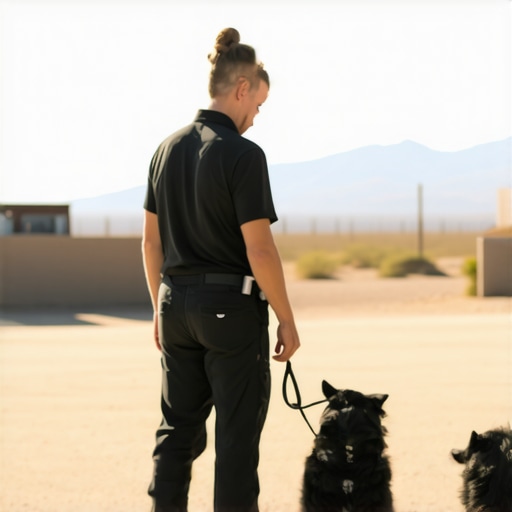
The Truth About Seizure Response Dogs in Arizona
Understanding the Role of Seizure Response Dogs
Seizure response dogs are more than just companions; they’re life-saving partners trained to detect and respond to seizures. These dogs provide a critical safety net for individuals living with epilepsy, offering warning signals and assistance during and after episodes. Proper training is essential to ensure these canines perform their duties reliably and safely.
Common Training Mistakes That Can Compromise Safety
Despite their importance, many seizure response dogs in Arizona suffer from training errors. These mistakes often stem from a mismatch between training techniques and the dog’s individual needs, leading to inconsistent responses during seizures. For example, overreliance on outdated commands or poorly timed reinforcement can create confusion and diminish the dog’s effectiveness.
Why Does Accurate Training Matter in 2026?
As the use of seizure response dogs becomes more widespread, especially in regions like Arizona with high epilepsy rates, the stakes are higher than ever. Incorrect training not only jeopardizes the dog’s ability to assist but also poses serious risks to the handler’s safety. Ensuring these dogs are properly trained is fundamental to maximizing their protective benefits and maintaining public trust in service animals.
For those seeking expert guidance, reputable programs like Robinson Dog Training offer specialized courses that address common pitfalls and incorporate the latest training standards. Investing in proper education ensures that seizure response dogs in Arizona are prepared to serve their owners effectively and safely.
Enhancing Seizure Response Dog Training in Arizona for Optimal Safety
Tailoring Training to Dog Behavior and Handler Needs
One of the most critical aspects of effective seizure response training is customization. Every dog has unique temperaments and learning styles that must be considered. For instance, a high-energy border collie may require different reinforcement techniques compared to a more laid-back greyhound. Personalized training programs that adapt to these traits ensure the dog remains confident and responsive during seizures.
Using Positive Reinforcement to Cement Behavior
Applying positive reinforcement techniques accelerates learning and increases the dog’s reliability. Rewarding desired behaviors immediately after they occur helps the dog associate the action with positive outcomes. This approach, combined with clear commands, minimizes confusion and promotes consistency, especially crucial during emergency responses.
Implementing Real-Life Scenario Training
Traditional training sessions can fall short if they don’t mimic real-world situations. Incorporating scenario-based exercises—such as simulated seizure episodes or distractions in busy environments—prepares the dog for unpredictable circumstances. These simulated trials enhance the dog’s confidence and responsiveness, ensuring they perform reliably in actual emergencies.
Research also indicates that training in various environments around Arizona, from urban settings to remote areas, helps dogs adapt to different contexts. For detailed strategies tailored to individual dogs, consulting with certified trainers can make a significant difference in training outcomes.
Refining Training Techniques for Maximum Reliability
Incorporating Scent Detection Methods
One advanced approach involves scent detection training, enabling dogs to recognize early neurological changes associated with seizures. This nuanced method requires specialized resources and consistent practice but can significantly improve warning times, giving handlers crucial moments to prepare.
Implementing Graduated Distraction Exercises
To ensure dogs remain focused during chaos, trainers should progressively introduce distractions—like loud noises, unfamiliar people, or complex environments—in training scenarios. This graduated exposure builds resilience and sharpens the dog’s ability to respond under real-world conditions.
Common Misconceptions About Service Dog Training in Arizona
- All dogs are suitable for seizure response training: Not true. Temperament, health, and trainability are critical factors. Proper assessment prevents investing in unsuitable candidates.
- Training can be rushed: Effective training is time-intensive. Rushing compromises reliability and safety. Patience and consistency are key.
Expert Tips for Effective Seizure Response Dog Training
- Consistency in Commands: Use clear, simple commands and ensure all handlers follow the same protocols to prevent confusion.
- Regular Refresher Training: Ongoing sessions keep skills sharp, especially as dogs age or encounter new environments.
Emerging Trends and Future Opportunities in Seizure Response Dog Training in Arizona
Technological Innovations Enhancing Training Effectiveness
As we move further into 2026, technology continues to revolutionize the training of seizure response dogs. Devices such as hyper-sensitive scent detection collars and real-time monitoring apps enable trainers and handlers to track progress, reinforce correct behaviors, and detect early warning signs of seizures with unprecedented accuracy. Integrating these tools into training protocols not only accelerates learning but also enhances reliability during critical moments.
The Role of Artificial Intelligence in Service Animal Training
Artificial Intelligence (AI) systems are increasingly being employed to customize training programs. AI analyzes a dog’s responses to various stimuli, recommending tailored training exercises that address individual strengths and weaknesses. This personalized approach ensures each seizure response dog in Arizona reaches peak performance, boosting confidence among handlers and safety for users.
Growing Emphasis on Emotional and Behavioral Compatibility
Beyond technical skills, future training emphasizes emotional intelligence and behavioral compatibility between dogs and handlers. Selection criteria are evolving to prioritize dogs that demonstrate resilience to stress and adaptability in diverse environments—important traits for navigating Arizona’s varied landscapes, from urban settings to remote wilderness. This holistic approach fosters stronger bonds and more dependable responses during emergencies.
Incorporating Virtual Reality (VR) for Scenario-Based Training
Innovative VR simulations are becoming valuable tools for preparing seizure response dogs for unpredictable situations. Trainers can recreate complex, high-stress environments—like crowded public spaces or noisy outdoor markets—without logistical challenges. VR exposure enhances dogs’ confidence and response consistency, making them better equipped to support their handlers in real-life emergency scenarios around Arizona.
Future Trends in Handler Support and Education
In addition to training dogs, support systems for handlers are advancing. Online platforms offering expert guidance, interactive webinars, and peer support communities are enabling handlers across Arizona to stay informed about the latest training techniques and best practices. Continued education helps handlers maintain effective communication, reinforce training consistency, and adapt to the evolving needs of their service dogs.
Why Investing in Continuing Education is Crucial
As technologies and methodologies evolve, ongoing education for trainers and handlers ensures seizure response dogs remain reliable and safe. Lawmakers and advocacy groups are advocating for standardized certification programs that incorporate these innovations, fostering trust and professionalism within Arizona’s service animal community.
People Also Ask: How Will Future Technologies Impact Seizure Response Dogs in Arizona?
Emerging advancements like AI and VR are set to make seizure response training more precise and accessible. These technologies facilitate personalized training, reduce time-to-competency, and prepare dogs for a broader range of real-world scenarios, ultimately enhancing safety and quality of life for individuals with epilepsy in Arizona.
Frequently Asked Questions
How can I ensure my seizure response dog is properly trained?
Seek out reputable training programs that adhere to the latest standards, such as those offered by Robinson Dog Training. Personalized training, positive reinforcement, and real-life scenario exposure are key components to reliable performance.
What advancements are shaping the future of service dog training in Arizona?
Emerging technologies like artificial intelligence, virtual reality, and hyper-sensitive scent detection collars are transforming training efficacy. These innovations allow for tailored, efficient, and realistic preparation, enhancing safety for handlers and their dogs.
Why is ongoing education important for handlers of seizure response dogs?
Continual learning ensures handlers stay updated on new techniques and technological tools, maintaining a high standard of care. It also helps foster stronger bonds and effective communication with their service dogs in diverse environments.
Are all dogs suitable for seizure response training?
No, suitability depends on temperament, health, and trainability. Proper assessment prevents investing in dogs that may not perform reliably, ensuring safety and effectiveness.
What role does Arizona’s environment play in training these service dogs?
Arizona’s varied landscapes—from urban settings to remote wilderness—necessitate training in diverse environments. This prepares dogs to respond confidently and effectively in any encounter, maximizing their protective capabilities.
The Bottom Line
Advancements in training methodologies and technology are elevating the standard for seizure response dogs in Arizona. By prioritizing personalized, innovative, and continued education-focused approaches, we can ensure these life-saving partners perform with unmatched reliability and safety, transforming the lives of individuals with epilepsy and enhancing public trust in service animals.
Take Action Today
Interested in enhancing your understanding or seeking expert training for seizure response dogs? Contact Robinson Dog Training today and take the first step towards a safer, more confident future.