
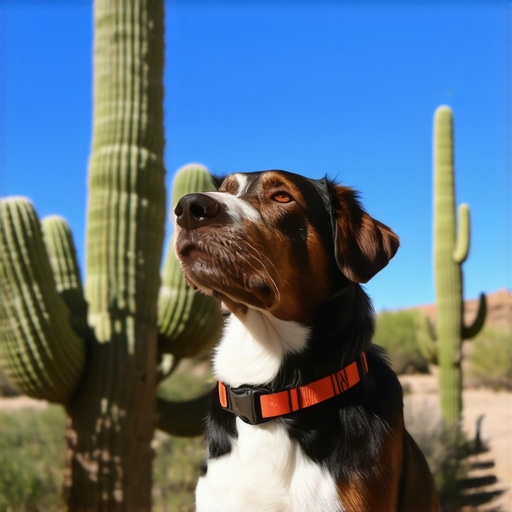
The Truth About Keeping Your Diabetic Alert Dog Effective in Extreme Heat
In Arizona’s scorching summers, ensuring that your diabetic alert dog remains reliable is a challenge that every responsible owner faces. These highly trained canines depend heavily on their sense of smell to alert diabetics to dangerous blood sugar levels. Yet, intense heat can interfere with their olfactory abilities, rendering their alerts less trustworthy—and risking your health.
Understanding the Impact of Heat on Scent Detection
Heat doesn’t just make humans uncomfortable; it also affects how dogs perceive scents. Elevated temperatures can cause scent particles to disperse quickly or settle differently, intimidating a dog’s ability to detect subtle changes in blood sugar levels. Not all dogs respond equally, but in extreme heat, even the most skilled companions can experience a drop in accuracy.
Why Are Arizona’s Summers Particularly Challenging?
Arizona’s climate offers long, intense summers with temperatures regularly soaring above 100°F (38°C). Such conditions create a unique set of challenges for diabetic alert dogs. For instance, asphalt surfaces retain heat, which can impact indoor training, and outdoor environments become more unpredictable. These factors make heat-resistance a priority for handler training and scent preservation.
People Also Ask: How Can I Prepare My Dog for Hot Weather?
Preparation involves more than just providing water. It’s essential to adapt your training and daily routine—shifting activities to cooler parts of the day, using cooling vests, and ensuring your dog’s environment remains as temperature-controlled as possible. Additionally, selecting scent training techniques that are resilient to heat changes can significantly improve your dog’s performance during Arizona’s hottest months.
To visualize effective scent preservation strategies, consider exploring heat-resistant scent training techniques. They offer valuable insights tailored to desert climates.
Maintaining Your Diabetic Alert Dog’s Performance During Arizona’s Hot Summers
As temperatures soar, many owners wonder how to keep their diabetic alert dogs functioning effectively amidst the intense heat. Proper care extends beyond simple hydration; it involves strategic modifications to training routines, environment management, and understanding the nuances of scent detection in high temperatures. Implementing these practices not only preserves your dog’s alert capabilities but also safeguards their health in the desert climate.
Implementing Rest Periods and Cooling Strategies
One of the simplest yet most effective methods is scheduling regular rest periods during peak heat hours. Early mornings and late evenings tend to be cooler, making them ideal for training and scent work. Utilizing cooling vests or mats can dramatically reduce your dog’s body temperature. For example, a well-fitted cooling vest soaked in cool water can provide relief during outdoor activities, preventing overheating that impairs olfactory function.
Adapting Training Techniques for Heat Resilience
Training routines should focus on reinforcing scent detection skills in hotter conditions. Short, frequent training sessions with ample breaks help prevent fatigue and overheating. Consider employing scent stimuli that are less sensitive to environmental changes—using scent blends or seeking training locations with shaded or climate-controlled areas can make a significant difference. case studies indicate that dogs trained with heat-resilient methods maintain higher alert accuracy during summer months.
Monitoring Your Dog’s Health and Behavior
Vigilant observation is crucial. Signs of heat stress include excessive panting, drooling, weakness, or disorientation. If any of these symptoms appear, immediate cooling measures and veterinary consultation are necessary. Regularly checking your dog’s nose and paws for signs of heat damage is also recommended. Ensuring your canine companion’s health remains optimal supports their sensory effectiveness and overall well-being.
Environmental Adjustments and Location Selection
Creating a cool, shaded environment at home helps your dog recover after outdoor activities. When training or walking outdoors, prioritize areas with natural shade or artificial coverings. Additionally, reflective surfaces like asphalt should be avoided during the hottest parts of the day, as they can reflect heat and cause burns or discomfort. Using outdoor mats designed to insulate your dog’s paws from the hot ground is an added precaution.
Some owners have found success by integrating portable misting systems or fans into their routines, especially if their training area allows. These tools help maintain a comfortable temperature, ensuring that scent detection remains sharp and reliable. For broader insights tailored to desert climates, exploring heat-resistant scent training techniques can provide valuable guidance.
Advanced Techniques for Optimizing Your Dog’s Performance in High Temperatures
While basic precautions help your diabetic alert dog cope with heat, implementing specialized, advanced strategies can significantly enhance their reliability during scorching conditions. These techniques focus on fine-tuning scent detection consistency, environmental adaptations, and innovative training methods tailored for extreme heat environments.
Utilizing Scent Calibration and Buffering Techniques
In high temperatures, scent molecules disperse more rapidly, diminishing detection accuracy. To counter this, consider employing scent calibration by training your dog on artificially stabilized scent sources. This can involve using scent containment containers with controlled release rates, allowing your dog to recognize consistent odor signatures despite environmental fluctuations. Additionally, introducing scent buffering layers—such as wrapping scent containers with insulating materials—can help maintain scent integrity during outdoor activities.
Implementing Heat-Resilient Training Protocols
Advanced training involves simulated heat conditions to acclimate your dog’s olfactory system to temperature-induced scent variability. Techniques include arranging training sessions in shaded outdoor areas with controlled exposure to heat sources, gradually increasing duration to build resilience. Incorporating reward-based training that emphasizes scent detection amid environmental distractions helps strengthen reliability. Moreover, auditory or tactile signals can be integrated as secondary alerts to support scent detection during moments of olfactory impairment.
Environmental Modifications for Consistent Detection
Creating dedicated, climate-controlled scent detection zones within your home or training facility ensures consistency. Installing portable air filtration units and humidifiers can optimize indoor air quality, reducing scent particle dispersal issues. Outdoor spaces can be outfitted with shaded docking stations made of heat-reflective materials, providing respite during sessions. These setups minimize scent contamination and temperature effects, maintaining high detection accuracy.
Monitoring and Data Logging for Performance Insights
Collecting detailed data on your dog’s alert responses in various conditions enables targeted adjustments. Using sensor technology or manual logs, track scent detection success rates relative to temperature, humidity, and time of day. Analyzing this data allows for personalized training modifications, identifying optimal performance windows and areas for improvement. Incorporating real-time temperature and humidity monitors during training can inform immediate environment adjustments, such as timing or location changes.
For a comprehensive overview of cutting-edge scent preservation methods, explore cornerstone resources like advanced scent training techniques that emphasize resilience in adverse conditions. These insights help maintain your dog’s alert effectiveness even during the most challenging hot months.
Harnessing Technology and Future Trends to Support Your Diabetic Alert Dog in Hot Climates
As climate change leads to increasing temperatures worldwide, the importance of leveraging advanced solutions to maintain your diabetic alert dog’s reliability in extreme heat becomes paramount. Emerging technologies and innovative training methodologies are shaping the future of scent detection, offering enhanced resilience and accuracy even under challenging environmental conditions.
Integrating Wearable Sensors and Data Analytics
One exciting development is the use of wearable sensor technology that monitors your dog’s vital signs, activity levels, and environmental conditions in real-time. Devices equipped with GPS, temperature sensors, and respiratory monitors can provide valuable data to assess your dog’s health and alertness, enabling timely interventions and tailored training adjustments. Data analytics platforms can identify patterns and optimal performance windows, ensuring your canine partner remains dependable during peak heat.
Employing AI and Machine Learning for Scent Detection Optimization
Artificial intelligence (AI) and machine learning algorithms are revolutionizing scent detection training. These systems can analyze your dog’s response responses to various scents under different temperature and humidity levels, creating personalized training programs that enhance scent resilience. AI-driven scent models can simulate environmental variability, helping your dog adapt to high-temperature scenarios and maintain alert accuracy.
Developing Climate-Resistant Training Environments
The future also points toward the creation of specialized indoor training facilities equipped with climate control, UV lighting, and scent control systems. These environments allow for consistent training irrespective of outdoor weather conditions, reinforcing scent detection skills and ensuring your dog’s performance doesn’t deteriorate during Arizona’s hottest months. Portable residential climate control units and cooling systems are becoming more accessible, making at-home adaptation feasible.
Community and Expert Support Networks
Advancements are not limited to technology; online platforms and professional support networks are facilitating shared knowledge, training tips, and real-time consultations. Connecting with expert trainers, veteran K9 handlers, and fellow owners provides ongoing education and innovative approaches to maintaining scent detection in heat. This collaborative ecosystem accelerates the adoption of cutting-edge practices tailored to extreme climates.
Staying Ahead with Continuous Education
Keeping abreast of the latest research, attending workshops, and participating in specialized courses ensures you and your dog benefit from the most effective, scientifically-backed techniques. Resources such as advanced scent training methods offer insights into resilience-building strategies adaptable to future environmental challenges.
Frequently Asked Questions
1. How can I tell if my dog is affected by the heat during training?
Watch for signs like excessive panting, drooling, weakness, disorientation, or reluctance to continue activity. If you notice these symptoms, stop training immediately and provide cooling. Regular veterinary check-ups can also help monitor your dog’s heat tolerance.
2. What materials or products are best for cooling my dog during outdoor sessions?
Cooling vests soaked in cool water, shaded mats, portable fans, or misting systems can help regulate your dog’s body temperature. Always ensure materials are safe and comfortable for your pet.
3. How does scent detection performance vary with temperature?
Higher temperatures can cause scent particles to disperse or settle differently, potentially reducing detection accuracy. Training in heat-resistant environments and using specific scent calibration techniques can mitigate these effects.
4. Are there specific training techniques to improve heat resilience in scent detection?
Yes. Short, frequent training sessions in shaded or climate-controlled areas, combined with scent calibration and resilience exercises, can enhance your dog’s ability to perform reliably in hot conditions.
5. Can technology assist in maintaining my dog’s scent detection in extreme heat?
Absolutely. Wearable sensors, data analytics, AI training tools, and climate-controlled training environments are emerging solutions that support your dog’s performance and health during hot weather.
Final Thoughts
Adapting to Arizona’s scorching summers requires a comprehensive approach that prioritizes your dog’s health and scent detection reliability. By integrating cooling strategies, tailored training protocols, environmental modifications, and emerging technologies, you empower your canine partner to serve effectively amid challenging conditions. Continuous education and proactive care are the keystones to sustaining peak performance and ensuring your dog’s well-being in extreme heat.
Your Next Step
Stay informed and innovative—explore advanced scent training techniques, utilize new technologies, and connect with expert support networks to keep your diabetic alert dog at the top of their game. Your dedication directly impacts their ability to safeguard your health. Begin today by implementing these strategies and sharing your experiences with fellow owners and trainers.
This article offers some really practical advice for those of us with diabetic alert dogs living in hot climates like Arizona. I especially appreciate the focus on environmental modifications such as shaded training areas and cooling devices. In my experience, consistent monitoring for signs of heat stress is crucial—early signs like heavy panting or disorientation can easily be overlooked when owners are focused on training. I’ve started using a combination of cooling vests and scheduled breaks during the hottest parts of the day, which seems to help maintain my dog’s alertness and health. I wonder if anyone has tried integrating wearable technology that tracks vital signs in real time? It seems like a promising way to adjust training and activity levels proactively. Also, how do others balance rapid scent detection with environmental distractions in such challenging conditions? I’d love to hear tips from others who have faced similar issues and found effective solutions.
This post highlights some crucial strategies for ensuring our diabetic alert dogs maintain their scent accuracy during Arizona’s extreme heat. I’ve found that incorporating shaded outdoor training areas not only protects the dogs but also helps keep their olfactory senses sharp. Additionally, I personally use cooling vests and scheduled breaks, which seems to significantly reduce heat stress signs like excessive panting or lethargy. An aspect I’m curious about is the integration of real-time health monitoring devices; has anyone tried wearable tech that tracks vital signs? From my experience, these tools can be game-changers, allowing for more immediate responses to any signs of overheating and helping plan training sessions more effectively. With the advancements in AI and data analysis, do you think in the future we’ll see even more tailored training methods that adapt dynamically to their environment? I’d love to hear others’ insights and experiences on balancing scent detection with environmental challenges—sometimes, just modifying the training times and using scent camouflage layers have made a difference in my practice.