
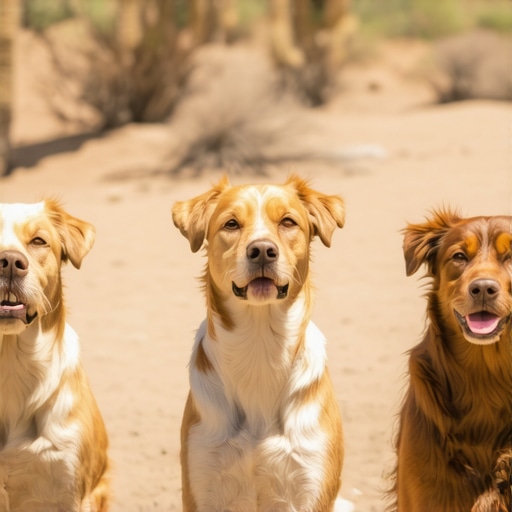
The Truth About Keeping Diabetic Alert Dogs Effective in Arizona’s Heat
Arizona’s scorching summers can push the limits of any outdoor activity, especially for diabetic alert dogs that rely heavily on their sense of smell. As temperatures soar past 110 degrees, pet owners face unique challenges in ensuring their service dogs perform optimally without risking heat-related issues. Understanding these hurdles is the first step in adopting effective scent hacks to keep your alert dog sharp and safe.
What Makes Arizona’s Climate Tough for Diabetic Alert Dogs?
High temperatures reduce a dog’s ability to detect scents accurately. The intense heat can cause dogs to pause or become less responsive, jeopardizing their vital role in monitoring blood sugar levels. Moreover, Arizona’s dry air and ultraviolet radiation can further strain a dog’s senses and health, emphasizing the need for specialized training and scent strategies tailored to these conditions.
How Do Scent-Based Hacks Help in Extreme Heat?
Scent hacks serve as innovative solutions that harness a dog’s natural olfactory skills while compensating for environmental challenges. Techniques such as scent imprinting with specific fragrances or utilizing scent reinforcement tools allow your dog to maintain accurate detection despite oppressive heat. These methods also help prevent scent fatigue, which is common during prolonged exposure to hot conditions.
Why Is It Important to Adapt Your Scent Strategies?
Adapting scent strategies isn’t just about improving detection; it’s about safeguarding your dog’s health and ensuring uninterrupted support. Proper scent hacks can improve your dog’s confidence and responsiveness, reducing the risk of missed alerts when it’s most critical. It’s essential to consult with a professional trainer who understands Arizona’s unique climate to develop a personalized scent protocol.
For a deeper understanding of Arizona’s climate zones and how they impact service animals, visit this detailed guide on Arizona weather patterns.
Enhancing Scent Detection for Dogs in Arizona’s Intense Climate
Implementing scent strategies that stand resilient against Arizona’s scorching summer temperatures requires innovative approaches. One effective method is scent imprinting with cooling agents like menthol or eucalyptus, which can serve as olfactory anchors during humid or hot conditions. These scents can be incorporated into training routines, helping dogs associate certain fragrances with alert cues, thereby maintaining their accuracy even when environmental factors fluctuate.
Training Techniques for Hot Conditions
Adapting training protocols is crucial. Gradually exposing dogs to high-temperature environments while reinforcing scent cues helps build resilience. Using portable cooling mats or vests during outdoor activities can keep your dog comfortable, enabling them to focus on scent detection without the distraction of heat stress. Arizona’s heat effects on animals highlight the importance of acclimatization and proper hydration in training routines.
Utilizing local training centers like Arizona Dog & Animal Medical Services can offer tailored sessions that address the nuances of desert climates, ensuring your dog develops robust scent detection skills resilient to Arizona’s environment.
Nutrition and Hydration as a Scent Support
Optimal hydration plays a vital role in a dog’s olfactory performance. Incorporating water-rich foods and ensuring constant access to fresh water helps sustain scent detection capabilities during prolonged outdoor exposure. Nutritional supplements containing omega-3 fatty acids can also support cognitive functions, including scent processing, particularly in stressful or hot conditions.
Monitoring and Adjusting Scent Protocols
Consistent evaluation of your dog’s response during different times of the day and varying weather conditions is essential. Keeping a training journal can help identify patterns and refine scent reinforcement methods. Collaborating with professional trainers familiar with Arizona’s climate ensures that scent strategies evolve alongside environmental changes, strengthening your dog’s reliability year-round.
Refining Scent Imprint Techniques in Hot Climates
One advanced method involves scent imprinting with cooling agents like menthol or eucalyptus oils, which can serve as olfactory anchors during hot or humid conditions. To effectively incorporate these, trainers apply diluted fragrances to a specific item or surface, encouraging the dog to associate the scent with alert cues. Consistent reinforcement during training sessions helps solidify this association, ensuring the dog’s scent detection remains accurate even under environmental stress.
Understanding Scent Memory Retention
Dogs have remarkable olfactory memory, but extreme heat can impair scent retention and recognition. Implement regular refresher sessions that revisit scent cues in varying conditions, particularly during the hottest parts of the day. Use high-value rewards to motivate engagement, which reinforces scent memory and enhances reliability.
Advanced Environmental Conditioning
Environmental conditioning involves gradually exposing your dog to challenging Arizona climates to build adaptability. This includes training outdoors during peak heat hours, starting with short sessions and increasing duration as your dog acclimates. Incorporate natural features, such as rocky terrains or desert flora, into training routes to enhance environmental familiarity and scent discrimination within diverse substrates.
Layered Scent Detection Drills
Implement multi-layered drills that challenge your dog to identify specific scents amidst environmental distractions. For example, hide scent samples at different depths or beneath various surfaces, prompting the dog to navigate complex terrains. These exercises boost resilience and precision, ensuring your dog can perform reliably in real-world desert conditions.
Overcoming Common Misconceptions with Scientific Insights
- Misconception: Heat always impairs scent detection significantly.
- Reality: While extreme temperatures can pose challenges, scientifically designed scent protocols and environmental conditioning can mitigate these effects effectively.
- Misconception: Scent training is only about smell.
- Reality: Advanced scent training encompasses multisensory engagement, cognitive strengthening, and environmental adaptation, making detection more robust.
Implementing these Techniques for Long-Term Success
To ensure longevity of scent efficacy, schedule periodic assessments and refresh training protocols aligned with seasonal changes. Collaborate with専門 trainers who understand Arizona’s unique environment, utilizing diagnostic tools such as scent detection tests to measure progress. This iterative approach guarantees your diabetic alert dog maintains peak performance, regardless of outdoor challenges.
Innovative Cooling Scent Imprint Strategies
Implementing scent imprinting with cooling agents like menthol or eucalyptus enhances your dog’s olfactory anchors during Arizona’s sweltering days. Applying diluted fragrances to specific items trains your dog to associate these scents with alert signals, boosting reliability amidst environmental stressors. This technique taps into canine scent memory, optimizing detection accuracy during peak heat hours.
How Does Scent Memory Assist in Hot Climates?
Dogs’ remarkable olfactory memory helps them retain scent cues despite temperature fluctuations. Reinforcing scent associations through repeated exposure in hot conditions ensures mental stability and detection consistency. Regular refresher sessions embedded with cooling scent anchors enhance resilience against thermal challenges, maintaining high performance levels.
Balancing Nutrition with Environmental Stress
Providing water-rich foods and hydration strategies supports the olfactory system’s function during extreme heat. Incorporating omega-3 fatty acids promotes cognitive health, improving scent discrimination and environmental adaptability. On hot days, portable water dishes and electrolyte supplements keep your alert dog energized and focused, preventing scent fatigue and overheating.
Why Is Hydration Crucial for Scent Detection?
Proper hydration maintains mucous membrane health, ensuring nasal tissues effectively process scents. Dehydration can diminish a dog’s olfactory acuity, risking missed alerts. Consistent access to fresh water and water-rich treats are essential in Arizona’s dry environment to sustain peak scent detection capabilities.
Environmental Conditioning and Terrain Familiarization
Gradually exposing your dog to natural desert terrains during training develops environmental adaptability. Navigating rocky or sandy substrates enhances scent discrimination amid substrate variations. This layered exposure increases resilience against environmental distractions, ensuring your dog can perform reliably outdoors in diverse Arizona landscapes.
What Are the Benefits of Terrain-Specific Conditioning?
Terrain-specific training sharpens scent detection across different surfaces and environmental conditions. It cultivates confidence and reduces distraction-related errors, crucial for real-world service scenarios. Familiarity with desert features like cacti or loose gravel improves your dog’s environmental awareness and operational effectiveness.
Futuristic Training Technologies and Environmental Monitoring
Emerging tech like scent detection sensors and environmental monitoring devices can personalize training protocols. Wearable sensors track your dog’s physiological responses, guiding adjustments to training intensity during extreme heat. Integrating data-driven feedback ensures your dog’s scent detection stays precise and adapts to Arizona’s varying climate patterns.
Will Technology Replace Traditional Scent Training?
While technology offers valuable insights, human-led scent training remains vital. Tech tools supplement traditional methods by providing objective performance metrics and environmental data, allowing trainers to optimize strategies tailored to desert conditions for long-term success.
Frequently Asked Questions
- Q: How can I ensure my diabetic alert dog remains effective during the hottest months in Arizona?
A: Implement specialized scent imprinting techniques using cooling agents, ensure proper hydration and nutrition, and gradually acclimate your dog to high temperatures through environmental conditioning. Consulting with professional trainers familiar with desert climates can also make a significant difference. - Q: Are there specific training methods recommended for desert environments?
A: Yes, incorporate terrain-specific scent drills, use natural desert features for training, and employ layered scent detection exercises amid environmental distractions to build resilience and adaptability. - Q: What role does nutrition play in scent detection during extreme heat?
A: Proper hydration and a diet rich in water content and omega-3 fatty acids support olfactory health, helping your dog maintain alertness and scent accuracy in hot conditions. - Q: Can technology aid in training my dog for these challenging climates?
A: Emerging tools like wearable sensors and environmental monitors can provide valuable feedback, allowing tailored adjustments to training protocols to improve resilience and performance.
The Bottom Line
Successfully maintaining your diabetic alert dog’s effectiveness in Arizona’s scorching climate depends on innovative scent strategies, environmental conditioning, and comprehensive care. Tailoring these approaches to your dog’s needs not only enhances detection accuracy but also safeguards their health amidst challenging conditions. Staying proactive and consulting trained professionals ensures your service dog continues to perform reliably, providing vital support when it matters most.
Take Action
Share your experiences or ask questions about scent strategies in extreme heat—your insights can help other pet owners facing similar challenges. Stay informed, stay prepared, and ensure your faithful companion remains your best ally in Arizona’s intense environment.
I recently started training my diabetic alert dog in a similarly hot climate, and I found that incorporating cooling scented materials during training really made a difference. I was surprised at how quickly my dog responded to menthol-scented cues after a few sessions. Adapting the training to include these scent anchors helped maintain high alertness even during peak temperatures. Has anyone else experimented with different scent imprints like eucalyptus or mint, and if so, what was your experience? I’m curious about the best practical approaches for ensuring scent retention in prolonged hot days. Also, I wonder if combining hydration strategies with scent imprinting can further enhance overall detection reliability? My biggest challenge has been ensuring that scent cues aren’t lost after repeated exposure to heat—any tips on that? Would love to hear how others are tackling these challenges.