
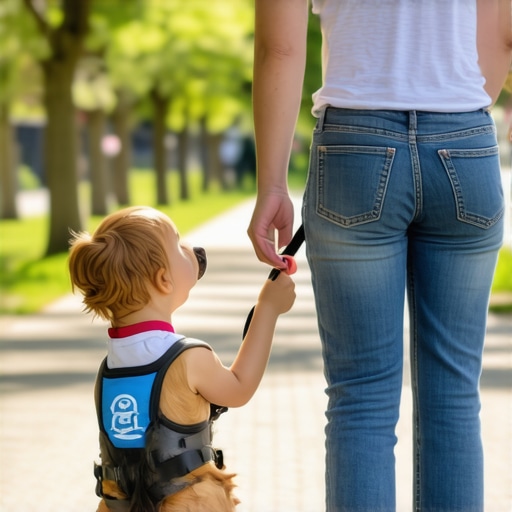
The Essential Role of Tether Training for Autism Service Dogs in Arizona
Understanding Autism Service Dogs
Autism service dogs play a vital role in enhancing the independence and safety of individuals with autism spectrum disorder (ASD). These specially trained animals assist their handlers by providing calming support, alerting to specific behaviors, and even preventing wandering incidents that can be life-threatening.
The Purpose and Benefits of Tether Training
Tether training involves teaching dogs to remain attached to their handler securely and calmly, ensuring safety during public outings or unpredictable situations. In Arizona, where outdoor environments like parks and busy streets are common, tether training allows handlers to maintain control while offering dogs a clear and predictable boundary. This practice reduces the risk of accidental escapes and helps dogs understand appropriate areas for movement and rest.
Why Is Tether Training Becoming More Critical in 2026?
With the evolving landscape of autism support in Arizona, tether training is gaining importance. As awareness of ASD grows, more service dogs are aiding individuals across diverse settings. Proper tether training ensures these dogs can be trusted to act responsibly in various scenarios, fostering trust with the community and supporting the safety of their handlers.
Furthermore, regulatory standards now emphasize the importance of consistent training methods. Organizations that specialize in service dog training are adopting tether techniques rooted in reliability and safety, aligning with recent guidelines. This shift emphasizes that tether training isn’t merely a safety measure but a crucial aspect of effective, responsible service dog aid in 2026.
Enhancing Safety and Trust: Advanced Tether Training Strategies for Arizona’s Autism Service Dogs in 2026
Case Studies: Successful Implementation of Tether Training
In Arizona, several organizations showcase the profound impact of proficient tether training. For instance, Mesa-based Arizona Service Dog Alliance has documented multiple success stories where handlers reported increased confidence during public outings, thanks to meticulous tether training programs. These real-world examples underline the importance of consistency and patience in training regimens, demonstrating tangible safety benefits for families and individuals relying on these remarkable animals.
Pro Tips for Effective Tether Training
- Gradual Introduction: Start with short sessions, allowing the dog to become accustomed to the tether without feeling restrained. Gradually increase duration as the dog becomes more comfortable.
- Positive Reinforcement: Use treats and praise to reward calm behavior while tethered. This encourages obedience and creates positive associations with tethering.
- Real-World Practice: Incorporate training in diverse environments — busy streets, parks, and indoor settings — to prepare the dog for various scenarios in Arizona’s outdoor lifestyle.
- Consistent Commands: Develop clear cues for tethering and untethering, ensuring the dog understands these commands across different contexts, reducing confusion and stress.
The Role of Professional Trainers
While at-home training is vital, engaging with professional trainers ensures adherence to best practices. Experienced trainers can customize programs suited to individual dogs and handlers, addressing specific behavioral challenges and ensuring the tethering process aligns with safety standards.
For example, trusted organizations like Robinson Dog Training in Mesa offer specialized classes focused on service dog tethering techniques, utilizing up-to-date training protocols compliant with Arizona’s evolving regulations. Their expertise provides handlers with the skills necessary to maintain consistent, safe practices that foster trust and reliability.
Refining Tether Training: Addressing Common Misconceptions
Misconception 1: Tethering Restricts Natural Behavior
Many handlers believe tethering limits a dog’s freedom, causing stress or behavioral issues. In reality, when done correctly, tethering provides structure and safety, allowing dogs to learn boundaries without feeling restricted. Proper training ensures that tethered dogs remain calm and comfortable, fostering trust and understanding.
Misconception 2: Tether Training Is Only for Public Safety
While safety is a primary goal, tether training also enhances a dog’s confidence and handler cooperation. It teaches dogs patience, impulse control, and responsiveness, which are essential for effective assistance in daily routines and complex environments.
Advanced How-To Steps for Effective Tether Training
- Establish Clear Communication: Use consistent commands like “Tether,” “Relax,” and “Stay” to signal tethering and appropriate behavior. Clear cues reduce confusion and build reliability.
- Implement Controlled Exposure: Practice tethering in various environments with differing distractions. Start indoors, then progress to busy parks or streets, ensuring the dog remains calm and attentive.
- Use Gradual Duration Increase: Begin with short tethered sessions, rewarding calmness, then gradually extend the duration to build endurance and comfort.
- Incorporate Distraction Training: Introduce controlled distractions during tethered sessions, like sounds or other animals, to teach the dog to maintain focus amidst environmental stimuli.
- Monitor Body Language: Watch for signs of stress or discomfort, such as panting or shifting, and adjust training accordingly to prevent negative associations.
How to Troubleshoot Common Challenges
- Dog Pulls or Struggles: Reinforce commands and reward relaxed behavior, ensuring the dog understands tethering is safe and expected.
- Dog Starts to Whine or Bark: Increase positive reinforcement for calmness, and avoid scolding, which can exacerbate anxiety.
- Dog Shows Disinterest or Detachment: Make sessions engaging with treats and praise, associating tethering with positive experiences.
Leveraging Professional Expertise and Resources
Consulting with experienced trainers, such as those at Robinson Dog Training, can accelerate progress and ensure adherence to best practices. They can provide customized programs addressing specific behavioral issues and environment-specific challenges encountered in Arizona. Investing in professional guidance enhances the dog’s learning curve and builds handler confidence, ultimately leading to more reliable and safe tether training outcomes.
Emerging Technologies and Innovations in Tether Training
As we look toward 2026, technological advancements are beginning to transform tether training practices. Wearable devices equipped with GPS and real-time feedback systems enable trainers and handlers to monitor dog behavior and location during tethered sessions, ensuring safety and enhancing training precision. Smart collars can provide data on the dog’s stress levels and activity patterns, offering valuable insights to tailor training programs effectively.
The Rise of Virtual and Augmented Reality in Training Protocols
Virtual and augmented reality tools are increasingly used for simulating various environments, allowing handlers and trainers to practice tethering in realistic yet controlled settings. This innovation is particularly beneficial in Arizona’s diverse outdoor landscapes, where exposure to different stimuli and distractions can be simulated virtually, preparing dogs for real-world scenarios without the risks associated with outdoor training in unpredictable environments.
Focus on Behavioral Research and Customized Tether Strategies
Ongoing behavioral research is highlighting the importance of personalized tether training plans that consider individual dogs’ temperaments and responses. In 2026, data-driven approaches will enable trainers to develop customized protocols that optimize comfort, cooperation, and safety, fostering stronger bonds between service dogs and their handlers. This tailored approach is essential for addressing unique challenges faced by individuals with ASD in Arizona’s unique settings.
Community Engagement and Public Awareness Initiatives
Increased community awareness campaigns are promoting understanding and acceptance of autism service dogs, emphasizing the importance of proper tether training for responsible dog-handler relationships. Workshops, demonstrations, and public training sessions are expected to become more prevalent, fostering a culture of shared responsibility and safety. These initiatives will support the integration of service dogs into everyday life, ensuring their role as trusted companions in Arizona’s vibrant communities.
Regulatory Enhancements and Standards
By 2026, regulatory standards governing service dog training, including tethering practices, are anticipated to become more comprehensive and enforceable. Certification programs incorporating technology-backed training data and performance metrics are likely to emerge, ensuring consistency and accountability across training providers. These standards will help maintain public trust and safeguard the well-being of both dogs and handlers in Arizona.
Frequently Asked Questions
Why is tether training essential for autism service dogs?
Tether training ensures that service dogs remain safely attached to their handlers, especially in unpredictable environments, reducing the risk of escapes and enhancing trust between dog and handler.
How can I start effective tether training with my dog?
Begin with short sessions using positive reinforcement, practice in various environments, and work with professional trainers to develop consistent commands and routines tailored to your dog’s needs.
What advancements are shaping the future of tether training?
Emerging technologies like GPS-enabled wearables and virtual reality simulations are making tether training more precise, personalized, and adaptable to diverse settings in Arizona.
Are there common misconceptions about tether training?
Yes, many believe tethering restricts natural behavior or is only for safety, but when done correctly, it fosters obedience, confidence, and safety, strengthening the dog’s ability to support their handler effectively.
How do professional trainers contribute to successful tether training?
Expert trainers provide customized strategies, ensure adherence to safety standards, and incorporate the latest techniques and technology, accelerating progress and building handler confidence.
The Bottom Line
Mastering tether training is a pivotal step in cultivating dependable, safe, and confident service dogs for individuals with autism in Arizona. It combines proven methods, innovative technologies, and professional expertise to create a foundation of trust and security that benefits handlers and communities alike.
Share Your Experience
Have you implemented tether training techniques? Share your insights or ask questions below—your journey can inspire others and advance best practices for autism service dogs in Arizona.
This post really highlights the crucial role tether training plays in ensuring the safety and confidence of both autism service dogs and their handlers, especially in busy environments like those in Arizona. I’ve personally seen how gradual introduction and positive reinforcement can make a big difference in a dog’s adaptation to tethering, which underscores the importance of patience and consistency.
One challenge I wonder about is how handlers can best recognize signs of stress or discomfort in their dogs during tether training, especially in high-distraction settings. Are there specific cues or body language indicators that trainers recommend paying close attention to?
Also, I’m curious how emerging technologies, like smart collars with stress sensors, might further improve our ability to tailor training approaches in real time. Has anyone experimented with these tools yet? It seems like a promising development for making tether training safer and more effective for our four-legged helpers.