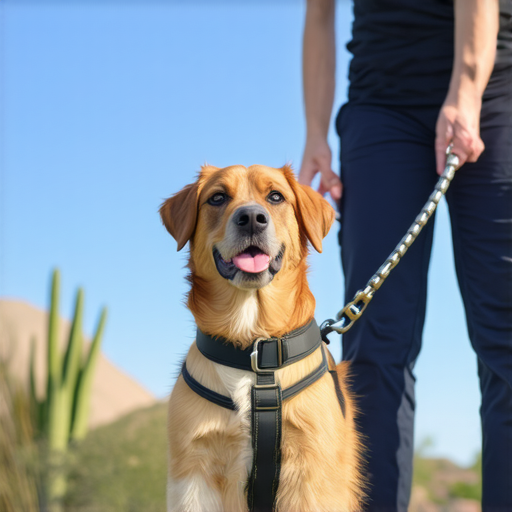
![3 Panic-Fix Drills for Psychiatric Service Dog Training AZ [2026]](https://servicedogtrainingaz.com/wp-content/uploads/2026/02/3-Panic-Fix-Drills-for-Psychiatric-Service-Dog-Training-AZ-2026.jpeg)
The Essential Guide to Crisis Management in Psychiatric Service Dog Training
Understanding the Critical Role of Panic-Fix Drills
In the world of psychiatric service dog training, preparing for unpredictable situations can mean the difference between a successful partnership and a safety risk. Panic episodes pose a significant challenge, both for the handler and the dog. Developing effective panic-fix drills ensures that the dog can respond swiftly and appropriately when crises occur, providing vital support to individuals with mental health conditions.
Core Concepts Behind Panic-Fix Training
At its core, panic-fix training involves teaching the service dog specific behaviors that can interrupt or mitigate a panic attack. These drills focus on reinforcing commands like ‘focus’ or ‘touch’ that redirect attention back to the handler, stabilizing the situation. Consistent practice under controlled conditions builds the dog’s confidence and reliability, which is essential in real-world scenarios.
Why Practice Panic-Fix Drills in Arizona?
Arizona presents unique conditions for service dog training—warm weather, varying terrain, and the need for emergency preparedness. Local training programs, such as Robinson Dog Training, tailor drills to these specific environments. Familiarity with regional challenges ensures that the service dog responds effectively during a panic episode, whether in a crowded park or a remote trail.
How Do Panic-Fix Drills Translate to Real-Life Safety?
Each drill is designed to simulate situations that a handler might face in daily life. By repeatedly practicing these scenarios, the dog learns to distinguish between normal commands and emergency responses. The goal is to create a reliable, instinctive reaction that can help des escalate the panic and keep the handler safe.
Enhanced Techniques for Panic-Fix Drills in Psychiatric Service Dog Training
Incorporating Real-World Scenarios into Training
To maximize the effectiveness of panic-fix drills, trainers are increasingly integrating real-world scenarios that handlers might encounter daily. For instance, simulating crowded environments or high-stress public settings helps the dog associate certain commands with specific contexts, ensuring a more instinctive response when actual panic episodes occur. Trainers often use role-playing exercises that mimic these environments, which enhances the dog’s adaptability and the handler’s confidence.
Utilizing Distraction Techniques to Reinforce Focus Commands
Introducing distractions during panic-fix drills can significantly improve a dog’s ability to maintain focus. Techniques such as sudden noises, visual stimuli, or introducing other animals can challenge the dog’s attention control. These distractions condition the dog to prioritize commands like ‘touch’ or ‘focus’ despite external stimuli, which is crucial during unpredictable real-life situations. An example of this practice can be found through local training resources, like the Arizona Dog Training Experts, who emphasize distraction training in their curriculum.
Specific Case Study: The Role of Terrain Variations
Adapting panic-fix drills across different terrains—from urban parks to remote trails—enhances a service dog’s versatility. For example, in a case study conducted in Scottsdale, handlers observed that dogs trained on uneven surfaces responded more reliably in outdoor settings. Incorporating hills, gravel, and sand into training sessions prepares the dog for environments they are likely to face, reducing response time during actual emergencies. This approach emphasizes the importance of terrain-specific practice, especially in regions with diverse landscapes like Arizona.
Pro Tips for Trainers: Maintaining Consistency and Confidence
Consistency is key in panic-fix training. Trainers recommend establishing a routine where commands are reinforced daily, gradually increasing scenario complexity. Positive reinforcement, such as treats or praise, encourages the dog to respond confidently in high-pressure situations. Additionally, scheduling mock drills regularly helps maintain the dog’s readiness, ensuring that responses become second nature. Trainers should also monitor the handler’s cues, as calm and assertive behavior from the handler can significantly influence the dog’s performance during stressful events.
Leveraging Local Resources for Enhanced Training
In Arizona, numerous outdoor spaces lend themselves well to specialized panic-fix drills. For example, the desert trails near the Superstition Mountains offer varied terrain that challenges the dog’s stability and focus. Pairing these environments with local expert trainers, such as those found through the Arizona K9 Training network, provides tailored programs that simulate real-life stressors, ensuring the dog’s skills translate effectively outside of controlled settings.
Refining Panic-Fix Techniques with Sensory Diversification
Applying Multisensory Distraction Methods
To elevate panic-fix training, incorporate multisensory stimuli that mimic real-life chaos. Use sudden loud noises, flashing lights, or tactile distractions like shaking the leash, which challenge the dog’s focus and response integration. These methods simulate high-stress environments, conditioning the dog to maintain composure and execute commands despite overwhelming stimuli. Local training centers, such as Arizona K9 Training, emphasize multisensory exposure to foster resilience.
Implementing Time-Delayed Response Exercises
Introduce deliberate response delays during drills, where commands are given with increased latency. This practice trains the dog to respond accurately even when cues are not immediately followed by action, reflecting real-world unpredictability. Trainers can progressively extend delays, ensuring the dog remains attentive and responsive under varying circumstances, which is crucial during unpredictable panic episodes.
Optimizing Terrain and Environment Variability
Creating Terrain-Specific Response Drills
Design drills tailored to diverse terrains—urban sidewalks, sandy beaches, rocky trails—enhancing the dog’s adaptability. For instance, practicing focus commands on uneven surfaces improves stability, while noise-rich environments train responsiveness amid chaos. Incorporate local natural features like the desert landscapes near Scottsdale to prepare the dog for regional conditions, ensuring reliable performance across environments.
Use of Virtual Reality for Scenario Simulation
Emerging technologies, such as Virtual Reality (VR), allow trainers to simulate complex scenarios without physical risks. VR environments can replicate crowded streets, emergency situations, or specific phobias, providing controlled yet immersive experiences. While still gaining popularity, integrating VR into training offers a cutting-edge avenue to refine panic response mechanisms. For example, trainers might simulate a crowded marketplace to test and reinforce focus and composure.
Professional Development and Knowledge Resources
- Attending Advanced Workshops: Participating in specialized seminars on crisis management and behavior modification enhances trainer expertise.
- Consulting House-Level Behavioral Experts: Collaborate with canine behaviorists who specialize in trauma and stress responses to develop bespoke training modules.
Emerging Technologies Shaping Crisis Response Strategies
Integration of Virtual Reality for Scenario-Based Training
Virtual Reality (VR) is revolutionizing how trainers simulate real-world crises for service dogs. Immersive VR environments enable handlers to expose their dogs to diverse scenarios such as crowded places or noisy settings without logistical or safety concerns. This technology enhances a dog’s responsiveness and confidence, making panic-fix drills more effective and adaptable to ever-changing environments. Although still emerging, VR training holds great promise for developing highly resilient service dogs capable of handling unpredictable crises.
Smart Wearables and Environmental Sensors
Wearable technology and environmental sensors are increasingly utilized to monitor a handler’s physiological signs, such as heart rate variability or stress indicators. These devices can cue the service dog during early signs of a panic attack, prompting preemptive behaviors or responses. Such real-time feedback creates a dynamic training system where both handler and dog learn to recognize and manage crisis triggers collaboratively, bolstering trust and safety.
Advances in Behavior Modification and Conditioning
Use of Positive Reinforcement Reintegration Techniques
Recent innovations emphasize the importance of positive reinforcement to reinforce calm behavior during crises. Techniques such as ‘clicker training’ or scent-based rewards can accelerate learning and strengthen the dog’s association between calm responses and positive outcomes. Incorporating these methods into panic-fix drills ensures that dogs respond reliably, even amidst high-stress situations, reinforcing their role as trustworthy mental health allies.
Customizable Behavior Algorithms and Machine Learning
Data-driven algorithms combined with machine learning allow trainers to tailor responses to individual dogs’ temperaments and handler needs. By analyzing behaviors over time, trainers can refine training protocols and develop personalized response patterns, leading to more effective crisis mitigation. This customization makes service dogs more adaptable and increases their reliability in complex, unpredictable environments.
The Future of Crisis Management Training in Regional Contexts
Regional Adaptation and Climate-Responsive Programs
Addressing regional factors—such as Arizona’s extreme temperatures and diverse terrain—is crucial for effective crisis management. Future training programs will incorporate climate-resilient techniques, including hydration strategies and terrain-specific drills, to prepare dogs for environmental stresses that could impair their performance during crises. Local training providers are increasingly customizing programs to regional challenges, ensuring service dogs are optimally prepared for their specific communities.
Collaborative Community-Based Crisis Response Initiatives
Building community networks involving trainers, healthcare providers, and emergency services will enhance crisis preparedness. These collaborative efforts can develop standardized response protocols and host joint training exercises, resulting in a coordinated safety net for individuals reliant on psychiatric service dogs. Leveraging regional resources and fostering community awareness will strengthen crisis response outcomes and foster greater public understanding of service dog roles.
Frequently Asked Questions
How can I adapt panic-fix drills to different environments?
Effective adaptation involves customizing training scenarios to replicate various settings your dog may encounter, such as crowded places, outdoor terrains, or quiet indoor spaces. Incorporate region-specific challenges and gradually introduce environmental distractions to enhance your dog’s responsiveness across contexts.
What are the latest technological tools to improve crisis response training?
Emerging tools include Virtual Reality simulations that expose dogs to diverse scenarios safely, and wearable sensors that monitor handler stress levels to develop synchronized response strategies. These technologies make training more immersive and data-driven, boosting your dog’s reliability in real crises.
How important is consistency in panic-fix drills?
Consistency is paramount. Regular, routine practice reinforces learned behaviors, builds confidence, and ensures that your dog responds instinctively during actual emergencies. Establish a training schedule that gradually increases complexity for optimal results.
Can multisensory distractions help in real-world panic situations?
Absolutely. Incorporating multisensory distractions—such as loud noises, visual stimuli, and tactile challenges—during training prepares your dog to maintain focus and execute commands amidst chaos, which is vital during unpredictable panic episodes.
Where can I find local resources or trainers specializing in crisis management for service dogs in Arizona?
Regions like Scottsdale and Mesa host experienced trainers, such as Robinson Dog Training and Arizona K9 Training. These professionals tailor programs to regional environments, incorporating terrain-specific drills and advanced techniques.
The Bottom Line
Mastering crisis management through tailored panic-fix drills significantly enhances the safety and independence of individuals relying on psychiatric service dogs. Embracing innovative training methods, regional adaptations, and emerging technologies ensures these invaluable partnerships remain resilient in the face of unpredictability. Continuous learning and customization are key to unlocking a dog’s full potential in crisis scenarios.
Take Action Today
Share your experiences, ask questions, or connect with expert trainers to further refine your crisis response strategies. Together, we can enhance the safety and confidence of those who depend on these remarkable service dogs by staying informed and proactive.
This post highlights such crucial aspects of panic-fix training that often get overlooked. I really appreciate the emphasis on incorporating real-world scenarios and multisensory distractions—those techniques have truly made a difference in my training sessions. Especially here in Arizona, where the terrain varies so much, training on different surfaces like gravel or sand has helped my service dog respond more reliably in outdoor settings. I wonder how VR and other emerging tech could further personalize and accelerate this training process, particularly for handlers in remote areas without access to specialized facilities. Have others experimented with virtual simulations or sensory-focused drills at home, and what results have you seen? It’s fascinating to think about how continuous innovation can enhance these already effective techniques, making our dogs even better prepared for unpredictable situations.