
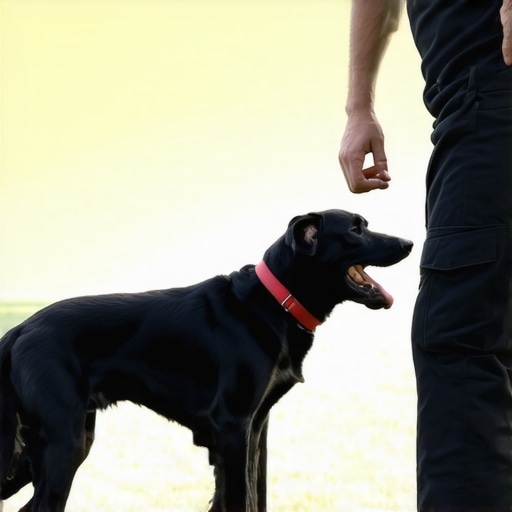
The Essential Guide to Panic-Stop Drills for Psychiatric Service Dogs in Arizona
Every year, more individuals in Arizona turn to psychiatric service dogs to manage mental health challenges. With the increasing demand for efficient training methods, panic-stop drills have emerged as a vital component. These drills help dogs respond swiftly during anxiety or panic attacks, providing invaluable support to their handlers.
The Basics of Psychiatric Service Dog Training
Training a psychiatric service dog isn’t just about obedience; it hinges on specialized skills that address emotional crises. Trainers focus on enhancing the dog’s ability to recognize signs of panic and intervene effectively. Techniques involve encouraging calm behaviors, developing alertness to emotional cues, and executing specific commands designed for crisis situations.
Understanding Panic-Stop Drills
Panic-stop drills are structured exercises where dogs learn to interrupt their handler’s or other’s panic episodes. These drills simulate real-life scenarios, enabling dogs to respond promptly. They teach dogs to press a button, nudge, or position themselves to help de-escalate stressful situations. Implementing these drills consistently builds reliability, ensuring the dog’s response is instinctive during an emergency.
Why Are These Drills Critical in Arizona’s Training Landscape?
Arizona’s unique climate and diverse urban landscapes demand tailored approaches. Panic-stop drills not only reinforce obedience but also deepen the emotional bond between handler and dog. Moreover, tailored drills accommodate regional sensitivities and specific handler needs, making them an indispensable part of comprehensive training programs.
Applying Real-World Scenarios in Panic-Stop Training
Incorporating real-world scenarios into panic-stop drills ensures that psychiatric service dogs are prepared for diverse environments. For instance, trainers often simulate situations such as crowded public spaces or noisy clinics, where a handler’s panic symptoms might intensify. Dogs are conditioned to recognize subtle signs and respond appropriately, such as nudging their handler or activating a previously trained alert device. These simulations enhance the dog’s resilience and responsiveness under varying conditions.
Case Study: Tailored Training for Climate Challenges
Arizona’s extreme heat and arid climate pose unique challenges for outdoor training sessions. Trainers like those at Robinson Dog Training have developed specific protocols to combat these conditions, such as early morning drills and hydration-focused routines. They also embed panic-stop commands into variable terrains to simulate urban settings, ensuring dogs can perform reliably despite environmental distractions. This approach not only refines the dog’s skills but also conserves handler safety and comfort.
Pro Tips for Handlers: Reinforcing Consistency
Handlers can play a pivotal role in the success of panic-stop drills by maintaining consistency. A recommended practice is to keep the training sessions brief and frequent, fostering a positive association with commands. Using treats or toys as rewards during drills reinforces desired behaviors. Additionally, handlers should observe their dogs for signs of fatigue or stress, adjusting training intensity accordingly. Remember, patience and positive reinforcement are keys to building a dependable response during emotional crises.
Regional Resources and Support Networks
Arizona offers a robust network of training providers and support groups dedicated to psychiatric service dog training. Local organizations can provide customized training programs that take regional factors into account. Participating in community workshops or joining handler support groups can also facilitate knowledge exchange and emotional support, ultimately contributing to more effective panic-stop drill implementation.
Refining Panic-Stop Protocols: Advanced Strategies for Trainers
To elevate panic-stop drills from basic exercises to reliably instinctive responses, trainers should incorporate variable scenario simulation. This involves escalating the complexity of environments progressively, introducing distractions such as noisy crowds, unfamiliar terrains, or unpredictable movements. Such training fosters resilience and adaptability, crucial for real-world unpredictability.
Use of Targeted Reinforcement Methods
- Spot rewards: Reward specific behaviors like nudge or press with high-value treats immediately to create strong associations.
- Shaping behaviors: Gradually reinforce incremental steps toward the desired response—first approaching, then pressing, then maintaining pressure.
Debunking Common Misconceptions About Panic-Stop Drills
Myth 1: Panic-stop responses are purely obedience. Reality: These responses are trained as emotional interventions, requiring nuanced understanding of handler cues.
Myth 2: More training always leads to better responses. Fact: Overtraining without variability can cause dogs to respond only in specific contexts, reducing effectiveness in diverse situations.
Myth 3: Panic-stop drills are the same across all regions. Truth: Environmental factors like climate, urban design, and cultural attitudes influence training adjustments. Tailoring protocols ensures reliability and safety.
Implementing AdvancedEmerging Technologies and Innovative Approaches in Panic-Stop Training
Recent advancements in canine training technology are revolutionizing how trainers approach panic-stop drills. Tools such as remote clicker systems, wearable sensors, and virtual reality simulations enable trainers to create more precise and adaptive training scenarios. For instance, wearable devices can monitor a dog’s physiological responses during training, providing data-driven insights to optimize protocols. Virtual reality environments simulate complex, unpredictable public spaces, preparing dogs for real-world unpredictability with greater confidence.
The Role of Teletraining and Digital Resources
In Arizona’s vast and sometimes remote regions, teletraining platforms have become invaluable. Trainers now offer virtual workshops and online courses, making expert instruction accessible regardless of geographic barriers. These platforms often include video tutorials, interactive feedback tools, and virtual coaching, ensuring consistency and quality in panic-stop drill implementation. Engaging with digital resources not only enhances training quality but also fosters community among handlers and trainers.
Future Trends: AI and Data-Driven Customization
Artificial Intelligence (AI) is poised to personalize training programs on a granular level. AI algorithms analyze data from training sessions to identify patterns and suggest tailored drills that address specific handler-dog dynamics or regional challenges. Customization ensures that each psychiatric service dog develops rapid, instinctive responses aligned with their handler’s unique needs and environmental context.
Incorporating Sensory Integration Techniques
Future protocols are also exploring multisensory training methods. These involve engaging multiple senses—sound, sight, touch—to improve a dog’s ability to respond under diverse stimuli. For instance, integrating vibrational cues with auditory commands can enhance response reliability in noisy environments or distracting settings common in urban Arizona neighborhoods. Sensory integration fosters resilience, ensuring dogs maintain focus during high-stress scenarios.
Community and Regulatory Support for Progressive Training
As the landscape of psychiatric service dog training evolves, collaboration with regional organizations and adherence to emerging standards will be crucial. Community support groups can facilitate knowledge sharing and emotional encouragement, while updated regulations ensure safe and ethical training practices. Arizona’s training community is actively participating in evolving certifications and standards, promoting best practices that incorporate the latest innovations for optimized panic-stop responses.
Why Integrate These Trends Now?
Integrating cutting-edge methods and emerging trends now enhances the efficacy and reliability of psychiatric service dogs. Regional climate challenges, urban complexity, and individual handler needs demand adaptable, innovative approaches. By embracing technology, data-driven customization, and multisensory techniques, trainers can produce highly resilient dogs capable of providing vital emotional support across Arizona’s diverse landscapes.
Frequently Asked Questions
How can I customize panic-stop training for my dog’s specific environment?
Tailoring training involves simulating real-world scenarios your dog will encounter, such as crowded areas or noisy settings, and gradually increasing complexity. Incorporate regional elements like Arizona’s climate and urban landscapes to ensure reliability in diverse circumstances.
What emerging technologies can enhance panic-stop drill effectiveness?
Innovations such as wearable sensors to monitor physiological responses, virtual reality for environment simulation, and AI-driven analysis for personalized training plans are transforming how trainers prepare psychiatric service dogs for real-life situations.
How important is handler consistency in maintaining panic-stop response reliability?
Consistency from handlers—through regular, positive reinforcement training and clear cues—is crucial. It reinforces the dog’s learned responses and builds confidence, ensuring swift action during emotional crises.
Can regional training networks support my dog’s development outside urban centers?
Absolutely. Arizona offers numerous support groups, workshops, and regional trainers who specialize in adapting protocols to local climate and environment, making high-quality training accessible regardless of location.
What are some misconceptions about panic-stop drills I should beware of?
Common myths include believing these responses are purely obedience, assuming more training always improves responses, or that protocols are uniform across regions. Understanding the emotional and environmental nuances is vital for effective training.
The Bottom Line
In the evolving landscape of psychiatric service dog training in Arizona, integrating advanced techniques, innovative technologies, and regional considerations creates a robust foundation for responsive, reliable panic-stop responses. These efforts not only enhance the dog’s performance but also significantly improve handler safety and quality of life. Staying informed and adaptable is key to harnessing the full potential of your service dog’s capabilities.
Take Action Today
Connect with local trainers, join support networks, and explore cutting-edge training tools to elevate your dog’s preparedness. Your proactive steps today will ensure your psychiatric service dog can provide vital assistance confidently and effectively in every situation.