
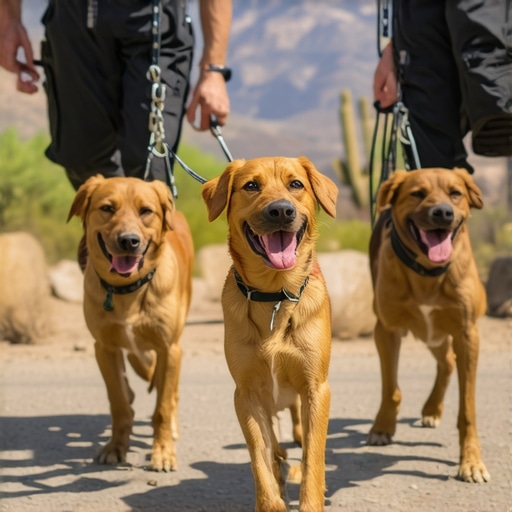
The Truth About Mobility Assistance Dogs and Fall Prevention in Arizona
Fall risks increase significantly for seniors and individuals with mobility challenges. As the population ages, proactive strategies become essential—especially in regions like Arizona, where outdoor activities and physical independence remain priorities. Among these strategies, mobility assistance dogs stand out for their proven ability to enhance safety and confidence.
Understanding Mobility Assistance Dogs
Mobility assistance dogs are specially trained canines that support their handlers in daily tasks, helping with balance, navigation, and stability. Unlike service dogs trained for medical alerts or emotional support, these dogs focus on physical mobility. They can act as lifelines, preventing falls by providing stability during walking, standing, or transitioning between positions.
Why Are Fall Prevention Drills Necessary?
Prevention drills are practical exercises that reinforce the handler’s response to balance challenges. These drills help handlers recognize hazards, improve coordination, and build confidence in their movements. For instance, Arizona-specific exercises may incorporate outdoor terrains or specific home layouts, tailoring prevention efforts to local environments.
How Can Arizona Residents Benefit from These Programs?
Arizona’s unique climate and landscape can pose fall risks that differ from other regions. High temperatures, uneven sidewalks, and outdoor trails demand specialized equipment and training. Combining mobility assistance dogs with targeted drills addresses these challenges directly, ensuring seniors and mobility-impaired individuals remain active and safe well into 2026 and beyond.
In addition to training routines, community involvement and environmental adaptations play critical roles in fall prevention. For example, Arizona communities have implemented dedicated outdoor walking trails equipped with even surfaces and shaded rest areas, which significantly reduce tripping hazards and heat-related stresses. Such enhancements encourage safer outdoor activities, promoting mobility and independence for seniors.
Case Studies Highlighting Success
Several programs in Arizona demonstrate the tangible benefits of integrating mobility assistance dogs with tailored prevention drills. One notable example involves a senior center in Tucson that partnered with local trainers to develop a comprehensive safety program. Participants reported increased confidence in navigating outdoor environments, as well as a reduction in fall incidents over a year-long period.
Pro Tips for Effective Fall Prevention Programs
- Customized Training: Work with certified trainers who understand local terrain challenges to develop exercises that mimic daily scenarios.
- Regular Assessments: Periodic evaluations of both handler and canine performance ensure skills stay sharp and address any new safety concerns.
- Home Environment Modifications: Installing grab bars, removing tripping hazards, and improving lighting create safer indoor spaces for mobility-impaired individuals.
Involving Caregivers and Support Networks
Engaging caregivers in fall prevention initiatives enhances the overall safety ecosystem. Caregivers can be trained alongside individuals to reinforce proper techniques and respond effectively during balance challenges. Moreover, support groups and community workshops foster shared learning, making preventive strategies more accessible and sustainable.
Understanding the synergy between trained mobility assistance dogs and proactive exercises creates a robust safety framework. Such integrative approaches are especially vital in Arizona’s diverse landscapes, from urban neighborhoods to rugged outdoor trails. Arizona initiatives continue to evolve, emphasizing safety, independence, and quality of life for the aging and mobility-challenged populations.
Enhancing Fall Prevention Protocols: Advanced Techniques and Common Misconceptions
While basic training lays the foundation, adopting advanced fall prevention methods involves leveraging technology and refining handler-dog dynamics. A critical misconception is that once trained, mobility assistance dogs no longer require ongoing reinforcement; in reality, continuous training and environmental adaptations are essential for sustained safety.
Utilizing Assistive Technologies
Integrate wearable devices, such as GPS trackers and balance sensors, to monitor handler stability in real-time. These tools can alert handlers or caregivers to risky movements or irregular gait patterns, enabling prompt corrective actions. For example, wearable sensors synced with smartphones can provide feedback during outdoor walks, ensuring handlers maintain safe distances from hazards.
Refining Handler-Dog Interaction
Advanced training emphasizes bond strengthening and nuanced communication, such as using specific cues for different commands or environmental cues. This improved synchronization enhances the dog’s responsiveness during unexpected situations, like uneven terrain or sudden obstacles. Such precision reduces the likelihood of falls during complex outdoor activities unique to Arizona’s diverse landscapes.
Common Misconceptions Addressed
- Myth: Mobility assistance dogs are only effective indoors.
Fact: They excel outdoors and on varied terrains when properly trained, especially in rugged Arizona environments. - Myth: Once trained, dogs don’t need retraining.
Fact: Regular refresher sessions and updates are vital to adapt to changing environments and handler needs.
Step-by-Step Guide to Advanced Implementation
- Assessment: Conduct comprehensive evaluations of handler mobility and dog responsiveness in different Arizona terrains.
- Technology Integration: Incorporate wearable sensors and mobile applications designed for fall risk monitoring.
- Environmental Modifications: Modify outdoor and indoor spaces with non-slip surfaces, adequate lighting, and shade structures for thermal comfort.
- Ongoing Training: Schedule periodic advanced drills with professional trainers familiar with local landscape challenges.
For location-specific training, consider partnering with established programs like Cornerstone to access customized modules that incorporate Arizona’s unique terrains and climate considerations. This tailored approach ensures handlers and their mobility assistance dogs are prepared for real-world challenges, minimizing fall risks and enhancing independence.
Innovative Wearable Technologies for Personalized Fall Risk Management
Emerging wearable devices are revolutionizing fall prevention by providing real-time data on balance, gait, and environmental hazards. Devices like smart insoles and body sensors can detect irregular movements and alert handlers or caregivers instantly, enabling prompt corrective actions and reducing fall incidents. In Arizona’s outdoor settings, such technology can be vital for monitoring transitions between indoor and rugged terrains, adapting preventive strategies accordingly.
The Rise of Smart Environments and Environmental Adaptations
Smart home systems equipped with sensors and automated lighting, along with outdoor modifications like textured walking paths and shaded resting spots, create safer environments tailored for mobility-impaired individuals. These adaptations, synergizing with mobility assistance dogs, significantly diminish fall risks by minimizing hazards and optimizing thermal comfort during Arizona’s hot seasons. Integrating these technologies supports continuous independence and outdoor activity participation.
Future Trends: AI and Machine Learning in Fall Prevention
Artificial intelligence and machine learning algorithms are increasingly being employed to analyze behavioral patterns and environmental data, predicting fall risks before they occur. These intelligent systems can customize training programs for handler-dog pairs, ensuring that interventions are tailored to changing needs or environmental conditions—especially crucial for navigating Arizona’s diverse landscapes. As these technologies evolve, they promise to further enhance safety, confidence, and mobility for the aging population.
Community Engagement and Collaborative Safety Networks
Building comprehensive safety networks involving trainers, healthcare providers, local governments, and community organizations fosters an ecosystem of fall prevention. Shared platforms can facilitate data collection and dissemination of best practices, including location-specific strategies suited for Arizona’s climate and terrain. Such collaboration amplifies the impact of mobility assistance programs and ensures they adapt to future challenges and opportunities.
Addressing Common Misconceptions about Technological Integration
- Myth: Assistive technology replaces the need for physical training.
Fact: Technology complements hands-on training, enhancing detection and response but cannot substitute the human and canine skills crucial for safety. - Myth: All technologies are suitable for outdoor use in Arizona.
Fact: Devices designed must withstand extreme temperatures and rugged environments; choosing durable and weather-resistant tools is essential for reliability.
Frequently Asked Questions
What makes mobility assistance dogs effective in fall prevention?
Mobility assistance dogs are trained to provide stability, support during walking, and detect hazards, significantly reducing fall risks for handlers with mobility challenges. Their ability to respond quickly and adapt to various terrains makes them invaluable in outdoor settings like Arizona.
How do fall prevention drills improve safety?
Regular exercises reinforce balance, coordination, and hazard recognition, empowering individuals to respond effectively to unpredictable situations, thereby minimizing fall incidents.
Can technology complement the training of assistance dogs?
Absolutely. Wearable sensors and real-time monitoring devices enhance safety by providing feedback and alerts, allowing handlers and caregivers to address risks proactively.
Why is environmental modification important in Arizona?
Arizona’s outdoor landscapes and climate pose unique fall risks. Modifying environments with non-slip surfaces, shaded walking paths, and proper lighting is crucial for safe mobility.
How can communities support fall prevention efforts?
Community programs that include training, environmental enhancements, and support networks foster safer spaces and promote active, independent lifestyles for seniors and mobility-challenged individuals.
The Bottom Line
Proactive fall prevention in Arizona requires a comprehensive approach—combining trained mobility assistance dogs, innovative technologies, environment modifications, and community engagement. This multi-layered strategy enhances independence, boosts confidence, and ultimately preserves quality of life amidst the state’s diverse terrains and climate challenges.
Take Action Today
Explore programs near you, involve caregivers, and share this information to promote safer outdoor and indoor mobility. Together, we can build a resilient, supportive environment that empowers every individual to move confidently and stay safe.
This post highlights some valuable insights about how integrating mobility assistance dogs with targeted fall prevention drills can significantly improve safety for at-risk populations in Arizona. As someone who has volunteered with local senior centers, I’ve seen firsthand how tailored environmental modifications, like shaded walking trails and non-slip surfaces, really encourage outdoor activity without the fear of falls. The idea of combining these physical adaptations with advanced technologies, like wearable sensors, is especially promising for creating a comprehensive safety network. I’m curious about how trainers are currently incorporating Arizona’s rugged terrains into their training routines, especially for outdoor excursions. Have any programs developed specific drills for uneven or hot surfaces to better prepare both handlers and their dogs? Sharing practical approaches could help increase adoption of these strategies in more communities. Overall, fostering collaboration between trainers, healthcare providers, and community organizations seems key to sustaining these efforts long-term.