
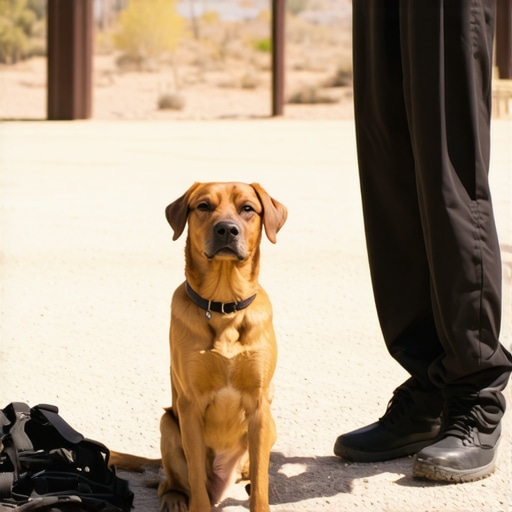
The Truth About Service Dog Training in Arizona
Every year, countless dog owners in Arizona face the challenge of managing their pets’ behavior in public settings. When it comes to service dogs, the stakes are even higher. A well-trained service dog can transform lives, providing independence and confidence to individuals with disabilities. However, many service dogs display unwanted barking, which can hinder their effectiveness and lead to unnecessary frustrations.
Understanding the Core of Service Dog Behavior
Service dogs are more than just pets—they are working animals trained to perform specific tasks. Still, behind the training lies a complex web of instincts and environmental factors. Excessive barking often results from anxiety, surprise stimuli, or inadequate training methods. Recognizing the root cause is essential for effective correction.
What Makes Arizona’s Service Dog Training Unique?
Arizona presents a distinct environment for training service dogs. The hot climate, outdoor activities, and social dynamics influence how dogs respond to stimuli. Local training programs adapt to these conditions, emphasizing behavior management in a region that values outdoor lifestyles and active routines.
Why Is Fixing Barking a Priority for 2026?
As service dogs become more prevalent, especially in Arizona’s vibrant communities, ensuring their behavior is reliable is critical. Inaccurate or inconsistent training can lead to public safety concerns and diminish trust in service animals. Addressing barking issues now lays the groundwork for better integration of service dogs into daily life and expands access for individuals who depend on them.
For a deeper dive into effective training practices, visit this resource on why dogs bark and how to prevent it.
Addressing Barking Through Environmental Management
One of the most effective ways to mitigate excessive barking is by controlling environmental triggers. For instance, introducing controlled exposure to common stimuli—like other dogs, crowds, or loud noises—can help service dogs become more resilient. A case study from Phoenix highlights how systematic desensitization reduced barking incidents among trained service dogs over a six-month period.
Implementing Progressive Desensitization
This involves gradually introducing the dog to stimuli at increasing intensities, paired with positive reinforcement when they remain calm. Veterinarians recommend starting with low-level triggers in a controlled setting before progressing to real-world scenarios. Over time, this technique diminishes the dog’s anxiety responses, leading to quieter behavior and improved focus during tasks.
The Role of Training Techniques in Managing Barking
Not all training methods are created equal. Positive reinforcement, used correctly, is proven to be more effective and humane than punishment-based approaches. For example, rewarding a dog for remaining quiet during a stressful situation encourages the desired response. Incorporating clicker training can enhance a dog’s understanding of what behavior is expected, especially in complex environments.
Pro Tips for Trainers and Owners
Consistent command usage, such as “Quiet” or “Enough,” paired with a treat or praise, strengthens communication. Trainers recommend practicing these commands during calm periods, then applying them in situations that typically provoke barking. Patience and consistency are key—training a service dog to eliminate unwanted barking can take several months but yields long-term benefits.
Local Climate and Its Impact on Behavior
Arizona’s climate plays a significant role in dog behavior. The intense heat can cause stress and irritability, leading to increased barking. To combat this, trainers advise scheduling outdoor activities during cooler parts of the day and providing ample shade and hydration. Regular mental stimulation, such as puzzle toys, also helps tire out energetic dogs, reducing anxiety-driven barking.
Utilizing Local Resources
For example, Robinson Dog Training offers specialized programs tailored to the Arizona environment. Visiting local facilities can provide insights into regional challenges and effective solutions. Incorporating Arizona-specific training methods ensures that service dogs are well-prepared for their unique surroundings.
Monitoring and Adjusting Training Plans
Tracking progress is crucial. Owners and trainers should keep detailed logs of barking incidents, settings, and responses to interventions. Adjustments—such as modifying commands or increasing desensitization exposure—are often necessary to achieve optimal behavior. Maintaining a consistent routine reinforces positive habits and increases the likelihood of success.
Implementing Advanced Counter-Conditioning Techniques
While desensitization reduces a dog’s reactivity, counter-conditioning actively rewires their emotional response to triggers. This technique pairs an initially aversive stimulus—like the sight of other dogs—with something positive, such as treats or praise, to foster a calm response. In Arizona, with frequent outdoor interactions, trainers often utilize this method to address barking caused by environmental surprises.
Key Steps for Effective Counter-Conditioning
- Identify specific stimuli that provoke barking—e.g., passing motorcycles, loud crowds.
- Present these stimuli at a low intensity in controlled settings.
- Immediately offer treats or engaging play when the dog remains calm.
- Gradually increase stimulus intensity over sessions, always rewarding composure.
Consistent application over weeks can transform reactivity into relaxation, greatly decreasing barking episodes during unpredictable outdoor encounters.
Addressing Common Misconceptions about Training
Many believe that punishment or suppression techniques are effective for reducing barking; however, these often lead to fear, anxiety, or decreased trust. Conversely, some owners might overuse commands without understanding reinforcement principles, causing confusion. Recognizing these misconceptions is crucial for effective, humane training.
Myth Busting
- Myth: Yelling or punishment stops barking permanently.
Fact: It may suppress noise temporarily but damages the dog-owner relationship and can increase reactivity. - Myth: Training takes only a few sessions.
Fact: Behavioral change, especially for environmental triggers, often requires ongoing, consistent practice over months.
Understanding these nuances ensures trainers and owners employ strategies that promote lasting improvements.
Utilizing Technology for Advanced Monitoring
Innovative tools can enhance training accuracy and responsiveness. Devices like noise-activated cameras or bark thermometers can monitor barking patterns and environmental contexts in real-time, providing valuable data. Some smart training collars integrate positive reinforcement alerts, automatically delivering treats when dogs remain quiet during triggers.
Recommended Technologies for Arizona Trainers
- Behavior tracking apps to log incidents and identify patterns.
- Remote training devices that deliver gentle stimuli paired with positive reinforcement cues.
Implementing these tools allows for more precise adjustments in training plans and faster progress toward quieter, more focused service dogs.
Emerging Technologies and Their Impact on Service Dog Training
As technology continues to evolve, innovative tools are revolutionizing how trainers monitor and modify service dog behavior in Arizona. Wearable devices equipped with GPS, accelerometers, and sound sensors enable real-time tracking of barking patterns and environmental responses. These advancements allow for more precise training adjustments and faster identification of triggers, making training more efficient and effective.
Smart Collars and Apps: The New Norm
Smart collars that integrate positive reinforcement cues—such as gentle vibrations or treats—when a dog remains calm can reinforce desired behaviors automatically. Coupled with smartphone apps, trainers and owners gain detailed insights into behavioral trends, enabling tailored training plans that address specific issues like excessive barking.
Future Trends: Personalized and Region-Specific Training Approaches
Looking ahead, service dog training in Arizona is poised to become increasingly personalized. AI-driven assessments can analyze a dog’s unique temperament and response patterns, customizing training protocols accordingly. Furthermore, programs will likely adapt to regional environmental variables, such as the scorching heat and outdoor lifestyle, incorporating region-specific desensitization techniques and training routines.
Climate-Resilient Training Methods
Innovations may include outdoor simulation environments designed to mimic Arizona’s conditions, helping dogs develop resilience to heat, dust, and local stimuli. Virtual reality scenarios might also be employed to expose dogs safely to challenging situations without exposure to real-world hazards.
Integrating Human and Canine Stress Management
As the bond between handlers and service dogs deepens, future training models will emphasize stress management techniques for both parties. Mindfulness and relaxation exercises could become part of routine training, reducing anxiety that can contribute to barking and reactivity.
Community and Support Networks
Online platforms and local support groups in Arizona will grow, providing trainers and owners with shared resources, success stories, and troubleshooting tips. Such networks foster continuous learning and rapid dissemination of effective practices, ensuring service dogs are trained to meet evolving societal expectations and environmental challenges.
Frequently Asked Questions
How long does it typically take to reduce barking in service dogs?
The duration varies based on the dog’s temperament, training consistency, and trigger exposure. Generally, with persistent positive reinforcement and desensitization, noticeable improvements can occur within several months.
Are certain breeds more prone to excessive barking during training?
Some breeds have higher prey or alertness instincts, which may lead to increased barking. However, training techniques tailored to individual dogs are effective across breeds.
Can environmental factors in Arizona influence the success of training programs?
Yes, the hot climate and outdoor lifestyle necessitate training adjustments, such as outdoor desensitization, to ensure dogs remain comfortable and well-behaved in their environment.
What role does routine play in managing barking behaviors?
Establishing a consistent routine helps dogs understand expectations, reduces anxiety, and reinforces desired behaviors, making training more effective.
How can technology aid in monitoring and reducing barking?
Tools like smart collars and behavioral monitoring apps provide real-time feedback, allowing trainers and owners to adjust strategies promptly for better outcomes.
The Bottom Line
Addressing excessive barking in service dogs within the unique Arizona environment demands a blend of targeted desensitization, humane training methods, and innovative technology. Emphasizing consistency, regional considerations, and ongoing monitoring ensures these dogs become reliable partners, enhancing independence for those they serve. Recognizing the complexity behind behavior and tailoring approaches accordingly forge stronger bonds and more effective service animals for the future.
Take Action Today
Share your experiences, ask questions, or connect with local trainers to support the growth of responsible and effective service dog training in Arizona. Together, we can foster environments where service dogs excel and their handlers thrive.