
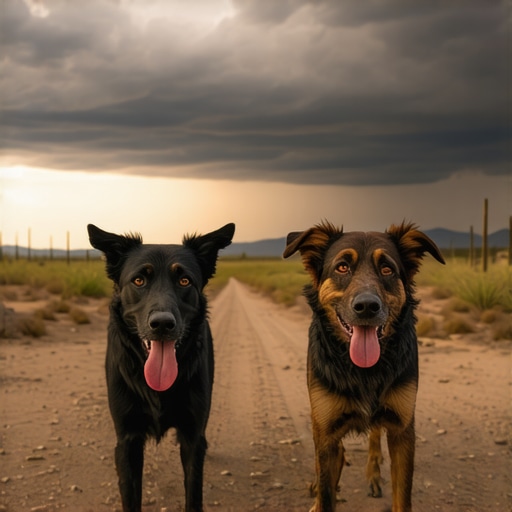
Preparing Service Dogs for Arizona’s Atmospheric Extremes
When the Arizona sky turns an eerie shade of purple and dust storms roll across the Valley, most residents scramble to secure their patio furniture. For those living with epilepsy or seizure disorders, the 2026 monsoon season presents a more complex challenge than just property damage. Heavy humidity and rapid shifts in barometric pressure can act as invisible triggers for neurological events. This makes the role of a seizure response dog more vital than ever. Training a dog to catch a scent in the middle of a haboob requires more than basic obedience; it demands specialized drills tailored to the desert’s volatile weather patterns. We are seeing an increase in weather-related alerts as storm systems become more erratic.
The Link Between Barometric Pressure and Seizure Activity
Atmospheric pressure changes are a known factor in neurological health. In Arizona, the 2026 monsoon season is predicted to bring some of the most intense pressure swings in a decade. High-quality seizure response dogs don’t just react to a fall; they alert to the pre-ictal phase. This phase involves specific biochemical markers released through sweat and breath. When the air is thick with moisture and ozone, these scent molecules behave differently. Drills must account for this heavy air to ensure your canine partner stays sharp when visibility and air quality drop. Dogs can sense these internal shifts long before the first crack of thunder hits. It is about biological detection in a chaotic environment.
Why Scent Work Beats Physical Cues During Storms
Many owners rely on their dogs to recognize physical pacing or staring spells. However, during a storm, the owner might already be stressed or moving erratically due to the external environment. This creates noise that can confuse a dog relying solely on visual signals. Scent is the objective truth. By focusing on scent drills that utilize actual sweat samples collected during high-humidity days, handlers can sharpen a dog’s nose. These exercises build a reliable alert system that functions even when thunder is rattling the windows and the power is flickering. A dog trained in scent will ignore the storm and focus on the human. [image_placeholder]
How do monsoon humidity spikes affect a dog’s scent detection?
Humidity is a double-edged sword for a working dog’s nose. While a certain amount of moisture helps trap scent molecules, the extreme saturation seen during an Arizona monsoon can cause scent pooling. Instead of traveling in a direct line, odors might linger in low areas or become trapped in HVAC systems. Training your dog to navigate these localized scent pockets is a core part of 2026 readiness. We focus on teaching the dog to hunt for the highest concentration of the target odor rather than just catching a fleeting whiff on the breeze. This level of precision is what separates a pet from a life-saving medical tool. You want a dog that can filter out the smell of rain, dust, and ozone to find the one scent that matters most.
Navigating the ‘Ozone Mask’ During Electrical Storms
Lightning strikes and high-voltage discharges common in the 2026 monsoon season do more than just light up the sky; they create a significant amount of ground-level ozone. For a seizure response dog, this ozone acts as a chemical ‘white noise’ that can mask the subtle biochemical changes in a handler’s breath or skin. Training must include exposure to these ionized environments. We recommend conducting short, controlled scent sessions in areas with high electrical activity—safely indoors—to help the dog learn to filter out the sharp, metallic tang of the storm. It is a process of fine-tuning the canine olfactory cortex to ignore the environmental chaos and prioritize the human’s biological signature. This ensures the dog remains a reliable safeguard even when the atmosphere is electrically charged and heavy with the scent of rain and lightning.
Pro Tip: The Cold-Sample Drill
One effective method for sharpening a dog’s focus during humidity spikes is the cold-sample drill. Collect sweat samples from the handler during a non-emergency but high-humidity afternoon and refrigerate them in airtight containers. When a storm rolls in, introduce these samples in various locations around the home. This forces the dog to work through the thick, ozone-heavy air of the storm to locate a specific, static scent profile. It builds the ‘muscle memory’ of the nose, ensuring that when a real pre-ictal event occurs, the dog doesn’t hesitate due to the atmospheric pressure or moisture levels. Consistent repetition in these conditions transforms a reactive response into a proactive alert that provides precious minutes of warning.
Tactical Gear and Respiratory Protection in the Desert
While the dog’s primary job is detection, their physical well-being during a haboob is paramount. Dust storms in the Mesa and Gilbert areas often carry Valley Fever spores and fine particulate matter that can irritate a working dog’s lungs. Using specialized mesh goggles or ‘doggles’ can prevent corneal abrasions during sudden wind gusts, allowing the dog to keep its eyes open and focused on the handler’s movements. However, the nose must remain unobstructed. We’ve found that applying a light, pet-safe balm to the outer edges of the nostrils can help trap larger dust particles before they enter the nasal cavity, though this should be tested during training to ensure it doesn’t interfere with scent detection. [image_placeholder]
Managing Handler Stress Signals
It is a biological reality: when the power goes out and the wind begins to howl at 70 miles per hour, your heart rate will rise. For a seizure response dog, your own fear can become a ‘false positive’ or a distracting signal. Part of the 2026 readiness protocol involves the handler practicing calm-breathing exercises during the storm. If the dog senses a spike in cortisol that isn’t related to a seizure, it might provide a ‘nuisance alert.’ Training the dog to differentiate between ‘owner is scared of thunder’ and ‘owner is having a neurological event’ requires exposing the dog to both scenarios intentionally. This distinction is the hallmark of a truly elite service animal, providing peace of mind when the external world feels out of control and the pressure is dropping rapidly.
Adapting to Indoor Scent Pooling and HVAC Shifts
When you retreat indoors and seal the windows against the dust, your home’s HVAC system becomes a primary factor in scent travel. During high-pressure monsoons, the air conditioning might struggle to dehumidify, leading to ‘scent pockets’ where odors get stuck in corners, behind heavy drapery, or under furniture. A dog trained in a sterile environment might get confused when the scent of a pre-ictal event is actually ten feet away from the handler, trapped in an air eddy. We use smoke pens during training sessions to visualize air flow in the home, teaching handlers where to position themselves so their dog has the best chance of catching an early alert. Understanding these invisible currents is vital for 24/7 reliability during the volatile Arizona summer months when the air inside becomes as stagnant as the air outside is chaotic.
Distinguishing Alert Fatigue from Environmental Stress
As the 2026 monsoon season intensifies, handlers often misinterpret their dog’s behavior during heavy storm surges. Alert fatigue is a real phenomenon where the canine brain, overwhelmed by the constant sensory input of thunder, static electricity, and scent pooling, begins to ‘tune out’ all signals, including the vital pre-ictal markers. It is crucial to distinguish this from simple environmental stress. A dog experiencing stress might pace or whine, while a dog with alert fatigue becomes unusually lethargic or unresponsive to known commands. To mitigate this, sessions must be kept short and highly rewarded during peak storm activity to maintain the value of the alert signal. We focus on keeping the dog’s cognitive load balanced when the atmosphere is at its most chaotic.
The Three-Step Calibration for Pressure Shifts
To ensure your service animal remains calibrated as the barometer drops, follow this advanced protocol during the transition into the storm front:
- Baseline Verification: Before the storm hits, conduct a simple scent discrimination test using a ‘neutral’ sample to ensure the dog’s olfactory system is engaged and functioning correctly.
- Incremental Exposure: Use a white noise machine or high-fidelity storm recordings at increasing volumes while the dog is performing scent work to build cognitive resilience against auditory distractions.
- Post-Storm Recovery: After the weather breaks, provide a dedicated ‘decompression’ period with high-value play or a licking mat to reset the dog’s cortisol levels and prevent long-term burnout.
Common Misconceptions About Natural Detection
One of the most dangerous myths among service dog owners in the Southwest is the belief that ‘natural’ detectors do not need environmental proofing. While some dogs possess an innate sensitivity to biochemical shifts, the extreme conditions of an Arizona dust storm create physical barriers that no amount of instinct can overcome. Without tactical proofing, a natural detector may fail when the ‘Ozone Mask’ or ‘Scent Pooling’ occurs. Training is the bridge that allows instinct to function under pressure. [image_placeholder] This ensures the dog is not just guessing but is relying on a hardened skill set that withstands atmospheric interference.
Training for the ‘Haboob Blindness’ Effect
During a 2026-scale haboob, visibility can drop to near zero within seconds. If a dog is accustomed to checking for visual cues from its handler—such as leaning, staring, or specific hand signals—the loss of sight can lead to a total failure in the alert chain. We train for ‘Haboob Blindness’ by having handlers work with their dogs in pitch-black rooms or using light-blocking goggles on the dog. This forces the animal to rely 100% on its nose and tactile contact. This advanced level of training ensures that even if you are caught in a total dust-out, the dog will physically press against you or perform its specific alert behavior without needing to see your face or posture.
Overcoming the ‘Static Barrier’
Heavy electrical activity generates significant static electricity in a dog’s coat, which can be distracting or even painful for certain breeds. This discomfort can lead to a refusal to work or a redirected focus on their own skin. Advanced handlers use anti-static sprays or specialized conductive vests to neutralize this effect during the monsoon peaks. Ensuring the dog is physically comfortable is not just about welfare; it’s about removing any sensory ‘noise’ that could drown out the subtle biological signals of a pending seizure. A dog that is preoccupied with static shocks cannot focus on the olfactory nuances of a pre-ictal event. We prioritize the removal of these external stressors to keep the alert clear.
The Impact of Valley Fever Spores on Long-term Detection
While immediate storm response is the focus, the 2026 monsoons carry a higher load of fungal spores across Mesa and Gilbert. Chronic inflammation from dust exposure can lead to ‘nose blindness’ over the course of the season. Integrating a strict post-exposure cleaning routine for the dog’s nasal passages—using veterinarian-approved saline—is an advanced maintenance step that preserves the integrity of the olfactory receptors for the long haul. A healthy nose is a functional nose, and protecting the tissue from desert particulates is vital for year-round reliability.
The Integration of Bio-Wearables and Canine Instinct
As we move deeper into the 2026 monsoon cycle, a new trend is emerging: the hybridization of canine detection and wearable technology. While a dog’s nose remains the gold standard for pre-ictal detection, many handlers in the Phoenix area are now using haptic feedback vests that sync with heart rate monitors. This technology isn’t meant to replace the dog, but to provide a secondary data stream. For the canine, the vest can act as a reinforcement signal. If the dog identifies a scent shift at the same time the monitor detects a heart rate variability (HRV) drop, the dog receives a specific vibration cue that reinforces its natural alert. This dual-verification system is proving essential during high-stress weather events where environmental noise might otherwise delay a dog’s response time. We are essentially building a fail-safe network where biological instinct meets digital precision.
Can a service dog sense a seizure before a wearable monitor?
Yes, in many documented cases, a well-trained seizure response dog can alert to a pre-ictal event anywhere from 10 to 45 minutes before electronic monitors register a significant physiological change. This is because dogs detect biochemical shifts—specifically volatile organic compounds (VOCs) released through the skin—that occur long before the heart rate spikes or the brain enters a full seizure state. While 2026 technology has improved, it still relies on physical symptoms like tremors or pulse changes, whereas the dog is monitoring the chemical foundation of the event. In the chaotic atmosphere of an Arizona dust storm, this olfactory head-start is the difference between finding a safe place to sit and an emergency room visit.
Nighttime Alerting and Auditory Chaos Management
The most dangerous seizures often occur during sleep, and the 2026 monsoon season has been characterized by intense midnight electrical storms. When thunderclaps exceed 100 decibels, even the most dedicated service dog may experience a ‘startle reflex’ that disrupts their monitoring. Training your dog to perform a ‘physical wake-up’ alert—such as a persistent lick or a heavy paw on the chest—is a specific skill set that must be proofed against the sound of heavy rain and wind. We recommend using ‘monsoon soundtracks’ at high volume during daytime training sessions to desensitize the dog to the specific frequency of desert thunder. The goal is for the dog to treat the sound of a storm as a cue to check on their handler, rather than a reason to hide or seek comfort. [image_placeholder]
The Multi-Scent Layering Technique
One of the LSI (Latent Semantic Indexing) challenges we face in the Southwest is the scent of ‘petrichor’—the earthy scent produced when rain falls on dry soil. In 2026, the high concentration of desert minerals makes this scent particularly pungent. To an untrained dog, petrichor can be an overwhelming sensory distraction. Advanced scent layering involves training the dog to find the target seizure scent while a petrichor-infused cloth is placed nearby. By rewarding the dog only for the biological alert, we teach them to ‘tunnel’ through the environmental smells. This ensures that even when the Arizona desert smells its strongest after a flash flood, your dog remains locked onto your unique chemical signature. This level of focus is what defines a high-performance medical alert animal in a volatile climate.
Legal and Practical Considerations for Emergency Sheltering
As weather patterns become more erratic, the likelihood of needing to use a community cooling center or emergency storm shelter increases. It is vital for handlers to understand that their ADA rights do not vanish during a natural disaster. A seizure response dog is a piece of medical equipment, not a pet. However, the stress of a crowded shelter—filled with other displaced animals and high-stress humans—can degrade a dog’s performance. Part of your 2026 readiness should include ‘public access’ training in high-distraction environments. If your dog can maintain a scent alert in the middle of a busy Mesa grocery store, they are more likely to stay focused in a chaotic emergency shelter. Ensuring your dog has a portable, familiar ‘place’ mat can help them regulate their own stress, keeping their olfactory receptors clear and ready for the next alert.
Frequently Asked Questions
How do I begin scent training for the 2026 monsoon extremes?
Start by collecting scent samples during high-humidity periods to capture the specific biochemical markers released in thick air. Begin training in a distraction-free indoor environment, gradually introducing localized humidity and synthetic ‘storm’ sounds to build the dog’s concentration and resolve.
What should I do if my service dog seems overwhelmed by desert thunder?
This is common sensory overload. Move to a central, well-insulated room and use a ‘place’ mat to provide a sense of security. Briefly engage in simple, high-reward tasks to refocus their brain on working mode rather than fear, and consider professional desensitization for desert-specific weather frequencies.
Can dust storms cause permanent damage to a service dog’s nose?
While temporary inflammation or ‘nose blindness’ is common after a haboob, chronic exposure to Valley Fever spores and heavy particulates can degrade olfactory sensitivity over time. Utilizing veterinarian-approved nasal rinses after dust exposure is an essential maintenance step for working dogs in Mesa and Gilbert.
Is my service dog protected by law in emergency Arizona storm shelters?
Absolutely. The Americans with Disabilities Act (ADA) ensures that your seizure response dog has the right to accompany you into any emergency facility, including cooling centers and disaster shelters. They are medical necessities, not pets, and are exempt from ‘no-pet’ restrictions even during natural disasters.
The Bottom Line
The 2026 monsoon season in the Southwest demands more than just basic service dog training; it requires a specialized, atmospheric approach to medical detection. In a region where the air can become a chemical mask of ozone and dust, the ability of a dog to ‘tunnel’ through environmental noise to find a pre-ictal signature is life-saving. By focusing on scent-pooling adaptation, static electricity management, and the integration of modern bio-wearables, handlers can create a multi-layered safety net that remains functional when the power goes out and the pressure drops. Resilience is built through consistent, tactical proofing that respects the power of the desert while harnessing the unparalleled instinct of the canine partner.
Don’t wait for the next haboob to test your preparedness. Contact Robinson Dog Training today to learn more about our specialized desert-proofing sessions and ensure your service dog is ready for the unique challenges of the Arizona summer.