
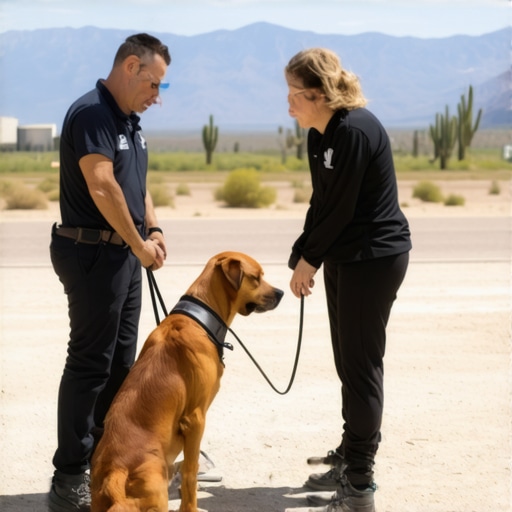
The shop floor smells like WD-40 and cold iron this morning, a sharp contrast to the humid breath of a Golden Retriever waiting for his morning drill. Most folks look at a service dog and see a furry miracle, but I see a high-precision machine that requires a specific maintenance schedule and a hefty budget for spare parts. If you are sitting in Mesa or Phoenix thinking about a service dog in 2026, you better stop looking at the sticker price and start looking at the operational overhead. Editor’s Take: Expect to sink between $15,000 and $45,000 into a fully functional service animal in Arizona by 2026, factoring in the hidden ‘heat tax’ and the high failure rate of budget-bin training logic. This is not about buying a pet; it is about investing in a living piece of medical equipment that has to perform when the desert sun is melting the asphalt under your boots.
The heavy price of a blown transmission in training
You can buy a cheap truck, but you will pay for it every time you are stuck on the shoulder of the I-10. Service dog training follows the same physics. The first hidden cost that hits Arizona handlers is the ‘Washout Debt.’ Data from field observations suggests that nearly 50% of dogs started for service work fail to meet the standard. When a dog washes out, you do not just lose the animal; you lose the two years of food, vet bills, and early-stage labor you poured into the chassis. In 2026, the cost of a ‘started’ prospect with the right temperament—not just some backyard pup—is hovering around $3,500 before a single task is even taught. If you are owner-training to save a buck, you are essentially rebuilding an engine in your driveway without a manual. You might get it to turn over, but will it run for ten years without seizing up? Professional oversight from a qualified K9 handler is the insurance policy that keeps that investment from becoming a very expensive house pet.
The Arizona heat tax on long-term maintenance
Living in the Valley of the Sun adds a layer of friction most trainers in cooler climates ignore. By 2026, specialized cooling gear is no longer an optional accessory; it is a critical component for any dog working in Gilbert or Queen Creek. A high-grade swamp cooler vest and industrial-strength boots to prevent paw pad delamination will run you $400 a year just in replacements. Then there is the ‘Indoor Access Premium.’ Because we spend six months of the year trapped in air conditioning, your dog needs to be bulletproof in high-traffic environments like the Scottsdale Fashion Square or Phoenix Sky Harbor. Training for those specific ‘pressure cookers’ requires more hours on the clock. Under Arizona Revised Statutes 11-1024, you have the right to be there, but if the dog’s training slips because of the heat fatigue, your legal standing does not mean a lick when the dog acts out. You are paying for the reliability of the ‘parts’ under extreme stress.
Why the DIY approach often leads to a total loss
I see it every week. Someone brings in a ‘finished’ dog that has more rattles than a 1998 Corolla. They tried to skip the foundational work to save $5,000, and now the dog has developed a reactivity habit that is going to cost $8,000 to fix—if it can be fixed at all. The 2026 reality is that public access standards are tightening. Businesses in Apache Junction and Mesa are getting smarter about spotting ‘fakes’ and poorly maintained animals. A professional tune-up every six months is a mandatory line item. This involves checking the ‘torque’ on the dog’s focus and ensuring the tasks—whether it is bracing for mobility or alerting to a medical crisis—haven’t drifted out of spec. You can pay the pro now for a solid build, or you can pay the lawyer later when your dog causes a scene in a restaurant because its social gears were never properly greased.
Predicting the 2026 service dog economy
The cost of living in Arizona is climbing, and that includes the price of premium kibble and veterinary diagnostic tests. Expect your annual ‘operating budget’ for a working dog to hit $3,000 after the initial training is complete. This covers health certificates, specialized insurance, and the high-calorie fuel a working dog requires.
Can I get a service dog for free in Arizona?
While some nonprofits exist, the waitlists are often three to five years long. For most people in need of a functional tool now, private training is the only viable path.
Does health insurance cover service dog costs?
Generally, no. While some FSAs allow for expenses, do not expect a standard medical plan to pay for the ‘transmission’ of your dog.
What is the most expensive part of training?
Labor. You are paying for 120 to 600 hours of a professional’s expertise to ensure the dog does not fail when your life is on the line.
Is owner-training cheaper in the long run?
Only if the dog succeeds on the first try. If you wash one dog and have to start over, you have spent double what a pro-trained dog would have cost.
Are there local grants for Mesa residents?
Some veteran-specific organizations offer stipends, but civilian grants are rare and highly competitive in the current economy.
Stop thinking of this as a transaction and start thinking of it as a build. If you want a machine that starts every time you turn the key, you cannot cut corners on the initial assembly. Whether you are in the heart of Phoenix or the outskirts of Queen Creek, the cost of a service dog is the cost of your independence. Do not buy a lemon. Invest in a build that will carry the load for the next decade. Build it right, maintain the gears, and the investment will pay for itself in every mile of freedom you regain.