
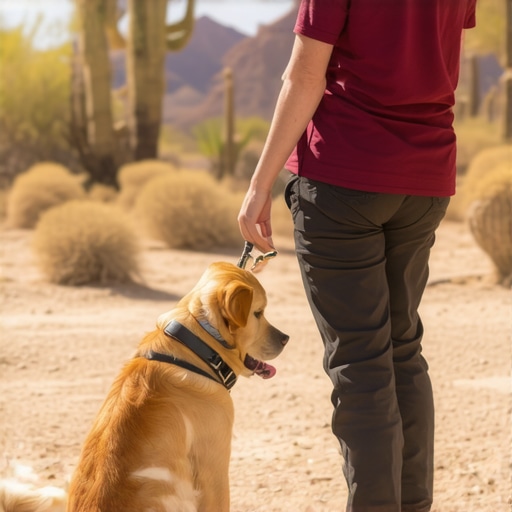
Unlocking Independence: A Deep Dive into Owner Trained Service Dogs in Arizona for 2024
Imagine a world where individuals with disabilities reclaim their independence through a bond forged not just by training but by trust, understanding, and shared experience. In Arizona, a state with a growing community of service dog advocates, owner training is transforming lives. This guide explores the nuances, benefits, and expert insights into owner trained service dogs in Arizona, ensuring you’re equipped with the knowledge to make empowered decisions in 2024.
Why Choose Owner Trained Service Dogs? The Real-World Benefits
Owner training of service dogs offers unparalleled advantages, fostering a unique bond that commercial training often can’t replicate. Arizona residents recognize that personalized training allows for tailored assistance, whether for mobility, medical alert, or emotional support. According to the American Disabilities Act (ADA), service dogs are defined by their trained behavior to assist their handlers, emphasizing the importance of proper training regardless of who conducts it. This personalized approach can result in a more reliable, intuitive partnership, especially when training is adapted to the handler’s specific needs.
Legal Landscape: Navigating Arizona’s Regulations and Rights
Understanding local laws is essential. Arizona aligns with federal ADA guidelines, granting individuals with disabilities the right to be accompanied by their service dogs in public spaces. However, nuances in state policies, such as licensing or certification requirements, can impact training and ownership. For example, Arizona law recognizes the importance of proper documentation and training, but it does not require certification for service dogs, emphasizing behavior and training quality. Arizona Attorney General’s Office offers valuable resources for individuals seeking clarity on rights and responsibilities.
Mastering the Art: How to Successfully Train Your Service Dog in Arizona
Training an owner-trained service dog involves a combination of patience, consistency, and access to quality resources. Practical techniques include positive reinforcement, gradual exposure to public environments, and specialized task training. Local Arizona organizations such as Robinson Dog Training offer expert guidance tailored to the desert climate and local environment. Remember, the goal is to develop a dependable, well-behaved dog capable of performing specific tasks that mitigate your disability.
What are the key skills and commands an owner should focus on for a service dog in Arizona?
Essential skills include basic obedience commands like sit, stay, and come, along with specialized tasks such as retrieving medication, alerting to medical conditions, or providing stability. Training should also incorporate distractions typical of Arizona’s outdoor environments, including encounters with wildlife and varied terrains.
Are you curious about harnessing the power of your bond with your service dog? Share your experiences or ask questions in the comments section below—your journey can inspire others!
Expert Tips: Ensuring Your Service Dog’s Well-being in Arizona’s Climate
Arizona’s extreme temperatures demand specific care routines. Regular hydration, shade, and grooming are crucial to keep your service dog comfortable and healthy. Veterinarians in Arizona, such as those at AZ Pet Vet, can provide tailored advice on climate-specific health considerations. Remember, a well-cared-for service dog is a reliable partner in your daily life.
To explore local training options and community support, check out this
Enhancing Your Bond: The Subtle Art of Training in Diverse Arizona Environments
One aspect I’ve learned through years of working with owner-trained service dogs in Arizona is the importance of adapting training techniques to the state’s unique landscapes and climate. Whether you’re navigating the rugged trails of Sedona or the bustling streets of Phoenix, your service dog must become a versatile partner capable of handling a variety of challenges. I remember working with a client who trained their dog to handle crowded outdoor markets, which are common in many Arizona towns. We focused on desensitization to noise, movement, and unfamiliar scents, all crucial for reliable assistance in real-world settings.
How can you tailor training to Arizona’s diverse environments?
Tailoring training involves exposing your dog gradually to the environments you frequent. For example, desert terrains require stability and focus on uneven surfaces, while urban areas demand attention amidst noise and crowds. Local resources like Robinson Dog Training provide invaluable guidance on local terrain adaptation. Additionally, incorporating commands like “leave it” or “go to” can help your dog navigate distractions specific to your surroundings, turning challenges into opportunities for skill-building.
Temperature Management: Keeping Your Service Dog Healthy in Arizona’s Climate
Arizona’s extreme heat can pose serious health risks to dogs if not managed properly. From dehydration to heatstroke, these dangers require proactive measures. Regular hydration, access to shaded rest areas, and early morning or late evening training sessions are essential strategies I recommend based on my experience. Veterinarians in Arizona are well-versed in climate-specific health concerns. For instance, AZ Pet Vet emphasizes the importance of cooling mats and frequent breaks during summer months.
Furthermore, grooming your service dog with a short, smooth coat can help regulate body temperature, especially for breeds like Labradors or Golden Retrievers. I’ve seen firsthand how these simple adjustments can make a significant difference in your dog’s comfort and performance.
Are You Curious About the Legal and Ethical Aspects of Owner Training in Arizona?
Many handlers wonder about the legal boundaries and ethical considerations when training their own service dogs. It’s important to be aware that, while the ADA doesn’t require certification, proper training and behavior are critical. Arizona law recognizes the importance of behavior over certification, but ensuring your dog’s training aligns with ADA standards helps prevent misunderstandings or legal issues. Resources such as the Arizona Attorney General’s Office can clarify your rights and responsibilities as a handler.
Addressing this question naturally leads to another: how do you balance personalized training with the need for societal acceptance and legal compliance? Building a well-behaved, task-trained dog is not just about meeting legal standards but about fostering trust and understanding with the community. Sharing your journey can inspire others and contribute to a broader awareness of the value of owner-trained service dogs in Arizona.
What’s Your Experience with Training or Living with an Owner-Trained Service Dog in Arizona?
If you’re already on this journey, I encourage you to share your stories or tips in the comments below. Your insights could be the encouragement someone else needs to start their own training adventure. Remember, the path of owner training is as rewarding as it is challenging, and community support makes a real difference. For more practical advice, check out local workshops or online forums where handlers exchange valuable tips and experiences.
Mastering Advanced Techniques for Owner-Trained Service Dogs in Arizona’s Diverse Environments
Building upon foundational training, the next frontier in owner-trained service dogs involves mastering environment-specific skills that cater to Arizona’s unique landscapes. From arid deserts to urban jungles, a handler must cultivate a versatile, adaptive partnership. For instance, desensitization to the shifting sands and rugged terrains of Sedona can significantly enhance a dog’s stability and focus, ensuring reliable assistance regardless of surroundings. Expert trainers emphasize the importance of systematically exposing dogs to these variables in controlled settings before real-world application, fostering confidence and resilience.
How can handlers incorporate terrain-specific challenges into their training regimen without compromising safety?
Integrating terrain challenges requires a strategic approach, balancing exposure with safety protocols. This includes using harnesses that provide control, gradual introduction to uneven surfaces, and positive reinforcement for maintaining composure. Local organizations such as Robinson Dog Training offer specialized workshops that simulate desert and mountain conditions, equipping handlers with the skills to train effectively and safely. Additionally, employing techniques like targeted scent discrimination and obstacle navigation enhances a dog’s adaptability for varied Arizona terrains.
Climate-Controlled Care: Ensuring Long-Term Well-being of Service Dogs in Extreme Heat
Arizona’s scorching temperatures demand innovative health management strategies. Advanced training includes acclimating dogs to high heat through controlled exposure, coupled with the use of cooling aids such as cooling vests and mats. Regular hydration protocols, combined with shaded rest zones, are crucial for preventing heat-related illnesses. Veterinarians highlight that breed-specific considerations—such as short noses in brachycephalic breeds—must inform training routines to avoid thermal stress. Employing smart technology, like GPS-enabled hydration monitors, can assist handlers in maintaining optimal health parameters during extended outdoor activities.
Moreover, understanding the signs of heatstroke—such as excessive panting, drooling, and lethargy—is vital. Training dogs to recognize and respond to these cues, or to seek shade autonomously, can be lifesaving. Resources like AZ Pet Vet provide specialized advice on climate-specific health strategies. These proactive measures transform risk management into an integral component of daily training, ensuring your service dog remains a dependable partner in Arizona’s extreme climate.
Legal and Ethical Nuances: Elevating the Standards of Owner-Training in Arizona
Beyond the technical aspects, understanding the legal landscape is pivotal for ethical owner training. Arizona aligns with federal ADA standards, emphasizing behavior and task proficiency over certification. However, adopting a comprehensive training approach that includes socialization, public manners, and task-specific skills not only meets legal expectations but also fosters societal acceptance. Ethical considerations involve transparency about your dog’s training process, ensuring that your service dog’s behavior consistently aligns with public safety standards.
Resources such as the Arizona Attorney General’s Office provide guidance on legal rights, while organizations like the Assistance Dogs International (ADI) set industry standards for training excellence. Striving for a balance between personalized training and societal integration elevates the status of owner-trained service dogs, fostering broader community trust and understanding.
Engaging with Community and Continuous Learning: Refining Your Expertise
Mastery in owner training is a continuous journey. Participating in local workshops, online forums, and certification programs enriches your knowledge base and hones your skills. Sharing your experiences through social media or local support groups not only benefits others but also opens avenues for expert feedback. Remember, each dog and handler pair is unique, and ongoing education ensures you adapt to new challenges and innovations in service dog training.
If you’re committed to elevating your training practice, consider consulting with certified professional trainers or attending specialized seminars. This investment in your expertise translates directly into a more dependable, well-rounded service dog capable of thriving amidst Arizona’s dynamic environment. To explore advanced training tools and resources, visit professional organizations like ADI or local Arizona-based canine training centers.
Unlocking Advanced Techniques: Elevating Owner-Trained Service Dogs in Arizona’s Diverse Landscapes
Building upon foundational training, mastering environment-specific skills tailored to Arizona’s rugged terrains and urban settings is essential for a dependable service dog. Incorporating desensitization to desert sands, mountain trails, and bustling city streets enhances your dog’s adaptability. For instance, systematic exposure to uneven surfaces and unfamiliar scents fosters resilience, a critical trait for real-world assistance. Local organizations such as Robinson Dog Training offer workshops that simulate these conditions, providing handlers with practical tools for terrain adaptation.
How can handlers effectively integrate terrain-specific challenges into their training routines without risking their dog’s safety?
Effective integration involves gradual exposure, the use of secure harnesses, and positive reinforcement to promote calmness amidst challenges. Training on varied surfaces like rocky paths or sandy dunes, coupled with commands such as “steady” or “heel,” ensures your dog remains focused. Employing real-world scenarios under controlled supervision, with safety gear and environmental awareness, enables handlers to develop resilience without compromising their dog’s well-being.
Climate-Resilient Care: Advanced Methods to Safeguard Service Dogs in Arizona’s Extreme Heat
Arizona’s soaring temperatures necessitate innovative health management strategies. Techniques such as acclimating dogs gradually to high heat, utilizing cooling aids like vests, and scheduling training during cooler hours are crucial. Breed-specific considerations, especially for brachycephalic breeds, require tailored routines to prevent thermal stress. Incorporating smart technology like GPS-enabled hydration monitors can optimize health management during extended outdoor activities. Veterinarians at AZ Pet Vet highlight that proactive measures significantly reduce heat-related risks, ensuring your service dog remains healthy and effective.
How can technology enhance temperature regulation and health monitoring for service dogs in extreme climates?
Leveraging wearable devices and smartphone apps allows handlers to track hydration levels, body temperature, and activity, enabling real-time decision-making. Such tools facilitate early intervention before heat-related issues escalate, ensuring your dog’s safety during prolonged outdoor engagements. This integration of technology elevates traditional care routines into a sophisticated health management system, crucial for maintaining peak performance in Arizona’s climate.
Legal and Ethical Mastery: Setting New Standards for Owner-Training in Arizona
Understanding the legal and ethical framework is vital for responsible owner training. Arizona’s adherence to ADA standards emphasizes behavior and task proficiency over certification. Developing a comprehensive training program that includes socialization, public manners, and task-specific skills not only meets legal requirements but also fosters societal acceptance. Transparency about your training methods and ongoing behavioral assessments enhance public trust. Resources like the Arizona Attorney General’s Office provide detailed guidance on legal obligations, helping handlers navigate complex regulations confidently.
How can handlers ensure their training practices align with both legal standards and ethical considerations to promote societal acceptance?
Implementing continuous education, engaging with certified trainers, and documenting training progress reinforce ethical standards. Sharing success stories and educating the community about the capabilities of owner-trained service dogs can dispel misconceptions. Ethical practices also involve prioritizing the dog’s well-being and ensuring their role enhances your independence without compromising public safety, thereby elevating the status of owner-trained service dogs within the community.
Community Engagement and Professional Development: Elevating Your Service Dog Training Expertise
Ongoing professional development is key to mastery in owner training. Participating in advanced workshops, online certification programs, and community forums enriches your skill set. Sharing your journey through social media or local support groups encourages peer learning and fosters a network of experienced handlers. Collaborating with certified trainers and attending specialized seminars can refine your techniques and introduce innovative methods. Visiting organizations like ADI offers access to industry standards and cutting-edge training resources, ensuring your service dog remains reliable amidst Arizona’s evolving landscape.
What strategies can handlers employ to stay updated with the latest advancements in service dog training and community practices?
Engaging in continuous education, leveraging online platforms, and participating in industry conferences provide exposure to new methodologies and research. Building a community of support not only enhances your skills but also contributes to the broader acceptance and recognition of owner-trained service dogs in Arizona’s diverse environments. Your commitment to excellence elevates the standards and promotes societal understanding of the vital role these dogs play in empowering individuals with disabilities.
Frequently Asked Questions (FAQ)
What qualifications or skills should I focus on when training my own service dog in Arizona?
Focus on basic obedience commands such as sit, stay, come, and heel, along with specialized tasks tailored to your disability, like retrieving objects or alerting to medical conditions. Incorporate training for distractions common in Arizona environments, including wildlife and varied terrains, to ensure reliability in real-world settings.
Are there specific Arizona regulations I need to be aware of when owning or training a service dog?
Arizona aligns with federal ADA standards, emphasizing behavior and task training over certification. While no certification is required, proper documentation of training and behavior is recommended. The Arizona Attorney General’s Office provides resources to clarify your rights and responsibilities as a handler, ensuring compliance with state and federal laws.
How can I adapt my service dog’s training to Arizona’s diverse landscapes and outdoor environments?
Gradually expose your dog to different terrains such as desert sands, rocky trails, and urban streets. Use controlled environments to desensitize your dog to environmental stimuli like noise, scents, and movement. Local organizations like Robinson Dog Training offer workshops that simulate these conditions, helping your dog become versatile and confident across various settings.
What are best practices for keeping my service dog healthy and comfortable in Arizona’s extreme heat?
Ensure regular hydration, access to shaded rest areas, and early or late training sessions during cooler parts of the day. Use cooling aids like vests and mats, and groom your dog with a short coat for temperature regulation. Recognize signs of heatstroke and train your dog to seek shade or rest autonomously, reducing health risks during outdoor activities.
How can I incorporate technology to help manage my service dog’s health in hot climates?
Wearable devices such as hydration monitors and GPS-enabled health trackers can provide real-time data on your dog’s temperature, hydration, and activity levels. These tools help you make informed decisions, prevent overheating, and ensure your dog remains healthy and effective in extreme temperatures.
What ethical considerations should I keep in mind when owner training my service dog in Arizona?
Prioritize your dog’s well-being, ensure consistent training that aligns with ADA standards, and be transparent about your training methods. Ethical training involves socialization, public manners, and task proficiency, fostering public trust and societal acceptance of owner-trained service dogs.
How can I continue improving my skills and stay updated on best practices for service dog training?
Participate in local workshops, online certification programs, and industry conferences such as those offered by Assistance Dogs International. Engage with online forums and support groups to exchange experiences and learn about new techniques. Collaborate with certified trainers to refine your skills and stay current with advancements in service dog training.
What are some advanced training techniques for service dogs in Arizona’s challenging environments?
Implement terrain-specific desensitization, such as navigating rocky paths or busy city streets, using positive reinforcement and safety gear. Employ obstacle navigation, scent discrimination, and focused commands to enhance resilience and adaptability. Local workshops provide practical exposure to these challenges, ensuring your dog’s preparedness for Arizona’s diverse landscapes.
How can I build community support and advocate for owner-trained service dogs?
Share your success stories, participate in local events, and educate the public about the capabilities of owner-trained service dogs. Building a network through online groups and local support communities fosters mutual learning and promotes societal understanding and acceptance of owner-trained service dogs in Arizona.
Trusted External Sources
- Assistance Dogs International (ADI): Industry standards and certification resources for owner-trained service dogs, promoting best practices and ethical training.
- Arizona Attorney General’s Office: State-specific laws, rights, and responsibilities regarding service animals, ensuring legal compliance.
- American Kennel Club (AKC) Canine Good Citizen Program: Recognized training benchmarks and socialization standards applicable to service dog training.
- Arizona Veterinary Medical Association (AzVMA): Climate-specific health guidance, including heat management and breed-specific considerations.
- Research publications in veterinary behavior and training journals: Evidence-based techniques for environmental adaptation and advanced training methods tailored to desert and urban settings.
Conclusion: Summing Up the Expert Insights on Owner Trained Service Dogs in Arizona
Empowering yourself with expert knowledge on owner training, legal standards, and climate adaptation elevates your ability to cultivate a reliable, well-behaved service dog in Arizona. Tailoring training to diverse environments, prioritizing health and safety, and engaging with reputable resources ensures your partnership is both effective and ethically grounded. As you continue to refine your skills, remember that community support and ongoing education are vital for success. Share your journey, seek out expert guidance, and explore innovative techniques to enhance your service dog’s capabilities. Your dedication not only transforms your life but also contributes to greater societal understanding and acceptance of owner-trained service dogs in Arizona. Take action today—whether by sharing your story, seeking new training opportunities, or advocating for legal recognition—and make a meaningful difference in your and your dog’s life.
This comprehensive guide truly highlights the importance of personalized owner training in creating a dependable service dog, especially in Arizona’s unique environment. I appreciate the emphasis on adapting training techniques to local terrains like deserts and urban settings, as I’ve found that exposure to varied environments significantly boosts a dog’s confidence and resilience. One challenge I’ve encountered is balancing desert terrain exercises with the potential stress on the dog, especially during peak heat hours. Using cooling vests and scheduling training during cooler parts of the day has made a noticeable difference.
Have others found specific tools or routines that help their service dogs handle Arizona’s extreme heat while maintaining focus and safety? I’m always looking for innovative methods to ensure my dog’s health and effectiveness, especially when working in rugged outdoor settings. Sharing experiences and tips creates such a supportive community for all of us navigating these challenges.
This post really captures the essence of personalized service dog training in Arizona. From my own experience, I’ve found that incorporating local scents and urban distractions early in training helps a dog develop more real-world resilience. It’s one thing to train a dog in a backyard, but taking into account Arizona’s unique landscapes and environmental challenges truly prepares both handler and dog for actual situations. I particularly agree with the importance of gradual exposure to harsh terrains and unpredictable stimuli, which builds confidence and trust.
One challenge I’ve faced is maintaining my dog’s focus during those sweltering summer days. I’ve started using a combination of cooling vests and mental exercises during the hottest hours, which seems to help. Has anyone else experimented with different hydration techniques or heat-reset routines that work well in extreme heat? Additionally, I’d love to hear about innovative tools or tech that others use for climate management—things that are practical and easy to transport during outdoor activities.
This detailed guide really resonates with my experience in owner training service dogs here in Arizona. I’ve especially appreciated the focus on evolving training techniques to adapt to diverse environments—ranging from desert landscapes to bustling city streets. One aspect I found particularly challenging was training my dog to remain calm in crowded outdoor markets, which are pretty common around here. I started desensitization exercises with a focus on noise, movement, and scent distractions, and it’s made a tangible difference in our outings.
On the heat management front, I’ve experimented with using cooling mats and early morning training sessions, which have helped maintain focus and safety in the summer heat. For those tackling similar issues, does anyone have suggestion on the best hydration gear or rapid cooling solutions that are portable yet effective? Also, I’d love to hear more about technological tools, like smart collars or apps, that help monitor a dog’s health during outdoor activities in extreme temperatures. Community sharing like this truly helps us become better handlers and trainers, especially in a climate as challenging as Arizona’s.
I really appreciate how this guide emphasizes the importance of environment-specific training for service dogs in Arizona. From my own experience, incorporating desert terrain and urban distractions early in training has made a huge difference in my dog’s resilience and responsiveness. One challenge I’ve faced is keeping my dog cool and focused during the intense summer heat. I’ve found that pairing hydration with cooling vests and training during the cooler parts of the day, like early mornings or late evenings, has helped maintain safety and effectiveness.
I’m curious, has anyone tried using portable cooling devices that can be easily carried during outdoor excursions? Technologies like cooling bandanas or wearable fans seem promising but are often overlooked. Also, what other routines or tools have members found helpful for managing Arizona’s extreme climate while ensuring their service dogs remain sharp and healthy? Sharing these practical tips really fosters a supportive community for all of us navigating these unique challenges.
I really appreciate how this article highlights the importance of tailored, environment-specific training for service dogs in Arizona. Having personally trained my dog for urban settings, I’ve found that exposure to different urban distractions like traffic noise and crowded areas early on makes a big difference in their responsiveness during real situations. Balancing the intense heat of Arizona while keeping a dog focused can indeed be challenging, especially with high-energy breeds. I’ve started incorporating short hydration breaks with cold water and using portable cooling mats during training, which seems to help. Has anyone experimented with integrating tech devices like smart collars to monitor hydration and temperature? I think these tools could be game-changers for increasingly effective climate management while training or working outdoors. Would love to hear more about what others have tried—community knowledge is so valuable in overcoming these climate-specific hurdles.
This article really hits home for me, especially the part about customizing training for Arizona’s unique landscapes. I’ve been working with my service dog to handle rocky trails and urban streets, and I’ve found consistent exposure combined with positive reinforcement makes a huge difference. One thing I’ve learned is the importance of early hydration and cooling strategies—using portable fans and cooling vests during hot months has helped keep my dog comfortable and focused. I’m also considering adopting smart tech, like hydration monitors, to track health signs in real-time, which sounds promising. Has anyone experienced how such devices impact training routines or daily work in extreme settings? I believe investing in these tools can really elevate how we prepare our dogs for Arizona’s environment. Would love to hear other dog handlers’ experiences with tech or specific routines that help keep their dogs safe and responsive during outdoor activities.