
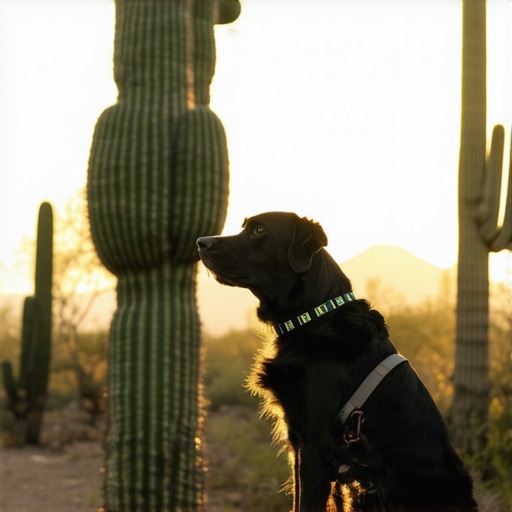
Unlocking the Secrets of Owner-Trained Service Dogs in Arizona: A 2024 Perspective
In the vibrant landscape of Arizona, where the desert meets urban innovation, training a service dog is not just a task but a profound journey of partnership and empowerment. For owners committed to training their own service dogs in 2024, understanding the latest strategies is crucial for success. This guide offers expert insights into the most effective methods, legal considerations, and practical tips tailored for Arizona’s unique environment.
Why Choose Owner Training? The Personal Touch in Service Dog Education
Owner training of service dogs is gaining momentum, especially in regions like Arizona, where personalized approaches often lead to better behavioral outcomes. Unlike professional trainers, owners possess a deep understanding of their specific needs and environments, enabling them to customize training that aligns perfectly with day-to-day challenges. This personalized method fosters a stronger bond, essential for the dog’s reliability and emotional support.
Essential Strategies for Effective Owner-Trained Service Dogs in Arizona
Harnessing Local Environment for Real-World Training
Arizona’s diverse terrain—from urban streets to rugged outdoor trails—offers a natural classroom for training service dogs. Incorporating local landmarks and common scenarios into training routines ensures dogs are prepared for real-life situations. For example, practicing public access skills at busy markets in Phoenix or navigating crowded parks in Tucson builds confidence and obedience in authentic settings.
Applying Positive Reinforcement with a Cultural Touch
Positive reinforcement remains the gold standard in training. In Arizona, where outdoor activity is prevalent, using local treats or toys can enhance motivation. Rewarding dogs with treats during outdoor adventures not only reinforces desired behaviors but also deepens the owner-dog bond. Remember, consistency and patience are vital—especially when teaching complex commands like ‘leave it’ amidst desert distractions.
Legal and Ethical Considerations: Navigating Service Dog Laws in Arizona
Understanding the legal landscape is essential for owner-trained service dogs. Arizona adheres to federal laws like the Americans with Disabilities Act (ADA), which mandates reasonable accommodations. Owners must ensure their dogs are well-trained to meet public access requirements, and documentation can bolster legitimacy. Resources like the ADA National Network provide comprehensive guidance on lawful training and certification.
Common Challenges and How to Overcome Them
Training a service dog independently can present hurdles such as behavioral issues or environmental distractions. Drawing on expert advice, owners should be prepared to troubleshoot common problems by maintaining consistency, seeking peer support groups, and utilizing professional resources when necessary. For instance, local Arizona-based organizations often offer workshops or mentorship programs that can complement owner-led training efforts.
What Are the Best Resources for Aspiring Owner-Trainers in Arizona?
Numerous online courses, local clubs, and veteran organizations support owner trainers. An excellent starting point is the Robinson Dog Training center, which offers tailored advice and community support. Engaging with experienced trainers or attending local events can provide valuable hands-on experience and confidence building.
Embarking on the journey of owner-trained service dogs in Arizona is both challenging and rewarding. With the right strategies, local environment integration, and a solid understanding of legal standards, owners can create dependable partners that transform lives. For more insights, share your experiences or ask questions in the comments below, and stay connected with expert resources to make your training journey a success.
Deepening Your Training: Practical Techniques for Owner-Training Success in Arizona
As an owner committed to training your service dog in Arizona, understanding the nuances of behavior management is essential. One effective approach is incorporating **desensitization and counter-conditioning** techniques to help your dog stay calm amidst Arizona’s vibrant outdoor stimuli. For example, gradually exposing your dog to busy street sounds or desert wildlife while rewarding calm behavior can significantly reduce reactivity.
Another vital aspect is **consistent communication**. Using clear commands and hand signals helps your dog understand expectations and respond reliably in various settings. I recommend establishing a **training schedule** that mimics real-world scenarios, such as practicing navigation at local farmers’ markets or crowded hiking trails, to build confidence and independence.
Understanding the Legal Landscape: Ensuring Your Service Dog Meets Arizona Standards
Arizona’s compliance with federal laws like the ADA provides a foundation, but being aware of state-specific regulations can prevent potential misunderstandings. For instance, some municipalities may have additional requirements for service dog registration or licensing. Regularly updating your knowledge through resources like the ADA National Network ensures you’re well-prepared for public interactions.
Documenting your training progress and keeping records of your dog’s behavior assessments can be invaluable, especially when navigating public spaces or employment situations. Remember, while formal certification isn’t legally required, demonstrating your dog’s trained behavior can help in situations where you face challenges or questions about your service dog’s role.
What Are the Hidden Challenges in Owner-Training You Should Prepare For?
One common obstacle is managing **environmental distractions** that are unique to Arizona, such as desert wildlife or intense heat. These factors can influence your training sessions and daily routines. For instance, training during cooler parts of the day or in shaded areas can help your dog stay focused and avoid heat exhaustion.
Furthermore, addressing **behavioral setbacks** like leash reactivity or anxiety requires patience and tailored strategies. Joining local groups or online forums, such as Arizona-based service dog communities, can provide supportive feedback and practical advice. Sometimes, consulting with a professional trainer for specific issues can save time and frustration, ensuring your dog remains dependable and well-behaved.
Have you ever encountered unexpected challenges while training your service dog? How did you overcome them?
Sharing experiences can be incredibly helpful. Plus, it fosters a community of dedicated owners supporting each other’s efforts. If you’re interested in expanding your knowledge, exploring courses on platforms like [K9 Training Academy](https://k9trainingacademy.com/) can offer specialized insights tailored for owner-trainers.
Training a service dog is a journey filled with learning, patience, and unwavering commitment. Remember, every challenge you face is an opportunity to deepen your bond and refine your skills. To stay motivated, consider documenting your progress and celebrating small wins along the way. If you found this insight helpful, share your own stories or ask questions in the comments below—we’re here to support each other in this meaningful journey.
Maximizing Training Efficacy: Incorporating Cognitive and Sensory Integration for Service Dogs in Arizona
Building upon foundational training methods, advanced owner trainers are now exploring cognitive and sensory integration techniques that enhance a service dog’s ability to operate independently in complex environments. For example, integrating scent discrimination drills with obstacle navigation can significantly improve a dog’s problem-solving skills, especially crucial in Arizona’s diverse landscapes where unfamiliar scents and terrains are common.
Experts recommend utilizing **multi-sensory training protocols** that challenge dogs to process visual, auditory, and olfactory stimuli simultaneously. This approach not only enhances the dog’s adaptability but also prepares them for unpredictable real-world scenarios, such as navigating busy Phoenix streets or remote desert trails. Incorporating **clicker training** combined with targeted scent work can accelerate learning and foster greater confidence in your service dog.
How can owner trainers effectively implement advanced cognitive training to improve service dog reliability?
Implementing complex task chains, such as teaching your dog to recognize and respond to different commands based on contextual cues, can greatly improve their reliability. For instance, training your dog to differentiate between commands given in noisy outdoor settings versus quiet indoor environments ensures they respond appropriately across all situations. Resources like the K9 Training Academy offer specialized courses on such advanced techniques, providing practical frameworks for owner-led training.
Leveraging Technology for Enhanced Training Outcomes in Arizona’s Unique Climate
Modern owner trainers are increasingly integrating technology to monitor progress and ensure consistency. Devices such as GPS trackers and behavior monitoring apps help track training sessions and environmental exposures, providing data-driven insights. In Arizona’s hot climate, using **temperature-sensitive activity monitors** can prevent overexertion, which is vital for maintaining your dog’s health and focus.
Additionally, virtual training modules and online consultations with professional trainers can offer personalized feedback, especially when tackling complex tasks or behavioral issues. For example, remote coaching can assist with desensitization procedures for desert wildlife or handling heat-related challenges during outdoor training sessions.
What are the emerging challenges in owner-led service dog training in desert climates, and how can they be mitigated?
One significant challenge is managing **heat stress and dehydration**, which can impair a dog’s focus and health. Training during cooler parts of the day, providing ample shade, and ensuring constant hydration are essential strategies. Furthermore, desert wildlife such as snakes or scorpions pose safety risks; training your dog to recognize and avoid these hazards through positive reinforcement enhances both safety and confidence.
Another challenge involves **environmental unpredictability**, such as sudden dust storms or flash floods. Developing **emergency response protocols** with your dog—like commands for seeking shelter or alerting you to hazards—can make a crucial difference. Regularly updating your training routines to reflect seasonal and environmental changes ensures your service dog remains dependable across Arizona’s dynamic landscape.
Are there specific legal considerations when training service dogs amidst Arizona’s environmental hazards?
Yes, understanding the interplay between local regulations and federal laws is vital. Arizona law emphasizes the importance of ensuring your dog is trained to behave appropriately in public and private settings, especially considering environmental hazards. Maintaining thorough documentation of your training progress helps substantiate your dog’s readiness and compliance if questioned by authorities or business owners.
Moreover, staying informed about **local ordinances** related to animal safety and public health—such as leash laws and wildlife interaction regulations—can prevent legal complications. Resources like the ADA National Network offer comprehensive guidance on ensuring your training aligns with both federal and state standards.
Incorporating these advanced strategies and awareness into your owner-led training regimen will not only enhance your service dog’s performance but also ensure their safety and reliability in Arizona’s unique environment. As you continue this journey, consider engaging with local veteran and service dog communities for shared insights, and always prioritize your dog’s well-being alongside training goals. Want to explore more innovative training techniques? Reach out to specialized trainers or participate in regional workshops designed for advanced owner-trainers to elevate your skills and your dog’s capabilities.
Advanced Techniques for Owner-Led Service Dog Training in Arizona’s Diverse Terrain
Building upon foundational methods, experienced owner trainers are now embracing **multi-sensory and cognitive training protocols** to elevate their service dogs’ capabilities. Integrating scent discrimination with obstacle navigation, for instance, enhances problem-solving skills vital for navigating Arizona’s varied landscapes. Utilizing **clicker training** in conjunction with targeted scent work accelerates learning and fosters resilience against environmental distractions, including desert wildlife and urban noise.
Harnessing Cutting-Edge Technology for Optimal Training Outcomes
Modern tools like **GPS tracking devices** and **behavioral monitoring apps** provide data-driven insights that refine training routines. In Arizona’s scorching climate, employing **temperature-sensitive activity monitors** prevents heat exhaustion, safeguarding your dog’s health and maintaining focus. Virtual coaching and online courses from trusted platforms such as K9 Training Academy facilitate personalized guidance, especially when adapting to desert-specific challenges.
Expert Advice: Overcoming Desert Climate Challenges in Service Dog Training
High temperatures and sudden dust storms necessitate strategic planning. Training during cooler parts of the day, creating shaded areas, and ensuring constant hydration are essential. Additionally, teaching your dog to recognize and avoid hazards like snakes and scorpions through positive reinforcement enhances safety. Developing **emergency response protocols**, such as commands for seeking shelter or alerting you to dangers, ensures preparedness for Arizona’s unpredictable environment.
Legal and Safety Considerations for Training Amid Environmental Hazards
Arizona’s laws emphasize proper training to ensure service dogs behave appropriately in public and hazardous situations. Maintaining comprehensive documentation of your training progress can be invaluable when facing legal scrutiny or public interactions. Staying informed about **local ordinances** and **wildlife regulations** via resources like the ADA National Network helps ensure compliance and safety.
Community Engagement and Continuous Learning for Elevated Training Success
Joining local veteran and service dog communities fosters shared experiences and peer support. Participating in workshops or regional training events can provide new insights and practical techniques tailored for Arizona’s environment. For example, workshops focusing on **desert terrain navigation** or **heat acclimatization** can significantly enhance your training effectiveness.
Future Trends: Integrating Cognitive and Sensory Challenges for Maximum Reliability
Emerging methods involve **complex task chaining** and **contextual command differentiation**, improving your dog’s responsiveness across varied scenarios. Training your dog to respond to specific cues in noisy outdoor settings versus quiet indoor environments ensures dependable performance. Resources like K9 Training Academy offer advanced courses to guide owner-trainers through these sophisticated techniques.
Innovative Solutions to Environmental and Climate Challenges
Addressing heat stress involves not only training during cooler hours but also incorporating **hydration protocols** and **shade-utilization strategies**. Recognizing desert hazards through **positive reinforcement** ensures your dog’s safety and confidence. Additionally, developing **hazard recognition commands** for wildlife and environmental dangers enhances both safety and operational reliability.
Join the Movement: Elevate Your Owner-Training Skills Today
By leveraging these advanced techniques, technological tools, and community resources, you can transform your service dog training journey into a highly effective and rewarding experience. Stay proactive, continually seek new knowledge, and connect with local experts to keep your skills sharp. Interested in taking your training to the next level? Engage with specialized trainers or participate in regional workshops designed for veteran owners—your partnership’s success depends on your commitment to excellence.
Frequently Asked Questions (FAQ)
How can I start training a service dog on my own in Arizona?
Begin by understanding the specific assistance your dog needs and familiarize yourself with local regulations. Use reputable resources such as professional training guides, online courses, and community support groups. Consistent positive reinforcement and gradual exposure to real-world environments are key to effective owner-led training.
What legal requirements must I meet to have a trained service dog in Arizona?
Arizona follows federal laws like the ADA, which require service dogs to be trained to perform specific tasks related to a disability. While formal certification isn’t mandatory, maintaining documentation of training progress and behavior assessments can support your case if challenged. Be aware of local ordinances and ensure your dog is well-behaved in public settings.
What are the main challenges I might face when training my service dog in Arizona’s climate?
Arizona’s heat and environmental hazards such as wildlife and dust storms pose unique challenges. To mitigate these, train during cooler parts of the day, provide shaded rest areas, and teach your dog hazard recognition commands. Regular hydration and acclimatization to outdoor conditions are essential components of training in this environment.
How do I incorporate Arizona’s diverse terrain into my service dog training?
Use real-world settings like busy markets, outdoor trails, and urban streets to train your dog in public access skills. Practice commands and obedience in these environments to build confidence and reliability. Gradual exposure to different terrains helps your dog adapt to Arizona’s varied landscapes.
What resources are available for owner trainers in Arizona?
Local organizations such as the Robinson Dog Training Center, online platforms like K9 Training Academy, and veteran service dog groups provide valuable training advice, workshops, and peer support. Engaging with these resources can enhance your training effectiveness and confidence.
Trusted External Sources
- ADA National Network: Offers comprehensive guidance on federal laws, training standards, and legal rights related to service dogs.
- Arizona Department of Health Services: Provides information on animal health, safety regulations, and environmental hazards specific to Arizona.
- Assistance Dogs International (ADI): Sets industry standards and offers certification guidelines, training resources, and best practices for owner trainers.
- K9 Training Academy: An online platform offering specialized courses in advanced cognitive and sensory training techniques suitable for owner-led efforts.
- Local Arizona Veteran and Service Dog Support Groups: Offer community-based support, experience sharing, and practical training advice tailored to the Arizona environment.
Conclusion
Mastering the art of owner-trained service dogs in Arizona combines expert knowledge, local environmental understanding, and unwavering dedication. By leveraging advanced training techniques, embracing technology, and engaging with reputable resources, owners can develop dependable partners capable of navigating Arizona’s diverse landscapes and challenges. Such proactive, informed training not only enhances your dog’s reliability but also reinforces your legal and safety preparedness. Share your experiences, ask questions, and continue exploring innovative training strategies to elevate your service dog partnership—your commitment can truly transform lives.