
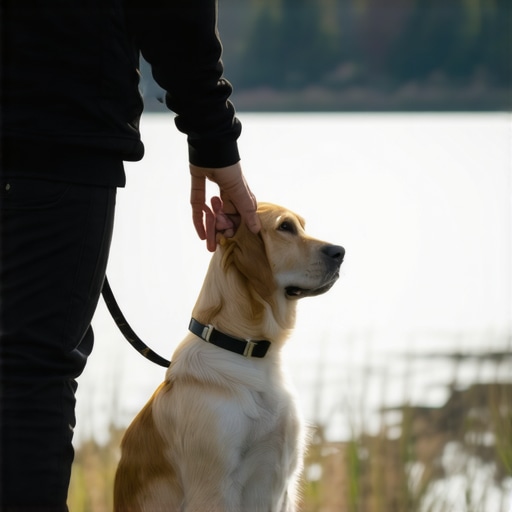
When the internal engine starts to smoke
Listen. You don’t fix a blown head gasket with a prayer. You fix it with the right wrench and a lot of patience. My garage smells like WD-40 and cold, spilled coffee, and that is where I do my best thinking about systems. Your brain is a system. When a panic attack hits, that system is redlining. In 2026, a Psychiatric Service Dog (PSD) is the specialized tool that keeps the whole machine from exploding. Editor’s Take: Effective PSD tasks for 2026 shift away from simple comfort toward active physiological intervention, specifically focusing on Deep Pressure Therapy (DPT), grounding, buffering, and scent-based early warnings. If you are looking for a dog to just sit there and look pretty while you spiral, you are in the wrong shop. We are talking about mechanical reliability here. These dogs are trained to spot a malfunction before the warning light even flickers on your dashboard.
The four-legged torque wrench
A service dog needs to do more than just exist. It needs to perform. The first mandatory task is Deep Pressure Therapy. This is not a cuddle. This is a weighted intervention where the dog applies its body mass to specific pressure points on your chest or lap. It hits the vagus nerve. It forces the nervous system to shift from ‘fight or flight’ back into ‘idle.’ It is physics, plain and simple. Next, we have Tactile Grounding. When the world starts spinning, the dog uses its nose or paws to strike your hands, forcing your brain to acknowledge the physical reality of the dog rather than the phantom noise in your head. According to ADA Service Animal Standards, these tasks must be directly related to the disability. Third is Crowd Buffering. The dog creates a physical perimeter in public spaces, acting as a spacer so you don’t feel crowded. Finally, the 2026 standard is Scent-Based Alerting. Dogs are now being trained to detect the shift in cortisol levels before you even feel the first tremor in your hands. It is like a diagnostic scanner for your blood chemistry. For more on the basics, check out professional training frameworks or specific task lists.
Why the Phoenix heat kills your diagnostic tool
If you are operating in Mesa or anywhere near the US-60 in Arizona, you know the heat is a gear-grinder. I’ve seen people try to work their dogs on the asphalt outside a Gilbert grocery store when it is 115 degrees. That is how you break your equipment. In Maricopa County, the local reality is that a service dog’s paws will blister in seconds on that pavement. You need boots. You need cooling vests. A dog that is overheating cannot perform a panic alert. It is too busy trying to keep its own engine from seizing up. If you are training a PSD in the Southwest, you have to account for the ‘Heat-Induced Failure Rate.’ A dog that is panting at 100 cycles a minute cannot accurately scent your cortisol. You have to be smarter than the weather.
The messy reality of a bad fit
Most industry advice is garbage. They tell you any dog can do this. That is a lie. If the dog is anxious, it will feed off your panic. Now you have two broken systems instead of one. It is like putting a lawnmower engine in a heavy-duty pickup. It won’t pull the load. I have seen ‘service dogs’ in Phoenix that were more stressed than the handlers. That is a liability. A true 2026 PSD needs a high ‘Resilience Rating.’ They need to be able to take the emotional weight of a panic attack, process it, and stay rock solid. If the dog flinches when you start to shake, send it back to the yard. You need a partner that is built for the work, not a pet that is wearing a vest it didn’t earn. We are talking about life-or-death reliability here, not a social media post. Professional handlers at International Association of Assistance Dog Partners emphasize that the temperament is the foundation of the task.
The 2026 shift in mental maintenance
The ‘Old Guard’ thought service dogs were just for the blind. The 2026 reality is that mental health is a structural issue. We are seeing more integration of technology, with smart-collars that sync the dog’s alerts to your phone. But the dog is still the primary processor.
How heavy should a dog be for DPT?
It is not about the scale; it is about the distribution. A 30-pound dog can be effective if they know where to put the weight.
Can any breed do scent alerts?
Some have better ‘sensors’ than others. Labs and Goldens are the gold standard for a reason.
What if my dog misses an alert?
No machine is 100 percent. You need a backup. You need your ‘limp mode’ plan.
Is owner-training a good idea?
Only if you have the right tools and the stomach for the work. Most people quit when the training gets greasy.
Do boots affect grounding tasks?
They can. You have to train the dog to use its nose instead of its paws if they are wearing rubber soles for the Arizona heat.
Keeping the machine running
A psychiatric service dog is the most complex piece of equipment you will ever own. It requires daily maintenance, clear communication, and the right fuel. If you treat it like a luxury, it will fail you. If you treat it like a vital component of your survival, it will keep you on the road when the panic tries to push you into the ditch. Get the training right. Keep the dog cool. Trust the diagnostic alerts. The road ahead is long, but with a reliable dog at your side, you can handle the climb. [IMAGE_PLACEHOLDER]