
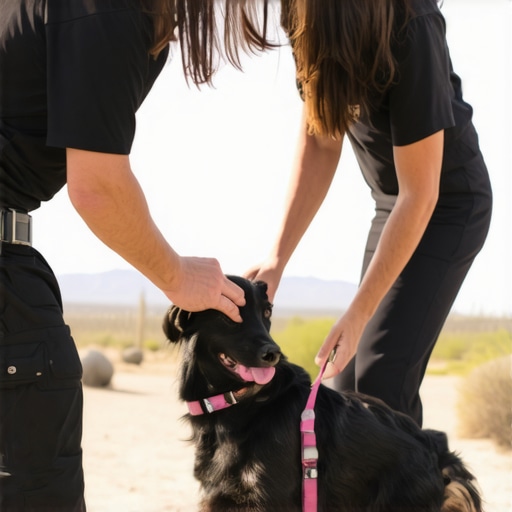
Unlocking the Secrets of Service Dog Training in Arizona
Arizona’s diverse terrains and climate present unique challenges and opportunities for service dog training. Whether you’re a professional trainer or a dedicated owner, understanding how to tailor training methods to this environment is crucial for success in 2024. This guide explores expert strategies that will help you cultivate a well-behaved, highly responsive service dog capable of assisting individuals with disabilities across Arizona’s scenic but demanding landscape.
Why Location Matters: The Impact of Arizona’s Climate and Terrain on Training
Arizona’s hot summers, rugged terrain, and urban environments influence how service dogs learn and adapt. Trainers must incorporate acclimatization techniques to prevent heat exhaustion and ensure safety during outdoor exercises. For example, training in early mornings or late evenings during summer months can help dogs remain comfortable and focused. Additionally, navigating urban settings like Phoenix or Tucson requires desensitization to city noises and distractions, which is essential for real-world assistance scenarios.
Proven Strategies for Effective Service Dog Training in 2024
To achieve optimal results, trainers should adopt a comprehensive approach that integrates positive reinforcement, environmental adaptation, and task-specific training. Using high-value rewards encourages obedience and attentiveness, especially in distracting environments. Incorporating real-life scenarios, such as crosswalks or public transport, prepares dogs for daily assistance tasks. Moreover, consistent socialization with diverse people and animals builds confidence and reduces reactivity, ensuring the dog remains calm and reliable in any setting.
What Are the Key Factors That Make Service Dog Training Successful in Arizona?
Successful training hinges on understanding the unique needs of each dog and the environment. Factors include proper socialization, tailored exercise routines, and the use of durable training equipment suited for Arizona’s climate. Regular health checks are also vital, as extreme heat can impact a dog’s stamina and well-being. Additionally, partnering with local experts familiar with Arizona’s specific challenges enhances training outcomes. For more insights, consult authoritative sources such as the Assisted Living & Disabled World.
Transforming Challenges into Opportunities: The Arizona Advantage
While Arizona’s conditions may seem daunting, they also offer a unique training advantage. Dogs trained in this environment develop resilience, adaptability, and a robust work ethic. These qualities are invaluable for service dogs supporting mobility, guiding the visually impaired, or providing emotional support. Embracing local resources, such as specialized training centers like Robinson Dog Training, further enhances your training journey.
Interested in more expert tips? Join our community by commenting below or sharing your own training experiences. For a deeper dive into professional service dog training, explore our detailed guides and resources.
Adapting Training Techniques to Arizona’s Dynamic Climate and Landscape
Building on the foundation of understanding Arizona’s climate, it’s essential to incorporate cooling strategies during training sessions. Trainers often utilize cooling mats or schedule sessions during the cooler parts of the day, such as early mornings or late evenings, to prevent heat stress. Moreover, integrating water-based exercises can help dogs build stamina without overheating. These approaches not only safeguard the well-being of the dogs but also enhance their resilience and adaptability, essential traits for service dogs operating in Arizona’s varied terrains.
Personalizing Training to Meet Each Dog’s Unique Needs
Every dog has individual strengths and sensitivities, which requires a tailored training plan. For instance, a dog with a high prey drive might need specific desensitization to outdoor wildlife, while a more anxious dog benefits from gradual exposure to busy urban environments. As a trainer with years of experience, I’ve found that observing each dog’s reactions provides critical insights into customizing routines that maximize learning and confidence. This personalized approach ensures that service dogs are not only well-trained but also emotionally balanced, ready to handle the unpredictability of real-world scenarios.
What Are the Most Common Challenges Trainers Face in Arizona?
One significant challenge is managing the environmental distractions, such as the vibrant desert wildlife, bustling city noises, and extreme weather variability. For example, desert scorpions and snakes can pose hazards during outdoor training, so safety precautions like checking training areas regularly are vital. Additionally, maintaining the dog’s motivation in high-temperature conditions can be tricky; hence, trainers often employ high-value rewards and short, focused sessions to keep engagement high. According to experts in service dog training, patience and flexibility are key in overcoming these hurdles, ensuring progress despite environmental obstacles.
How Can Pet Owners Support Their Service Dogs Beyond Formal Training?
Beyond professional training sessions, daily routines play a crucial role in reinforcing learned behaviors. Simple activities like regular walks in different neighborhoods or visits to local stores help dogs generalize their skills. Owners should also continue socialization efforts, exposing their dogs to diverse people, animals, and situations to build confidence. Remember, consistent positive reinforcement at home solidifies training outcomes and nurtures a strong bond between owner and dog. For those interested in further insights, resources like the Disabled World service dog guide offer valuable tips.
If you’ve had memorable experiences or unique challenges with service dog training in Arizona, we’d love to hear from you! Share your stories in the comments or connect with fellow trainers and pet owners who are navigating similar journeys. Together, we can foster a community dedicated to excellence in service dog training and support.
Innovative Techniques for Enhancing Service Dog Resilience in Arizona’s Harsh Climate
As service dog trainers and enthusiasts delve deeper into optimizing training methodologies, understanding how Arizona’s unique environment influences canine behavior and performance becomes paramount. Beyond standard acclimatization, integrating cutting-edge cooling technologies, such as evaporative cooling vests and water-based training modules, can significantly improve a dog’s endurance and safety during rigorous outdoor sessions. These innovations not only safeguard physical health but also bolster mental resilience, preparing dogs for unpredictable scenarios they may encounter in urban or rural settings.
Nuanced Approaches to Tailored Training: Addressing Individual Dog Profiles
Recognizing that each dog possesses a distinct temperament, sensory sensitivity, and learning style, advanced trainers employ detailed behavioral assessments to customize training plans. For example, utilizing operant conditioning techniques with variable reinforcement schedules can accelerate learning in high-stimulation environments. Additionally, implementing desensitization protocols for specific urban stressors—like sirens, construction noise, or crowds—requires a sophisticated understanding of canine neuroplasticity. These tailored strategies ensure the development of a confident, adaptable service dog capable of handling complex, real-world tasks.
What are the latest neuroscientific approaches to optimizing service dog learning in extreme environments?
Emerging research indicates that neurofeedback and biofeedback techniques can enhance a dog’s ability to manage stress and maintain focus under pressure. According to a study published in the Journal of Veterinary Behavior (2022), neural modulation methods facilitated improved emotional regulation and task performance. Trainers equipped with portable neuroimaging tools can monitor brain activity in real-time, adjusting training stimuli dynamically. This integration of neuroscience into practical training represents a frontier in creating highly resilient and reliable service animals.
Leveraging Local Resources and Community Networks for Superior Training Outcomes
Partnering with specialized Arizona-based facilities, such as Robinson Dog Training, allows trainers to access region-specific expertise and advanced equipment. Engaging with local veteran and mobility organizations fosters community-driven support, enriching the training process with diverse social interactions. Moreover, participating in regional workshops and conferences facilitates knowledge exchange on innovative techniques tailored to Arizona’s environment, ensuring continuous professional development and superior training results.
Integrating Technology for Data-Driven Training and Performance Tracking
Utilizing wearable GPS and activity monitors enables trainers to collect detailed data on a service dog’s movement patterns, stamina, and stress indicators. Analyzing this data with specialized software helps identify early signs of fatigue or anxiety, prompting timely intervention. This data-driven approach allows for precise adjustments in training intensity and frequency, optimizing performance and well-being. As technology advances, integrating AI-powered analytics will further refine personalized training strategies, leading to more effective and healthier service dogs.
Harnessing Neuroscience to Elevate Service Dog Performance in Arizona
Emerging neuroscientific approaches are revolutionizing how trainers enhance a service dog’s resilience and adaptability amidst Arizona’s demanding environment. Techniques such as neurofeedback and biofeedback enable real-time monitoring of canine brain activity, facilitating targeted interventions that improve emotional regulation and focus, especially during high-stress tasks. According to a comprehensive study published in the Journal of Veterinary Behavior, these methods can significantly accelerate learning curves and foster greater stress tolerance, ultimately producing more dependable service animals.
Integrating Smart Technology for Precision Training and Monitoring
Modern trainers are increasingly leveraging wearable devices like GPS trackers, biometric sensors, and activity monitors to gather extensive data on a service dog’s physical and emotional states. Analyzing this information with sophisticated software allows for nuanced adjustments in training routines, ensuring optimal stamina and mental health. The advent of AI-powered analytics promises even more personalized training regimens, enabling trainers to predict fatigue, anxiety, or discomfort before they manifest visibly. This proactive approach is transforming service dog training into a highly data-driven, scientifically grounded discipline.
Addressing Urban and Wilderness Challenges with Specialized Protocols
Arizona’s diverse landscapes, from urban centers to remote desert wilderness, demand tailored training protocols that prepare service dogs for a wide range of scenarios. For urban environments, desensitization to city noises, crowds, and traffic is crucial, while outdoor training must focus on safety protocols against wildlife hazards like snakes and scorpions. Implementing environment-specific desensitization exercises and safety checks ensures dogs remain confident and reliable regardless of setting. Incorporating virtual reality simulations can also provide safe, controlled exposure to complex urban stimuli, enhancing real-world readiness.
What cutting-edge methods are trainers using to optimize service dog resilience in extreme climates?
Trainers are experimenting with innovative cooling solutions such as evaporative vests, water-based exercise routines, and climate-controlled training zones to mitigate heat stress. These technologies preserve physical stamina and mental clarity, crucial for service dogs operating under Arizona’s intense sun and temperature fluctuations. Additionally, integrating adaptive training schedules aligned with weather forecasts helps prevent heat-related health issues, thus maintaining high training standards while prioritizing animal welfare.
Leveraging Local Expertise and Community Networks for Superior Outcomes
Partnerships with Arizona-based facilities like Robinson Dog Training provide access to region-specific knowledge and advanced equipment tailored to local challenges. Engaging with veteran and mobility organizations fosters a community of shared expertise, offering ongoing support and innovative training techniques. Participating in regional workshops and conferences ensures trainers stay abreast of the latest developments, facilitating continuous professional growth and the delivery of superior service dog training programs.
Encouraging Owner Engagement and Continued Socialization for Long-Term Success
Beyond formal training, owners play a vital role in reinforcing learned behaviors through daily activities. Regular exposure to diverse environments, social settings, and novel stimuli helps maintain and generalize skills. Consistent positive reinforcement and stress management techniques foster a resilient and emotionally balanced service dog. Resources such as Disabled World offer invaluable tips for owners seeking to support their dogs long-term, ensuring sustained performance and well-being.
Innovating Future-Ready Service Dog Training in Arizona
As the field progresses, integrating cutting-edge technologies like biofeedback, virtual reality, and AI analytics will define the next frontier in service dog training. These tools will enable trainers to craft hyper-personalized programs that adapt seamlessly to each dog’s unique profile and environmental demands. Embracing these advancements promises not only to elevate training efficacy but also to set new standards of excellence in preparing service dogs for Arizona’s extreme and varied climate conditions.
Frequently Asked Questions (FAQ)
What are the essential components of effective service dog training in Arizona?
Effective training in Arizona involves tailored socialization, acclimatization to climate and terrain, positive reinforcement, and task-specific skills development. Trainers must incorporate environmental desensitization, especially for urban noise and wilderness hazards, while ensuring physical health with regular check-ups and climate-adapted routines.
How does Arizona’s climate influence service dog training methods?
Arizona’s high temperatures and dry environment necessitate scheduling training during cooler parts of the day, using cooling aids like mats and vests, and including water-based exercises. These practices protect dogs from heat stress and enhance their endurance, making them resilient in extreme weather conditions.
What innovative technologies are shaping service dog training today?
Emerging tools such as neurofeedback, biofeedback, and AI-powered data analytics are transforming training strategies. They enable real-time monitoring of canine stress and focus levels, allowing trainers to tailor routines precisely, which accelerates learning and improves performance in challenging environments.
How important is ongoing socialization and owner involvement after formal training?
Continued socialization, daily exposure to diverse environments, and positive reinforcement are critical for maintaining and generalizing skills. Owner involvement ensures the dog remains confident, emotionally balanced, and ready to handle real-world scenarios beyond initial training sessions.
What are the common environmental challenges faced when training service dogs in Arizona?
Challenges include desert wildlife hazards, urban distractions, and extreme heat. Safety precautions, specialized desensitization exercises, and environment-specific training protocols help dogs adapt and remain reliable across various settings, from city streets to wilderness trails.
Can local Arizona organizations enhance service dog training outcomes?
Yes, partnering with local facilities like Robinson Dog Training and participating in community workshops provide region-specific expertise, access to advanced equipment, and ongoing support, which collectively improve training quality and success rates.
What future trends are expected to influence service dog training in Arizona?
Future developments include integrating virtual reality simulations, advanced cooling technologies, and AI analytics. These innovations will enable hyper-personalized, adaptive training programs, preparing service dogs more effectively for Arizona’s diverse and demanding environments.
Trusted External Sources
- American Kennel Club (AKC) – Service Dog Training Resources: Offers comprehensive guidelines on training standards, breed suitability, and behavioral assessments.
- Arizona Department of Health Services – Animal Welfare: Provides region-specific data on climate effects on canine health and safety protocols for outdoor activities.
- Journal of Veterinary Behavior – Neuroscientific Advances: Features cutting-edge research on neurofeedback and biofeedback techniques for canine stress management.
- Assisted Living & Disabled World – Service Dog Training Tips: Contains practical advice and owner support strategies tailored to various environments, including Arizona.
Conclusion: Comprehensive and Forward-Thinking Service Dog Training in Arizona
Mastering service dog training in Arizona demands an understanding of the state’s unique climate and terrain, coupled with innovative techniques and community collaboration. From climate-adapted routines and advanced neuroscientific methods to leveraging local resources, trainers and owners can develop resilient, well-prepared service dogs. Embracing emerging technologies and continuous socialization ensures these highly trained animals remain dependable across diverse scenarios, ultimately enhancing their ability to serve individuals with disabilities effectively. Share your experiences, comment below, or explore further expert content to advance your training journey and support the vital role of service dogs in Arizona’s vibrant communities.
,