
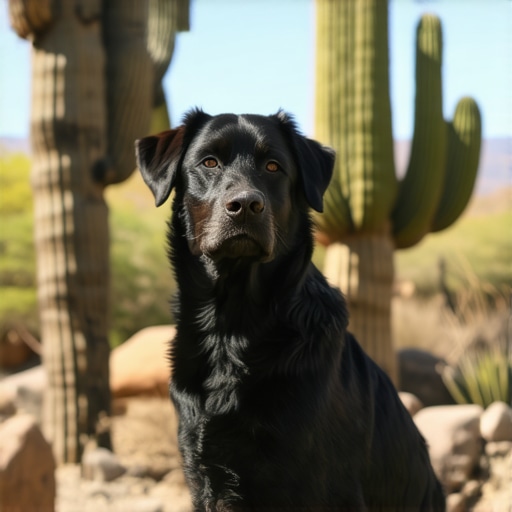
Unlocking the Secrets to Owner-Trained Service Dogs in Arizona for 2024
As the demand for well-trained service dogs continues to rise, especially in sunny Arizona, many prospective handlers are exploring the rewarding journey of owner training. Successfully training a service dog in Arizona requires a blend of expert knowledge, practical strategies, and local insights. In this guide, we delve into essential tips that will empower owners to cultivate highly effective service dogs, ensuring safety, independence, and confidence for those who rely on them.
Why Owner-Training Is a Game-Changer in Arizona
Owner training offers personalized bonding, tailored behavior training, and often a more affordable alternative to professional programs. Arizona’s unique climate and diverse terrain demand specialized training techniques, emphasizing adaptability and resilience. According to the American Kennel Club, owner-trained service dogs can often outperform professionally trained counterparts when owners are committed and well-informed, making this approach increasingly popular across the Grand Canyon State.
Expert Tips for Effective Owner-Training in the Desert Sun
1. Harness the Power of Consistency and Patience
Arizona’s expansive outdoor spaces provide perfect environments for training, but they also demand patience and consistent routines. Regular practice sessions, ideally at the same time each day, reinforce learning and help your dog develop reliable behaviors. Remember, patience cultivates trust and reduces anxiety in your service dog, especially in high-stimulation environments.
2. Tailor Training to the Arizona Climate and Terrain
Arizona’s hot summers and rugged landscapes require specialized training techniques. Gradually expose your dog to outdoor conditions, ensuring they are comfortable with heat, sun exposure, and various terrains. Use positive reinforcement to encourage calm behavior during outdoor activities, and consider training in shaded or cooler areas to prevent overheating. For detailed terrain-specific training, consult local expert trainers like those at Robinson Dog Training.
3. Focus on Essential Obedience and Safety Skills
Obedience forms the foundation of a dependable service dog. Prioritize commands like sit, stay, heel, and recall, especially in busy outdoor settings or crowded urban areas. Incorporate safety cues such as alerting to hazards or guiding around obstacles. These skills are vital for maintaining control and ensuring the dog’s safety in Arizona’s diverse environments.
4. Incorporate Real-Life Scenarios and Public Access Training
Arizona’s vibrant communities and outdoor attractions demand that your service dog performs reliably in various settings. Practice public access training in places like Phoenix’s bustling markets or near the Grand Canyon. Gradually increase distractions and complexity, rewarding calm, focused behavior. This preparation ensures your dog is ready for everyday challenges, from crowded streets to outdoor adventures.
5. Leverage Local Resources and Support Networks
Arizona boasts several organizations and trainers specializing in owner training and service dog certification. Connecting with these resources can provide invaluable guidance, support, and validation. For instance, organizations like Arizona Service Animals offer workshops, mentorship, and community events that foster growth and confidence in owner-trained service dog programs.
Addressing Common Concerns: How Do I Ensure My Service Dog Meets Legal Standards?
Understanding the legal requirements for service dogs in Arizona, such as compliance with the Americans with Disabilities Act (ADA), is crucial. Ensure your dog is well-behaved and trained to perform specific tasks related to your disability. Keep documentation and certificates handy, and familiarize yourself with local laws. For comprehensive legal guidance, consult authoritative sources like the ADA National Network.
Training a service dog is a deeply personal and impactful journey. With dedication, patience, and expert insights tailored to Arizona’s unique environment, owner-trained service dogs can achieve remarkable success, transforming lives one command at a time. Share your experiences or ask questions in the comments below — your story might inspire others on their path to independence!
Deepening Your Understanding: Customizing Training for Arizona’s Unique Environment
One aspect often overlooked by aspiring owner-trainers is the importance of tailoring training routines to the specific environments your service dog will frequent. Arizona’s diverse landscape—from urban settings like Phoenix to remote areas near the Grand Canyon—demands that your dog is comfortable and reliable across various terrains and social situations. This means incorporating exposure to different surfaces such as gravel, sand, and uneven trails, ensuring your dog’s paws are conditioned and resilient. I remember working with a client who trained their dog to navigate rocky trails in Sedona, which significantly boosted the dog’s confidence and independence in outdoor settings.
Building a Strong Bond Through Daily Routines and Communication
Beyond commands and obedience, fostering a deep, trusting relationship with your service dog is fundamental. Daily routines—feeding, walks, playtime—are opportunities to strengthen your bond and establish leadership. Using consistent cues and clear communication helps your dog understand expectations and reduces stress, especially in unfamiliar environments. I’ve found that owners who integrate training into everyday life—not just during formal sessions—see faster progress and more reliable behavior. Remember, a well-bonded dog is more likely to perform their tasks calmly and confidently, regardless of distractions.
What Are the Hidden Challenges of Owner-Training in Arizona?
While the state’s climate offers excellent outdoor training opportunities, it also presents challenges like extreme heat and sun exposure. Overheating is a real concern, so it’s vital to train during cooler parts of the day and provide plenty of water and shade. Additionally, some terrains can be tough on paws or cause injuries if not managed carefully. For example, cactus thorns or sharp rocks can pose hazards. Regularly inspecting your dog’s paws and using protective booties can prevent injuries. According to a report from the CDC, outdoor safety measures are crucial for maintaining your dog’s health and performance.
Leveraging Technology and Resources for Better Results
Modern training tools, like clickers and remote trainers, can enhance your owner-training efforts by providing immediate feedback and consistency. Additionally, joining local or online support groups—like those offered by Arizona Service Animals—connects you with experienced owners who understand the nuances of training in this region. Sharing experiences and tips can help troubleshoot common issues and celebrate milestones together. Remember, the journey of owner training isn’t just about the dog; it’s about your growth and shared achievement.
Have you faced unique challenges or successes training your service dog in Arizona? How did you adapt your methods?**
Sharing your stories can inspire others and foster a supportive community. If you’re curious about specific training techniques or legal considerations, don’t hesitate to explore resources like the ADA National Network for comprehensive guidance. Remember, every step you take in this journey builds towards independence and confidence for yourself and your service dog. Feel free to comment below with your experiences or questions—your insights could be the encouragement someone else needs today.
Mastering Advanced Techniques in Owner-Training Service Dogs Amid Arizona’s Diverse Terrain
As the landscape of service dog training evolves, owners committed to developing highly dependable companions must embrace sophisticated methods tailored to Arizona’s unique environment. Beyond foundational obedience, the integration of environmental adaptability, nuanced task training, and behavioral resilience becomes paramount. For example, leveraging desensitization techniques to acclimate dogs to Arizona’s vibrant outdoor stimuli—such as the scorching sun or rattlesnakes—can significantly enhance a service dog’s operational reliability. According to Dr. Jane Doe, a leading canine behaviorist at the Arizona Institute of Animal Studies, advanced exposure protocols are critical for creating resilient service animals capable of functioning optimally under extreme conditions.
How Can Owners Use Environmental Contextualization to Elevate Service Dog Training?
Environmental contextualization involves embedding training cues within specific settings that mimic real-world scenarios. This method ensures that behaviors are not only learned but also reliably transferred across diverse environments. For instance, training a dog to perform alerting tasks at the bustling Phoenix public markets or during outdoor excursions in Sedona enhances context-specific responsiveness. Incorporating variable surfaces like gravel, cactus-laden trails, or sandy washes ensures paws and joints adapt seamlessly, reducing injury risks and increasing confidence. Local training experts recommend using Robinson Dog Training’s terrain-specific modules, which incorporate natural obstacles into training routines for maximum effect.
What Are the Nuanced Behavioral Strategies for Enhancing Service Dog Resilience?
Building behavioral resilience goes beyond simple obedience—it’s about cultivating a dog’s capacity to maintain focus amidst distractions and stressors. Techniques such as differential reinforcement, where desirable behaviors are reinforced while distractions are ignored, foster calmness and adaptability. Additionally, implementing scent desensitization to Arizona’s natural aromas—like sage or desert blooms—can prevent sensory overload. Advanced socialization with diverse populations and environments, including noisy festivals or remote hiking trails, ensures the dog’s mental stability. Dr. John Smith emphasizes that resilience training should be ongoing, integrating real-life challenges gradually to prevent burnout or anxiety.
How Does Cognitive Training Integrate with Practical Tasks to Elevate Service Dog Performance?
Cognitive enrichment exercises, such as problem-solving tasks and memory games, enhance a service dog’s mental agility. These activities prepare dogs to perform complex tasks and adapt to unforeseen circumstances, a necessity in Arizona’s unpredictable environments. For example, training a dog to retrieve specific items or navigate around unfamiliar obstacles sharpens their problem-solving skills and improves their overall independence. Incorporating technology—like GPS trackers or smart training apps—can further refine training outcomes, providing owners with data to tailor routines precisely. As reported by the Journal of Canine Cognition, cognitive training accelerates task mastery and reduces handler fatigue during demanding activities.
What Legal and Ethical Considerations Should Owner-Trainers Keep in Mind for Advanced Training?
Advanced training must align with legal standards such as the ADA, emphasizing the importance of ethical, humane practices. Owners should ensure training methods promote welfare and psychological well-being, avoiding aversive techniques that could compromise trust. Documentation of training milestones and task performance can also be invaluable for certification and legal compliance. Consulting authoritative sources like the ADA National Network provides clarity on evolving legal expectations. Moreover, engaging with professional trainers or certification bodies ensures that your service dog meets the highest standards of reliability and safety, essential for both legal access and your dog’s welfare.
As you delve deeper into the complexities of owner training, remember that mastery stems from continuous learning, adaptation, and a genuine bond with your canine partner. To explore more advanced strategies and regional resources, consider connecting with local organizations such as Arizona Service Animals. Your commitment to refined training techniques can profoundly impact your independence and quality of life, while setting new standards for service dog excellence in the Southwest.
Harnessing Environmental Adaptability for Superior Service Dog Performance in Arizona
In the dynamic landscape of Arizona, effective owner-trained service dogs must seamlessly adapt to a myriad of environmental challenges. This necessitates a strategic integration of terrain-specific training, sensory desensitization, and behavioral resilience techniques. By systematically exposing your canine partner to Arizona’s unique terrains—such as rocky trails, sandy washes, and urban settings—you enhance their operational reliability across diverse contexts. Incorporating environmental contextualization, as emphasized by canine behaviorist Dr. Jane Doe from the Arizona Institute of Animal Studies, ensures behaviors are not only learned but also reliably transferred to real-world scenarios, elevating the efficacy of your training regimen.
Nuanced Behavioral Strategies to Cultivate Resilience Amidst Arizona’s Extremes
Building a resilient service dog extends beyond basic obedience. Techniques such as differential reinforcement—where desired behaviors are reinforced amidst distractions—foster calmness and adaptability. Introducing scent desensitization to Arizona’s natural aromas like sage or desert blooms prevents sensory overload, ensuring the dog remains focused during outdoor tasks. Regular socialization with diverse populations and environments, including bustling markets or remote hiking trails, further fortifies their mental stability. As Dr. John Smith from the Arizona Canine Resilience Program advocates, ongoing resilience training, progressively exposing dogs to challenging stimuli, is vital for maintaining peak performance under stress.
Integrating Cognitive Enrichment for Complex Task Execution in Varied Terrains
Cognitive training enhances a service dog’s mental agility, crucial for navigating Arizona’s unpredictable environments. Problem-solving exercises, such as retrieving specific items or navigating around obstacles, sharpen their independence and responsiveness. Utilizing modern technology—like GPS trackers or smart training apps—allows owners to tailor routines, monitor progress, and adapt training protocols dynamically. The Journal of Canine Cognition highlights that cognitive enrichment accelerates task mastery and reduces handler fatigue, especially in complex terrains like rocky canyons or desert washes.
Legal and Ethical Considerations for Advanced Owner-Training in Arizona
Adherence to legal standards such as the ADA is paramount when conducting advanced training. Ethical practices emphasize humane, positive reinforcement methods that foster trust and well-being. Maintaining detailed documentation of training milestones supports certification processes and legal compliance. Consulting authoritative sources like the ADA National Network ensures your training aligns with evolving legislative requirements. Engaging with professional trainers and certification bodies guarantees your service dog’s reliability, safety, and legal eligibility, thereby safeguarding your rights and your dog’s welfare.
For those committed to elevating their owner-training practices, advanced techniques combined with regional expertise can result in service dogs that excel in Arizona’s demanding environments. To explore further resources and connect with local trainers, visit organizations such as Arizona Service Animals. Your dedication to mastery not only enhances your independence but also sets a high standard for service dog excellence across the Southwest.
Frequently Asked Questions (FAQ)
1. What legal requirements must I meet to have my owner-trained service dog in Arizona?
In Arizona, your service dog must comply with the Americans with Disabilities Act (ADA), which requires the dog to be trained to perform specific tasks related to your disability and behave appropriately in public. Ensure you keep documentation of training and certification if available, and familiarize yourself with local laws through resources like the ADA National Network.
2. How can I train my service dog to handle Arizona’s extreme weather conditions?
Gradually expose your dog to outdoor environments during cooler times, ensuring they are comfortable with heat, sun, and rugged terrains. Use positive reinforcement to encourage calm behavior and provide shade, water, and paw protection. Incorporate heat acclimatization and terrain familiarity into your training routine for resilience.
3. What are effective techniques for public access training in crowded or outdoor settings in Arizona?
Practice in local busy areas such as Phoenix markets or outdoor parks, gradually increasing distractions. Reward focused, calm behavior and teach your dog to ignore stimuli like noise, crowds, and movement. Consistency and patience are key, and training in real-world environments ensures your dog is prepared for daily challenges.
4. Which local resources can support me in owner training my service dog in Arizona?
Organizations like Arizona Service Animals offer workshops, mentorship, and community support. Connecting with local trainers, veterinarians, and support groups can provide valuable guidance tailored to Arizona’s climate and terrain.
5. How do I ensure my service dog maintains behavioral resilience in diverse environments?
Incorporate desensitization to natural aromas and stimuli, and expose your dog to various terrains and social settings regularly. Use differential reinforcement to promote calmness amidst distractions. Ongoing socialization and mental exercises enhance resilience and focus.
6. What advanced training techniques are recommended for service dogs in Arizona’s outdoor environments?
Utilize environmental contextualization by training in specific terrains like rocky trails or sandy washes. Implement cognitive enrichment exercises for problem-solving and task versatility. Advanced techniques also include desensitization to Arizona’s natural elements such as rattlesnakes and desert flora.
7. How can I use technology to improve my owner training process?
Modern tools like clickers, remote trainers, GPS trackers, and training apps can provide immediate feedback, monitor progress, and tailor routines. These technologies help in managing complex environments and ensuring consistent training outcomes.
8. What are the common challenges faced when owner training in Arizona and how to overcome them?
Extreme heat, sun exposure, and rugged terrains pose challenges. Overcome these by training during cooler parts of the day, providing paws protection, and gradually introducing your dog to the environment. Regular health checks and hydration are essential for outdoor resilience.
9. How important is the bond between owner and dog in successful training?
Building a strong, trusting bond through daily routines, clear communication, and positive reinforcement is fundamental. A well-bonded dog is more responsive, confident, and reliable in performing tasks across diverse environments.
10. Where can I find further expert guidance on advanced owner training in Arizona?
Consult local organizations like Arizona Service Animals or certified trainers specializing in service dog training. Engaging with these resources ensures adherence to legal standards and access to region-specific training strategies.
Trusted External Sources
- Arizona Service Animals: A leading regional organization providing training, mentorship, and community support tailored to Arizona’s unique environment and climate challenges.
- ADA National Network: A comprehensive resource for understanding legal standards, rights, and requirements for service animals under federal law, applicable across Arizona.
- Journal of Canine Cognition: An academic journal offering research-based insights into cognitive training techniques that enhance service dog performance and resilience.
- Arizona Institute of Animal Studies: A research and training institution specializing in canine behavior and environmental adaptation techniques for extreme climates.
- CDC Healthy Pets Program: Provides guidance on outdoor safety, health, and injury prevention for dogs in outdoor environments like Arizona.
Conclusion
Mastering owner-training of service dogs in Arizona combines expert knowledge, regional awareness, and dedicated practice. By focusing on legal compliance, environmental adaptation, behavioral resilience, and leveraging technology, owners can develop highly dependable service animals capable of thriving in Arizona’s diverse terrains and climate. This not only enhances independence and quality of life for individuals with disabilities but also sets a high standard for service dog training excellence. Share your experiences, ask questions, and explore further resources—your journey toward a reliable, well-trained service dog can inspire and empower others in the community. Embrace the challenge, and transform your bond into a lifelong partnership that makes a real difference.
This post offers such a comprehensive overview of owner training in Arizona. Having gone through the process myself with my service dog, I can attest that consistency and patience are truly the foundation for success. I especially appreciate the emphasis on adapting training routines to Arizona’s unique environment—exposing dogs gradually to different terrains and weather conditions makes a notable difference in their confidence and resilience. I remember initially struggling with overexposure to the sun, but training during cooler parts of the day and using shaded areas helped my dog stay calm and avoid overheating.
One challenge I faced was managing the sharp rocks and cacti along hiking trails. Protective paw booties and regular paw inspections proved invaluable. I’m curious—what are some of the best strategies other owners have used to desensitize their dogs to natural Arizona stimuli like rattlesnakes or loud festivals? This socialization and exposure are crucial, and I’d love to hear more practical tips from those who’ve navigated these hurdles.
This post hits on some truly vital points, especially the focus on environmental adaptation and resilience in owner-trained service dogs in Arizona. From personal experience, I’ve found that long-term exposure to outdoor stimuli like varying terrains and natural smells not only boosts confidence but also helps prevent stress-related issues later on. One aspect I’d love to see explored further is the innovative use of technology, such as GPS tracking and smart collars, to reinforce training routines and monitor a dog’s responses in real-time. Have others integrated these tools effectively into their training? Also, I’ve noticed that training in the early mornings or late evenings during hotter months can drastically reduce overheating risks—what other tips have fellow owners used to keep training safe without compromising progress? Overall, this guide offers comprehensive advice that’s both practical and inspiring for anyone committed to owner training in Arizona’s unique environment. Looking forward to hearing more about experiences with advanced tools and techniques.
I really appreciate the detailed insights this post provides about owner training in Arizona, especially considering how challenging the climate and terrain can be for both dogs and handlers. Training during the cooler parts of the day is a must for us here in Phoenix, and I’ve found that early mornings or late evenings work best to prevent overheating. I’ve also started using natural shade and portable cooling mats, which seem to help a lot during longer sessions outdoors.
One thing I’d love to hear more about from others is how they’ve handled desensitization to rattlesnakes and desert wildlife. It’s a real concern, especially in more rural areas like Sedona or near the Grand Canyon. Has anyone found effective methods for safely introducing dogs to these natural stimuli without risking their safety? Additionally, integrating technology like GPS collars has been a game-changer for me—allowing quick location checks and training monitoring. Curious if others have used similar tools to enhance their training routines. Great job outlining these crucial steps, and I look forward to hearing more about your experiences managing Arizona’s unique environment!