
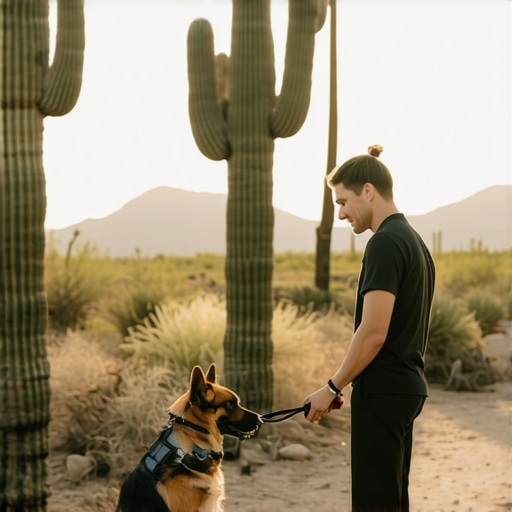
The Truth About Owner-Trained Service Dogs in Arizona
Understanding the Growing Need for Service Dogs
In recent years, the demand for service dogs has surged significantly across Arizona. These specially trained animals provide critical support for individuals with disabilities, offering independence and safety. However, the process of training a service dog isn’t just about basic obedience; it requires a deep understanding of animal behavior, human needs, and legal standards.
What Makes Owner-Training in Arizona Unique?
Arizona’s climate, diverse terrain, and legal landscape create both opportunities and challenges for owner-trained service dogs. Local laws, such as the Americans with Disabilities Act (ADA), set specific standards for service animals, but state and city regulations can add layers of complexity. Moreover, the outdoor environment demands that the training methods incorporate exposure to hot weather, desert terrains, and urban settings.
Why Expert Strategies Matter for Successful Training
While many aspiring service dog owners attempt to train their animals independently, expertise makes a decisive difference. Proper training ensures the dog responds reliably in various situations, maintains focus amidst distractions, and understands its handler’s specific needs. Expert guidance can help navigate legal requirements, avoid common pitfalls, and tailor training programs to fit individual needs.
Mastering Owner-Trained Service Dogs in Arizona: Strategies for Success
Tailoring Training to Arizona’s Unique Environment
Arizona’s climate and terrain demand specialized training approaches. The intense heat requires that dogs be acclimated gradually, starting with early morning or late evening outdoor sessions to prevent overheating. Socialization in urban settings is equally essential, exposing dogs to bustling streets, noisy environments, and diverse stimuli. Such exposure ensures that they maintain focus and composure regardless of external distractions.
Implementing Effective Training Techniques
Utilizing positive reinforcement methods fosters a strong bond between owner and animal while encouraging desirable behaviors. For instance, clicker training paired with treats can reinforce commands like ‘sit,’ ‘stay,’ and ‘heel.’ Consistency and patience are crucial; owners should set aside regular training times to reinforce learned cues. Incorporating real-world scenarios, such as navigating busy crosswalks or ignoring temptations like food on the ground, prepares dogs for everyday independence.
Overcoming Common Challenges with Expert Tips
Many owner-trainers face hurdles such as managing distractions or ensuring reliability in responding to commands. Seeking professional guidance can provide personalized strategies tailored to the dog’s temperament and the handler’s unique needs. For example, local service dog trainers often highlight the importance of early exposure to desert flora and fauna, which can be startling or dangerous if overlooked.
To facilitate field training, some owners utilize community resources or local training groups. Connecting with experienced trainers through reputable programs can accelerate progress and help troubleshoot obstacles. Their insights often include tips on managing environmental variables, such as dust or uneven terrains, which are prevalent in Arizona.
Legal Considerations and Documentation
Understanding Arizona’s legal landscape is vital. Owners should keep detailed training logs, obtain appropriate documentation, and familiarize themselves with the ADA requirements. Proper documentation can be invaluable if your service dog encounters compliance issues or discrimination. Online resources like the Arizona Disability Law Organization offer valuable guidance on maintaining legal compliance and advocating for your rights.
Community Support and Resources
Several local organizations provide support for owner-trained service dogs. Participating in workshops, obedience classes, or support groups can enhance training and offer emotional reassurance. Exploring nearby facilities such as the Arizona Service Dog Association can connect you with experienced trainers and peer networks dedicated to successful service dog training.
Advanced Strategies for Owner-Trained Service Dogs in Arizona
Understanding the Nuances of Arizona’s Environment
Beyond basic training, it’s crucial to incorporate environmental adaptation techniques tailored to Arizona’s unique climate and terrain. Dogs must learn to remain calm amidst intense heat, which can be achieved through gradual heat acclimatization sessions during cooler parts of the day. Additionally, exposure to desert flora, uneven terrains, and urban distractions enhances their resilience and focus in real-world settings.
Implementing Effective Behavior Management
Handling common misconceptions involves reinforcing positive behaviors and proactively managing environmental triggers. For instance, owners should practice desensitization to loud noises or unfamiliar sights, utilizing controlled exposure paired with positive reinforcement. Consistency in commands across diverse environments ensures reliability—even in unfamiliar or challenging situations.
Leveraging Technology and Resources
Utilize advanced tools like GPS trackers, training apps, and behavioral analysis software to monitor progress and identify areas needing improvement. Joining specialized online forums or local support groups provides access to expert advice, latest training methodologies, and shared experiences which are invaluable for overcoming unique challenges in Arizona.
Common Misconceptions Addressed
- Myth: Owner training cannot meet legal standards. Reality: With the right knowledge and techniques, owner-trained service dogs can comply fully with ADA regulations.
- Myth: Only professional trainers can produce effective service dogs. Reality: Dedicated owners, with proper guidance, can successfully train their own service animals.
Step-by-Step Advanced Training Process
- Assessment: Evaluate your dog’s temperament and learning capacity.
- Customized Training Plan: Develop a training plan that addresses specific needs, environment, and challenges.
- Environmental Exposure: Gradually introduce environmental stimuli, including desert landscapes and urban distractions.
- Behavior Reinforcement: Consistently reinforce desired behaviors using positive techniques like clicker training.
- Legal Documentation: Maintain detailed training logs and certifications to substantiate your dog’s training quality.
Incorporating these advanced strategies ensures your owner-trained service dog is reliable, confident, and compliant within Arizona’s diverse environments. Continuous education and seeking expert advice can significantly elevate training outcomes, making the partnership beneficial and sustainable.
Training for Urban and Desert Environments
Arizona’s diverse landscapes demand that service dogs be well-equipped for both urban settings and desert terrains. Successful owner trainers incorporate habitat-specific exercises, such as navigating sandy trails, recognizing desert flora, and handling city noise levels. Regular exposure and positive reinforcement help dogs adapt seamlessly, boosting their confidence across all environments.
Utilizing Emerging Technologies
Innovative tools like mobile training apps, GPS tracking devices, and behavior monitoring software are transforming owner-led training. These technologies provide real-time feedback, track progress, and help troubleshoot behavioral issues promptly. By integrating these advancements, owners can refine their training strategies and ensure consistent performance in complex environments.
Fostering Community and Professional Networks
Connecting with local trainer groups, online forums, and service dog organizations fosters a supportive ecosystem. Sharing experiences, seeking expert advice, and participating in group training sessions can accelerate mastery of training techniques. Building a strong network also facilitates access to resources tailored to Arizona’s unique needs and regulatory landscape.
Policy Updates and Legal Trends
Staying informed about evolving laws and policies impacting service dog training is crucial. Recent updates in federal and state regulations can influence training requirements and rights enforcement. Regularly reviewing resources such as the Arizona Disability Law Organization ensures owners remain compliant and advocate effectively for their service animals.
People Also Ask
How do environmental factors affect service dog training in Arizona?
Environmental factors like heat, dust, and diverse terrains influence training by necessitating acclimatization and exposure to stimuli. Proper preparation helps dogs perform reliably regardless of external conditions, ensuring safety and effectiveness.
Frequently Asked Questions
Can you legally train a service dog yourself in Arizona?
Yes, with proper knowledge of training techniques and legal requirements, owner-trainers in Arizona can successfully train service dogs that meet ADA standards.
What environmental challenges should I consider when training in Arizona?
Arizona’s hot climate, desert terrain, and urban distractions require acclimatization and exposure to diverse settings to ensure your service dog’s effectiveness across different environments.
How important is documentation for owner-trained service dogs?
Maintaining detailed training logs and certifications is essential for legal compliance and advocating for your service dog’s rights in Arizona.
What resources are available for owner-trainers in Arizona?
Local organizations like the Arizona Service Dog Association and online forums provide valuable training support, community connection, and up-to-date legal information.
I found this article incredibly informative, especially the emphasis on environmental exposure tailored to Arizona’s unique climate. Having trained my own dog for mobility support, I can attest that gradually introducing desert terrains and urban distractions made a significant difference in my dog’s reliability and calmness. It’s clear that understanding local environmental factors is crucial, and utilizing technology like GPS trackers can really streamline progress monitoring. Personally, I’ve also benefited from joining local training groups, which provide not just practical tips but also a sense of community and moral support. One thing I wonder about is how other owner-trainers balance heat acclimation with avoiding heat exhaustion. Have any of you found effective ways to keep training safe during the hottest months? I’d love to hear some best practices that might help others ensure safety while still achieving thorough training.
This post highlights some truly critical aspects of owner training in Arizona, especially the need for gradual heat acclimatization and diverse environment exposure. From my own experience living in Phoenix, I’ve found that early morning sessions are best for avoiding the intense heat, which also helps keep the dogs calm and focused. Using cooling mats and ensuring plenty of hydration during breaks has been essential to prevent heat exhaustion. The mention of technology like GPS trackers is a game-changer—I’ve recently started using one, and it’s helped me monitor my dog’s behavior and location during outdoor sessions. I’m curious, does anyone have recommendations for specific tools or methods to maintain high energy levels and focus without risking overheating in the summer? Also, how do you balance socialization in urban areas while keeping safety a priority during extreme heat? Would love to hear how others manage these challenges effectively and safely!
This article really sheds light on the necessity of tailored training approaches for Arizona’s unique environments. I’ve personally trained my service dog in Tucson, and I can confirm that acclimatizing dogs to the heat gradually makes a huge difference in their responsiveness and calmness in outdoor settings. One aspect I found particularly useful was incorporating early morning training sessions, which not only help prevent overheating but also avoid the midday sun’s intensity. I’ve also used cooling vests and ensured frequent hydration breaks, especially during the hotter months. Technology like GPS trackers has been invaluable for monitoring my dog’s location and health metrics during outdoor activities as well. I wonder, for those in hotter climates, how do you ensure your dog stays comfortable and focused during long training sessions in extreme heat? Are there additional gear or methods you’ve found particularly effective for maintaining safety and performance? I’d love to hear more experiences and tips from fellow owner-trainers in desert regions.