
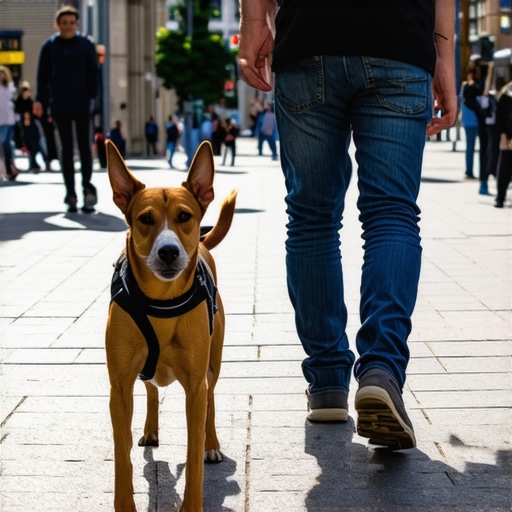
The Truth About Owner-Trained Service Dogs in Arizona
When it comes to securing public access for service dogs, especially those trained by their owners, Arizona stands out as a state with unique rules and opportunities. Owners who train their own service dogs often face a maze of regulations and misconceptions. Understanding the foundational principles is essential for both handlers and the general public to navigate these complexities effectively.
What Makes Owner-Trained Service Dogs Different?
Unlike professionally trained service animals, owner-trained dogs are groomed by their handlers to perform specific tasks that mitigate disabilities. This personalized approach can foster a strong bond, but it also raises questions about legality, training standards, and public perception. In Arizona, laws like the Americans with Disabilities Act (ADA) provide guidelines, but local regulations add layers that owners need to understand thoroughly.
Core Elements of Public Access Rights in Arizona
Arizona law aligns with federal standards, granting disabled individuals the right to be accompanied by their service dogs in most public spaces. However, there are nuances. For instance, business owners can ask whether an animal is a service dog and what tasks it performs, but they cannot request detailed training records or certifications. Understanding these rights helps owners avoid unnecessary disputes and enhances your confidence in public settings.
How Do You Quickly Improve Your Service Dog’s Public Handling?
Many owner-trainers look for quick methods to ensure their dogs are well-behaved in public, minimizing misunderstandings and conflicts. Below are five rapid fixes to improve your dog’s public demeanor:
- Consistent socialization routines
- Basic obedience training reinforcement
- Using positive reinforcement during outings
- Clear cues for sit, stay, and focus
- Practicing exposure to various environments
Incorporating these strategies can significantly boost a service dog’s reliability and reduce the chance of unwelcome incidents. Remember, maintaining a calm, confident handler attitude plays a vital role in how your dog responds during public encounters.
Expert Tips for Enhancing Public Handling of Your Owner-Trained Service Dog in Arizona
Building on the foundational understanding of Arizona’s regulations, practical strategies become vital for owner-trainers aiming to ensure smooth public interactions. While the legal landscape provides broad protections, proactive training and socialization can make a significant difference in day-to-day scenarios. For example, taking your service dog to various settings—grocery stores, parks, or public transit—helps desensitize them to distracting stimuli, fostering reliability and calmness.
Utilize Real-World Scenarios to Reinforce Training
Suppose you’re visiting a busy café. Practice having your dog sit calmly beside you, ignoring food and noise. Consistency in these environments helps your dog associate public outings with expected behaviors. Additionally, introducing unexpected distractions, such as loud noises or unfamiliar people, during training sessions prepares your dog for unpredictable real-world situations. Professional workshops or guided public outings can reinforce these skills effectively.
Leverage Community Resources and Local Support
Arizona boasts numerous organizations dedicated to service dog training and education. Connecting with groups like Arizona Dog Trainer Associations or local veteran service dog programs can provide tailored advice and social opportunities. These communities not only share training tips but also help owner-trainers stay informed about evolving laws and best practices, reducing anxiety around legal compliance.
Case Study: Success Through Consistent Routine and Positive Reinforcement
Take Lisa, a service dog owner from Phoenix, who faced challenges with her dog, Max, in crowded malls. By establishing a routine—short training sessions before outings, combined with positive reinforcement when Max maintained focus—she noticed improvements within weeks. Incorporating treats, praise, and calm verbal cues, Lisa created a reliable
Overcoming Training Challenges with Proven Techniques
While foundational training is essential, advanced owners must understand nuanced tactics to refine their dog’s behavior. Addressing common misconceptions, such as believing that a well-trained dog doesn’t need continued socialization, is crucial. Ongoing exposure to diverse environments ensures reliability and adaptability. Incorporate structured routines, reinforce positive behaviors consistently, and tailor training sessions to simulate real-world scenarios, like crowded markets or noisy events, to build resilience in your service dog.
Common Misconceptions to Avoid
- Certifications Guarantee Lawful Public Access: Certifications alone don’t ensure compliance; understanding federal and state regulations is key.
- Owner-Trained Dogs Are Not Legally Valid: As long as the dog performs disability-related tasks, legality remains intact under the ADA.
- Training Ends After Basic Commands: Continuous socialization and reinforcement are vital for maintaining behavior in dynamic settings.
How-To: Mastering Complex Public Situations
- Simulate Challenging Scenarios: During training, create distractions like loud noises or unfamiliar people to test your dog’s focus.
- Implement Distraction-Training Exercises: Use treats and praise to reward calm behavior amid distractions, gradually increasing difficulty.
- Use Clear, Consistent Cues: Employ distinct commands for different behaviors, ensuring your dog understands expectations in high-stimulation environments.
Harnessing Community and Expert Resources
Leverage local Arizona programs like Arizona Dog Trainer Associations to access workshops, mentorship, and updated legal guidance. Collaborate with veteran service dog organizations for shared experiences and support. Creating a network of informed owners and trainers helps dispel myths and promotes best practices, ensuring your dog remains a reliable helper in any public setting.
Expanding Knowledge: Future Trends and Emerging Topics in Owner-Trained Service Dogs in Arizona
As the landscape of service dog training continues to evolve, particularly in Arizona, several emerging trends and related topics warrant attention for owners and advocates alike. The integration of technology, legislative updates, and community engagement are shaping the future of effective support for individuals with disabilities.
The Role of Technology in Service Dog Training
Innovations such as wearable devices, training apps, and behavior monitoring systems are revolutionizing how owner-trainers approach daily training routines. For example, smart collars can provide real-time feedback on a dog’s focus levels, alerting handlers to potential distractions or stressors. Mobile applications offer step-by-step guidance, tracking progress, and even providing tutorials based on behavior patterns, making training more efficient and accessible.
Legal Developments and Policy Changes
Arizona’s legal framework is continuously adapting to accommodate the increasing prevalence of owner-trained service dogs. Recent legislative proposals aim to clarify the rights of handlers and reinforce public access protections. Staying informed through local advocacy groups, such as regional chapters of the Arizona Dog Trainer Associations, can help owners anticipate legal challenges and advocate for fair policies that recognize the validity of owner-trained animals without unnecessary certification barriers.
Community Building and Peer Support Networks
Developing local and online communities provides invaluable peer support, sharing not only training tips but also experiences navigating Arizona’s unique legal environment. Support groups can organize workshops, meetups, and shared resource pools, fostering a sense of solidarity among owner-trainers. Platforms like social media groups or dedicated forums enable owners to exchange advice, report legislative updates, and celebrate their successes, creating a robust network that benefits both humans and their service dogs.
Emerging Training Methodologies and Standards
New training paradigms that emphasize positive reinforcement, desensitization techniques, and resilience-building are gaining traction. Researchers and experienced trainers are developing standardized modules tailored for owner-trainers, ensuring consistency and efficacy in behavioral development. Incorporating these methodologies helps mitigate common misconceptions, enhances public trust, and promotes the well-being of the service dogs.
Focus on Public Awareness and Education
Public misconceptions persist around what constitutes a legitimate service dog and acceptable behaviors. Future efforts are increasingly directed toward educating businesses, the public, and law enforcement about the realities of owner-trained service dogs. Campaigns and outreach programs, supported by local organizations, aim to dispel myths, emphasize the importance of inclusivity, and reinforce respectful interactions in public spaces.
Specialized Resources for Owners in Arizona
Emerging online platforms and local resource centers offer tailored assistance for Arizona’s owner-trainers. These include workshops, legal clinics, and expert consultations focusing on regional regulations and best practices. Such resources are invaluable for maintaining compliance, improving training outcomes, and ensuring seamless integration of service dogs into public life.
Conclusion: Adapting to a Dynamic Environment
Ultimately, the future of owner-trained service dogs in Arizona hinges on the community’s ability to adapt, innovate, and support one another. Embracing technological advances, staying informed about legal changes, and fostering collaborative networks will enable handlers to provide reliable, well-trained support animals—breaking down barriers and enhancing quality of life for individuals with disabilities.
Frequently Asked Questions
Can I train my own service dog legally in Arizona?
Yes, under the ADA and state laws, individuals are permitted to train their own service dogs as long as the dog performs tasks related to their disability. Ensuring your dog meets behavioral standards and understanding Arizona’s specific regulations will help in exercising your rights effectively.
What should I do if a business questions my service dog?
Remain calm and polite. You can ask if they need clarification on whether your dog is a service animal or what tasks it performs. Remember, business owners can only ask if the dog is a service animal and what tasks it has been trained to do; they cannot require certification or documentation.
How can I improve my service dog’s behavior in public quickly?
Implement quick routines like consistent socialization, reinforcement of basic commands, and controlled exposure to stimuli. Using positive reinforcement and maintaining a confident handler attitude are key to fostering a reliable public demeanor.
Are there resources in Arizona to help with training my service dog?
Absolutely. Organizations like Arizona Dog Trainer Associations and veteran service dog programs offer workshops, mentorship, and legal guidance that can support owner-trainers throughout their journey.
The Bottom Line
Building a successful owner-trained service dog in Arizona combines understanding legal rights, proactive training, and community engagement. By staying informed and utilizing available resources, handlers can ensure their dogs are well-prepared to assist and conduct themselves confidently in public settings.
Take Action Today
Empower yourself with knowledge, connect with local training communities, and continue refining your dog’s skills. Your commitment enhances not only your independence but also sets a positive example for the broader community of service dog handlers.