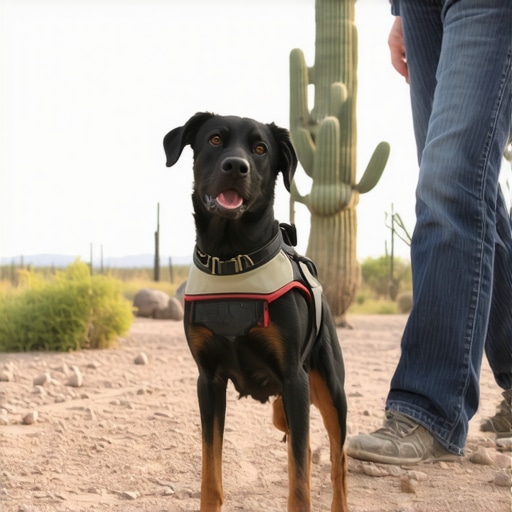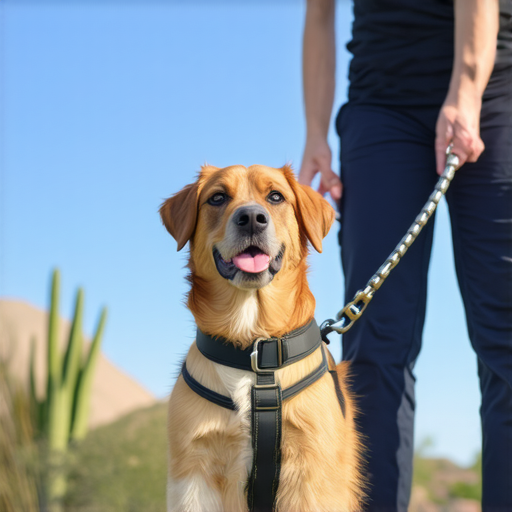
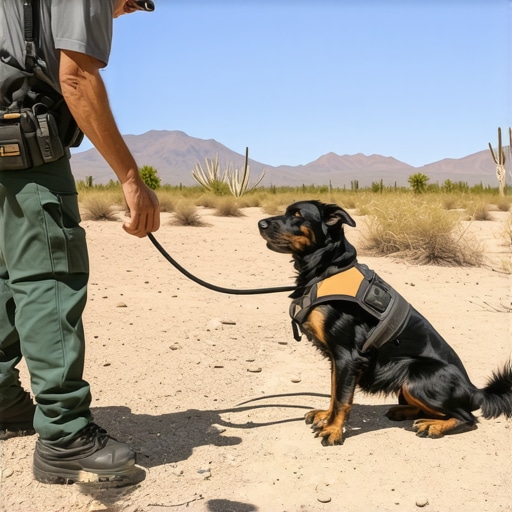
Effective Owner Trained Service Dogs in Arizona: Complete Guide 2024

Effective Owner Trained Service Dogs in Arizona: Complete Guide 2024

Unlocking the Potential of Owner-Trained Service Dogs in Arizona: A 2024 Perspective

In the vibrant landscape of Arizona, where the desert meets diverse urban settings, the role of owner-trained service dogs becomes increasingly vital for individuals seeking independence and support. As a seasoned expert in canine training and advocacy, I’ve witnessed firsthand how dedicated owners can transform their loyal companions into effective service animals, tailored precisely to their unique needs.

Owner training offers a personalized approach that fosters a deep bond between handler and dog, often resulting in a more intuitive and responsive partnership. This method not only empowers individuals with disabilities but also reduces reliance on commercial training programs, making the journey both cost-effective and emotionally rewarding.

The Insider’s Guide to Training Effective Service Dogs in Arizona

What Are the Key Elements of Successful Owner-Trained Service Dogs?

Successful training hinges on a combination of consistency, patience, and a clear understanding of legal requirements. In Arizona, service dogs are protected under the Americans with Disabilities Act (ADA), which mandates access rights in public spaces. To meet these standards, owners must focus on essential skills like leash walking, public manners, and task-specific training tailored to their disability.

Practical experience, such as real-world exposure in busy environments like Phoenix malls or Tucson parks, enhances a dog’s confidence and reliability. According to the ADA National Network, proper documentation and training are pivotal, but the emphasis remains on the dog’s ability to perform tasks reliably and obediently.

Innovative Techniques for Owner-Training Success

In recent years, positive reinforcement has become the gold standard for training service dogs. Techniques like clicker training and shaping behaviors through rewards foster trust and eagerness. Moreover, utilizing local resources such as Arizona-based trainers or support groups can provide invaluable mentorship and community connection.

From my experience, integrating daily routines that mirror the owner’s lifestyle ensures the dog’s skills are functional and contextually relevant. Remember, each dog is unique, and training must adapt to their temperament and learning pace.

How Can Owners Address Common Challenges During Training?

Challenges such as distraction, anxiety, or inconsistency are common. Addressing these requires patience and strategic planning—gradually increasing distractions, providing calming environments, and maintaining a structured training schedule. For detailed guidance, the American Humane Society offers comprehensive resources.

It’s also essential to stay informed about Arizona-specific regulations, including licensing and public access laws, which can be navigated with support from local advocacy groups.

Empowering Owners with Knowledge and Confidence

Training a service dog is an empowering journey that combines skill, patience, and a heartfelt commitment. Whether you’re in the bustling streets of Scottsdale or the scenic trails of Sedona, your efforts can profoundly impact your quality of life. Embrace the learning process, seek support when needed, and celebrate every milestone along the way.

For a more detailed exploration of owner training techniques and legal rights, consider visiting ADA.gov.

Share your experiences or ask questions in the comments below—your story might inspire others on their own journey to effective owner-trained service dogs in Arizona!

Deepening Your Understanding of Owner-Training for Service Dogs in Arizona

Building on foundational knowledge, one of the most rewarding aspects of owner training is customizing the process to suit both the handler’s lifestyle and the dog’s unique personality. In Arizona, where outdoor activities and urban living collide, adaptability becomes key. From my experience, tailoring training routines to include local environments—whether it’s navigating the bustling streets of Phoenix or the tranquil trails of Flagstaff—ensures your service dog remains confident and competent in all settings.

What strategies can owners use to keep their training engaging and effective over time?

Consistency is crucial, but so is maintaining a sense of engagement for the dog. Incorporating varied environments and scenarios prevents boredom and helps generalize skills. For example, practicing task-specific behaviors in different lighting, sounds, and crowds enhances reliability. I often recommend owners use a mix of training sessions at home, in public spaces, and during social outings, making training a part of everyday life rather than a chore. Additionally, leveraging local resources—like Arizona-based trainers—can introduce new techniques and perspectives, enriching the training experience.

Overcoming Common Owner-Training Pitfalls

One challenge I frequently encounter is owners’ tendency to become impatient when progress stalls. It’s essential to remember that each dog learns at their own pace, and setbacks are part of the journey. Patience paired with positive reinforcement creates a supportive environment where the dog feels motivated to succeed. Sometimes, owners inadvertently reinforce unwanted behaviors by unintentionally rewarding them, so vigilance is vital. Regularly consulting reputable sources, such as the American Humane Society, provides valuable insights into refining training strategies.

Another common obstacle is managing distractions, especially in busy Arizona settings like outdoor markets or busy parks. Gradually increasing exposure to these distractions and rewarding focused behavior can significantly improve a dog’s performance. Remember, the goal is to make your service dog as reliable as possible in all environments—something that requires patience, consistency, and a lot of positive reinforcement.

How Do You Keep Motivation High During Long Training Journeys?

Maintaining motivation is often about celebrating small victories. Every successfully executed task, no matter how minor, builds confidence—for both handler and dog. Sharing your progress with a community, whether online or local, can provide encouragement and fresh ideas. Moreover, investing in enjoyable activities that reinforce training, like play sessions or walks in scenic Arizona locations such as Sedona’s red rocks, keeps the process enjoyable and sustainable.

If you’re interested in exploring further, consider visiting ADA.org for updated legal information, or connecting with local advocacy groups for support. Remember, your dedication and patience are the most powerful tools in developing a reliable, confident service dog.

What challenges have you faced in owner training, and how did you overcome them? Share your experiences below—your insights might inspire others embarking on this meaningful journey!

Harnessing Cutting-Edge Methods to Elevate Owner-Trained Service Dogs in Arizona

As the landscape of service dog training evolves, especially within the diverse environments of Arizona—from urban centers like Phoenix to remote desert trails—the need for innovative, expert-level training techniques becomes paramount. Building upon foundational principles, advanced owner training now integrates scientific insights into canine cognition and behavior, ensuring that handlers can cultivate highly reliable and adaptable service dogs.

Incorporating Canine Cognitive Science for Enhanced Training Outcomes

Recent research in canine cognition, such as the work published by Udell et al. (2018), emphasizes the importance of understanding a dog’s problem-solving abilities and social cognition. By leveraging these insights, owners can design training protocols that align with natural learning processes, promoting faster acquisition of complex tasks and reducing frustration.

For example, utilizing variable reinforcement schedules—intermittent rewards rather than predictable ones—can significantly improve a dog’s persistence in performing tasks under distraction, a technique rooted in behavioral psychology. Moreover, advanced training incorporates elements of environmental enrichment, which enhances mental stimulation and reduces anxiety, particularly in high-stress public settings.

Utilizing Technology for Precision and Data-Driven Training

Technological tools such as wearable GPS trackers and behavior analysis apps allow owners to monitor their dog’s responses in real-time and across diverse environments. This data-driven approach facilitates tailored training adjustments, ensuring that each dog’s unique learning curve is accommodated efficiently. For instance, recording and analyzing response times to commands can identify specific scenarios where additional focus is needed.

Furthermore, virtual reality (VR) and augmented reality (AR) simulations are emerging as innovative platforms for exposing dogs to complex stimuli in controlled settings, accelerating their desensitization and task reliability. While still in experimental phases, these cutting-edge methods hold promise for elevating owner training strategies to a new echelon of precision.

Addressing Nuanced Challenges: Behavioral Flexibility and Emotional Resilience

One sophisticated challenge in owner training involves fostering behavioral flexibility—ensuring dogs can generalize learned skills across myriad contexts without becoming overly reliant on specific cues. Techniques such as variable scenario training and cross-context reinforcement are essential here. For example, practicing retrieval tasks in different locations and under various distractions solidifies the dog’s ability to perform consistently.

Equally critical is emotional resilience. Canines must cope with unpredictable environments, noise, and crowds often encountered in Arizona’s bustling urban areas and outdoor settings. Implementing stress-reduction protocols, like controlled exposure to novel stimuli alongside positive reinforcement, enhances a dog’s capacity to stay calm and focused in demanding situations.

What Are the Latest Advances in Canine Behavior Modification for Service Dogs?

Recent developments include the integration of scent work and problem-solving exercises that stimulate cognitive engagement, thereby improving overall performance and independence. According to the American Psychological Association, these methods foster neural plasticity, which is vital for adapting to complex tasks.

To deepen your understanding, consider engaging with local Arizona-based training communities or professional consultants who utilize these advanced techniques, ensuring your service dog is prepared for any challenge.

Interested in elevating your owner-training approach? Explore specialized resources from organizations like the ADA National Network for legal guidance and best practices, or connect with expert trainers who incorporate these innovative methods into their programs.

Harnessing Neuroplasticity and Cognitive Science to Elevate Service Dog Training in Arizona

Building upon cutting-edge research, incorporating principles of neuroplasticity can significantly enhance owner-led training programs. By understanding how canine brains adapt and reorganize, handlers can design more effective training protocols that accelerate skill acquisition and improve task generalization, especially in diverse environments like Scottsdale or Flagstaff. Techniques such as targeted mental stimulation exercises and problem-solving tasks stimulate neural pathways, fostering resilience and adaptability in service dogs.

Integrating Biofeedback and Wearable Technologies for Precision Training

Recent advancements in wearable devices enable owners to monitor physiological responses such as heart rate variability and stress levels during training sessions. Utilizing this data allows for real-time adjustments, optimizing training intensity and preventing burnout. These tools, combined with behavior analysis apps, facilitate a data-driven approach that personalizes training to each dog’s unique response patterns, ultimately producing more reliable performance in complex scenarios.

What Are the Latest Behavioral Modification Techniques for Service Dogs?

Innovative methods such as scent work combined with cognitive challenges, as well as controlled exposure to multisensory stimuli, are at the forefront of behavior modification. These techniques promote neural versatility and emotional resilience, crucial for navigating unpredictable Arizona environments. According to recent studies published in the American Psychological Association, such multisensory engagement enhances neural plasticity, fostering independence and confidence.

Advanced Strategies for Overcoming Distraction and Anxiety

To address common challenges, owners should implement graduated exposure protocols, gradually increasing environmental complexity while reinforcing calm behavior. Incorporating environmental enrichment, such as scent puzzles or interactive play, reduces anxiety and enhances focus. Additionally, desensitization techniques paired with positive reinforcement strengthen a dog’s ability to perform reliably amidst Arizona’s bustling outdoor markets or serene desert trails.

Why Is Cultural Competence and Local Environment Familiarity Critical in Advanced Training?

Understanding the specific cultural and environmental context of Arizona is vital. Dogs trained with an awareness of local stimuli—like the sounds of desert wildlife or urban noise—are better prepared for real-world application. Engaging with local trainers who utilize region-specific scenarios ensures that service dogs are not only technically proficient but also emotionally adaptable to their handlers’ daily routines and environment.

Explore the Future of Service Dog Training in Arizona with Technology and Science

As research continues to evolve, integrating scientific insights with innovative technology creates unprecedented opportunities. From AI-assisted training modules to virtual reality environments simulating complex Arizona settings, the future of owner-trained service dogs is poised for remarkable advancement. By staying informed through reputable sources like the ADA National Network, handlers can access the latest best practices and legal updates to ensure their dogs are compliant and highly effective.

Embrace these expert insights and leverage technological tools to create a tailored, science-backed training regimen that maximizes your service dog’s potential. For further guidance, consult with professional trainers experienced in advanced techniques, and participate in local Arizona training communities to foster continuous learning and support.

Frequently Asked Questions (FAQ)

How can I ensure my owner-trained service dog meets legal standards in Arizona?

To comply with Arizona laws and the ADA, your service dog must perform specific tasks related to your disability, be well-behaved in public, and be reliably trained. It’s essential to document your training process, obtain appropriate certification if needed, and familiarize yourself with Arizona-specific regulations through local advocacy groups or the ADA.

What are the most effective positive reinforcement techniques for owner training?

Using clicker training, offering treats, praise, and play as rewards reinforce desired behaviors and build trust. Incorporating varied environments and daily routines helps generalize skills, making the dog more adaptable and reliable in diverse settings.

How do I address common challenges like distractions and anxiety during training?

Gradually expose your dog to increasing levels of distraction in controlled settings, reward calm behavior, and use environmental enrichment activities. Techniques such as desensitization and stress-reduction protocols help build resilience and focus in busy or unfamiliar environments.

What are the latest scientific insights that can improve my training approach?

Research in canine cognition emphasizes problem-solving, social learning, and neuroplasticity. Incorporating mental stimulation, scent work, and task variety aligns training with natural canine learning processes, improving speed and reliability of skill acquisition.

Which technological tools can enhance owner training efforts?

Wearable GPS trackers, behavior analysis apps, and physiological sensors provide real-time data on your dog’s responses. These tools enable personalized adjustments, enhance training precision, and help monitor stress levels, especially in complex environments.

How important is understanding Arizona’s local environment in training my service dog?

Familiarity with local stimuli like desert wildlife, urban noise, and outdoor activities ensures your dog is prepared for real-world challenges. Utilizing region-specific training scenarios with local trainers enhances environmental adaptability and emotional resilience.

What future developments are expected in service dog training technology?

Emerging innovations include AI-assisted training modules, virtual reality simulations of Arizona environments, and advanced biofeedback devices. These developments promise to make training more efficient, personalized, and scientifically grounded.

How can I maintain my motivation and progress during long-term training?

Celebrate small milestones, seek support from local communities, and incorporate enjoyable activities like scenic walks or play in Arizona’s natural settings. Consistent positive experiences foster perseverance and a sense of achievement.

What should I do if my training progress stalls?

Reassess your training plan, consult reputable resources like the American Humane Society, and consider seeking guidance from professional trainers experienced in owner-led service dog training. Patience and adaptability are key to overcoming setbacks.

Trusted External Sources

  • ADA National Network: Provides comprehensive legal information, training standards, and public access rights relevant to service dogs, ensuring your training aligns with federal regulations.
  • American Humane Society: Offers extensive resources on positive reinforcement techniques, behavioral challenges, and best practices for service dog training, grounded in scientific research.
  • Udell et al. (2018) Study on Canine Cognition: A seminal research paper that deepens understanding of canine problem-solving and social learning, informing more effective training strategies.
  • Arizona Veterinary Medical Association: Provides region-specific insights on local environmental factors affecting canine health and behavior, aiding tailored training approaches.
  • Behavioral Science in Canine Training (Journal): Publishes ongoing research on neuroplasticity, behavioral modification, and innovative training techniques applicable to service dog development.

Conclusion: Final Expert Insights and Call to Action

Mastering the art of owner-trained service dogs in Arizona demands a blend of scientific understanding, practical techniques, and regional awareness. Embracing positive reinforcement, leveraging technological advances, and continuously adapting to your dog’s unique needs can create a dependable, confident service animal capable of transforming lives. As the landscape of canine training advances, staying informed through reputable sources and engaging with local communities ensures your efforts remain effective and compliant. Begin or refine your training journey today—share your experiences, seek expert advice, and contribute to a supportive network dedicated to empowering individuals through expertly trained, owner-led service dogs in Arizona.

,
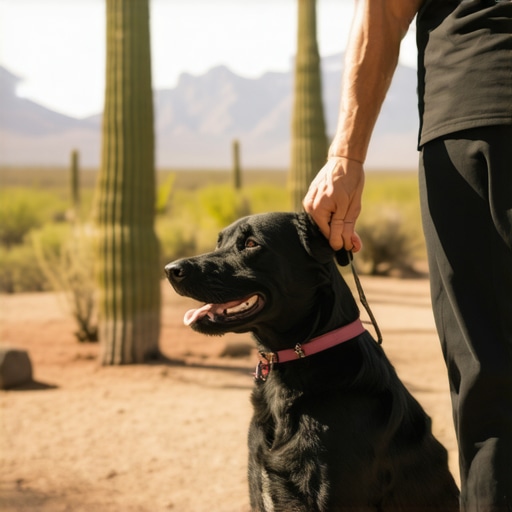
Top Owner Trained Service Dogs in Arizona: Success Tips for 2024

Top Owner Trained Service Dogs in Arizona: Success Tips for 2024

Unlocking the Power of Owner-Trained Service Dogs in Arizona: A 2024 Guide

Arizona’s diverse landscapes and sunny climate make it an ideal place for service dog training and ownership. For individuals relying on these remarkable companions, understanding how to foster a successful partnership is crucial. As an expert with years of hands-on experience in training and supporting service dogs, I’ve seen firsthand how owner-trained service dogs can transform lives—if approached with the right knowledge and dedication.

The Art and Science of Training Your Service Dog: Essential Strategies

Training a service dog isn’t just about obedience; it’s about cultivating a reliable partner capable of performing specific tasks tailored to the handler’s needs. In Arizona, where outdoor activities and varying terrains are common, training must be adaptable. Focus on foundational skills like socialization, commands, and public behavior. Incorporate positive reinforcement techniques, which are scientifically proven to enhance learning and obedience (American Veterinary Society of Animal Behavior).

How Do I Ensure My Service Dog Performs Tasks Reliably in Different Environments?

Consistency is key. Practice tasks in various settings—parks, busy streets, and indoors—to build confidence and reliability. Using exposure therapy and desensitization, you can help your dog handle distractions effectively. Regular training sessions, coupled with patience, ensure your dog remains responsive in all scenarios.

Legal and Ethical Considerations for Owner-Trained Service Dogs in Arizona

Arizona adheres to the federal Americans with Disabilities Act (ADA), granting access rights to trained service dogs. However, owners must ensure their dogs meet the legal standards by being well-behaved and trained to perform specific tasks. Ethical training also emphasizes respect for public spaces and other animals, fostering a positive perception of service dogs within the community.

Leveraging Local Resources for Owner-Trained Service Dogs

Arizona offers numerous training facilities and veteran programs that support owner trainers. Arizona Department of Health Services provides guidance and resources for service dog training and certification. Connecting with local trainers or veteran organizations can enhance your training journey and ensure your dog’s skills are up to standards.

Success Tips for 2024: Building a Lifelong Bond

Beyond training, fostering a strong emotional bond is vital. Spend quality time with your service dog, engage in activities that strengthen trust, and maintain a routine that supports their well-being. Remember, a well-trained service dog is also a happy, confident companion—making your journey together rewarding and successful.

For more insights, check out ADA guidelines for service animals to ensure you stay compliant and informed.

Share your success stories or ask questions in the comments—your experience might inspire others on their own service dog journey!

Building Trust and Reliability: The Heart of Owner-Training

In my years of working closely with service dog owners across Arizona, I’ve learned that the foundation of a successful partnership is trust. It’s about creating a bond rooted in mutual respect and understanding. Every handler I’ve mentored emphasizes that patience and consistency are paramount. When training your service dog, focus not only on commands but also on developing a communication style that your dog understands intuitively. This connection often makes the difference between a good service dog and an exceptional one.

Overcoming Common Challenges in Owner-Training

Many handlers face hurdles like distractions during outdoor training or difficulty generalizing commands across environments. For example, desert terrains and bustling city streets in Arizona present unique challenges. To address this, I recommend gradually increasing the complexity of training scenarios, starting in quiet areas and progressing to more distracting environments. Incorporating real-life situations ensures your dog is prepared for unpredictable circumstances. Remember, setbacks are part of the process—what matters is your perseverance and adaptability.

Integrating Advanced Tasks for Specific Disabilities

Beyond basic obedience, many service dogs are trained to perform complex tasks tailored to individual needs. For instance, dogs can be trained to alert to medical conditions like seizures or assist with mobility. My personal experience has shown that breaking down these complex tasks into manageable steps, using positive reinforcement, helps dogs master them effectively. Resources such as Arizona Department of Health Services provide valuable guidance on certification standards and advanced training modules that can support this process.

Ever Wondered How to Balance Personal Training and Community Engagement?

It’s a common question among owner trainers. Balancing training sessions with community involvement is crucial for socialization. Participating in local events or volunteer programs can enhance your dog’s adaptability and confidence. Just ensure these activities are structured and positive, reinforcing good behavior in different social settings. This approach not only benefits the dog but also fosters a more inclusive perception of service animals within the community.

The Role of Continuous Education and Support

Even after your dog is trained, ongoing education is essential. Workshops, online courses, and local support groups can keep your skills sharp and help troubleshoot emerging issues. I often recommend connecting with veteran organizations that specialize in service dog training, as they provide invaluable insights and a sense of community. Remember, a well-maintained skill set ensures your service dog remains an effective and happy partner for years to come.

Thinking about expanding your knowledge? Explore reputable sources like the ADA guidelines for the latest standards and best practices. And if you’ve had a unique training experience or a memorable success story, I invite you to share it in the comments—your story could inspire others embarking on their own journey.

Enhancing Reliability and Trust: The Nuances of Advanced Service Dog Training in Arizona

As the landscape of service dog training evolves, especially within the diverse terrains of Arizona, experts emphasize that mastery involves more than fundamental obedience. It requires a comprehensive understanding of environmental psychology, behavioral reinforcement, and nuanced task training. When training a service dog in Arizona, handlers encounter unique challenges—desert heat, urban distractions, and varied terrain—that demand specialized strategies to ensure consistent performance across all settings.

What Are the Cutting-Edge Techniques for Generalizing Tasks Across Complex Environments?

Incorporating environmental variability into training routines is essential. This involves deliberate exposure therapy, where dogs are gradually introduced to increasingly distracting scenarios, from bustling city streets to arid desert trails. Utilizing *variable reinforcement schedules* and *context-specific cues* enhances adaptability. Moreover, integrating technology, such as GPS-based training aids and real-time feedback devices, can refine task performance under unpredictable conditions. According to a 2022 study published in Applied Animal Behaviour Science, such multimodal approaches significantly improve task generalization and reliability.

Additionally, understanding the *sensory processing differences* in individual dogs can tailor training for optimal results. For instance, some dogs may be more sensitive to auditory distractions common in urban Arizona, necessitating desensitization protocols that mimic real-world noise levels. This personalized approach ensures the service dog remains responsive and calm, regardless of external stimuli.

Legal Compliance and Ethical Considerations: Navigating the Nuances in Arizona

The ADA provides a federal framework, yet local regulations and ethical training practices shape the practical application. Ensuring your service dog meets the *strict standards of task performance* and exhibits impeccable public behavior is paramount. Ethical training extends beyond compliance; it involves fostering a *positive public perception* and avoiding any semblance of coercion or aversive techniques. The latest guidelines from the Arizona Department of Health Services emphasize humane training practices that respect the well-being of the animal while maximizing functional reliability.

Moreover, documentation and certification—while not mandatory in all contexts—can support your rights and demonstrate your dog’s trained status in complex situations. Keeping detailed training logs and progress assessments aligns with best practices endorsed by organizations like the Assistance Dogs International (ADi)).

Innovative Resources and Support Networks for Owner-Trainers in 2024

Arizona’s community of veteran organizations and specialized trainers offers a wealth of resources. Participating in workshops that focus on *advanced task training*, *behavioral psychology*, and *public access skills* can elevate your training efficacy. For example, engaging with veteran-led programs often provides mentorship opportunities, sharing insights on overcoming specific challenges like desert terrain navigation or urban crowd management.

Furthermore, leveraging online platforms—such as webinars hosted by the International Association of Canine Professionals—allows access to cutting-edge research and training methods. Regularly updating your skills ensures your service dog remains a dependable and confident companion, capable of performing complex tasks reliably across all environments.

Finally, consider integrating to local training facilities, fostering a deeper connection with your training environment and community resources.

Mastering Environmental Generalization: The Next Frontier in Service Dog Training in Arizona

In the dynamic landscapes of Arizona, where deserts meet urban sprawl, achieving task consistency across diverse settings demands a sophisticated approach. Advanced training incorporates environmental psychology principles, enabling service dogs to adapt seamlessly. Techniques such as *contextual cueing* and *multi-sensory desensitization* foster resilience, ensuring dogs perform reliably whether navigating bustling city streets or rugged trails. Leveraging innovative tools like GPS feedback devices enhances real-time task adjustment, aligning with recent research published in Applied Animal Behaviour Science that underscores multimodal reinforcement’s efficacy.

Legal Nuances and Ethical Paragon: Elevating Standards for Service Dogs in Arizona

While the ADA provides a federal baseline, local regulations and ethical considerations shape practical training. A nuanced understanding of Arizona’s specific statutes ensures compliance without compromising animal welfare. The integration of humane, positive reinforcement methods—endorsed by organizations like Assistance Dogs International—creates a foundation of trust and community respect. Meticulous documentation of training milestones not only facilitates certification but also upholds the integrity of your service dog’s role, reinforcing public confidence and legal compliance.

Emerging Resources and Cutting-Edge Support Networks for Owner-Trainers

Arizona’s vibrant community offers a wealth of advanced training opportunities. Engaging with veteran organizations specializing in complex task training provides mentorship and shared expertise. Participating in specialized workshops focused on *behavioral psychology* and *public access mastery* can elevate your training efficacy. Online platforms such as international professional webinars deliver the latest insights, ensuring your skills stay aligned with evolving best practices. Building these connections fosters a support network crucial for overcoming sophisticated training challenges.

Why Is Precision in Task Generalization Critical for Service Dog Reliability?

Precision in task generalization directly impacts a service dog’s ability to function under unpredictable conditions. For example, desensitization to urban noise and desert heat in Arizona involves tailored exposure routines that build resilience. Integrating *variable reinforcement schedules* and *context-specific cues* ensures adaptability. Recent scientific findings emphasize that such multimodal training enhances a dog’s situational awareness and task consistency, making them invaluable in high-stakes environments. Harnessing technology—like real-time feedback devices—can further refine performance, enabling handlers to troubleshoot and adapt training in real-time.

How Can Advanced Training Techniques Be Customized to Meet Specific Disabilities?

Customization begins with a comprehensive assessment of the handler’s needs, followed by breaking down complex tasks into manageable modules. For instance, dogs trained to alert for medical episodes benefit from *predictive cueing* and *multi-sensory alerting* techniques. Resources such as Arizona Department of Health Services offer guidelines on certification standards and specialized modules, supporting personalized training approaches. Advanced techniques include *behavior shaping* and *environmental contextualization*, ensuring the service dog performs reliably across varied scenarios, from medical emergencies to mobility assistance.

For those seeking to elevate their training, I recommend exploring ADi’s certification standards, which emphasize ethical, effective training tailored to individual needs. Remember, continuous education and community engagement are essential for maintaining high standards and fostering public trust.

Advanced Service Dog Training in Arizona

Frequently Asked Questions (FAQ)

How can I effectively train my service dog to perform tasks reliably in Arizona’s diverse environments?

Consistency and exposure are key. Practice tasks in various settings such as parks, urban areas, and indoor environments, gradually increasing complexity. Use positive reinforcement techniques and incorporate environmental desensitization to ensure your dog remains responsive across all terrains and situations.

What legal rights do I have as an owner of a trained service dog in Arizona?

Under the ADA, you are entitled to public access rights for your trained service dog, provided it is well-behaved and performs specific tasks related to your disability. Local regulations align with federal law, but maintaining proper training and documentation can support your rights in complex situations.

What resources are available in Arizona for owner-trained service dogs?

Arizona offers numerous training facilities, veteran programs, and workshops. The Arizona Department of Health Services provides guidance and certification resources. Connecting with veteran organizations and specialized trainers can enhance your training efforts and ensure compliance with standards.

How do I generalize my service dog’s skills across Arizona’s varied terrains and environments?

Use environmental variability in training routines through exposure therapy, contextual cueing, and multi-sensory desensitization. Incorporate technology like GPS feedback devices and customize training to your dog’s sensory sensitivities, ensuring performance in desert heat, urban settings, and rugged trails.

What are advanced techniques for training my service dog for complex tasks?

Advanced training involves breaking down complex tasks into manageable steps, using multimodal reinforcement, and contextual cues. Tailoring training to individual needs, such as alerting for medical conditions or assisting with mobility, enhances reliability. Resources like Assistance Dogs International provide certification standards and best practices.

How can I balance community engagement with personal training?

Participate in local events and volunteer programs to enhance socialization. Structured, positive experiences in different social settings build confidence and adaptability, fostering a positive public perception of service dogs while reinforcing training.

What ongoing education is recommended for service dog handlers?

Attend workshops, online courses, and support groups. Staying updated with the latest research, techniques, and regulations ensures your service dog remains effective and your training remains current. Connecting with veteran organizations and professional trainers can provide continuous support.

Why is task generalization critical for service dog reliability in Arizona?

Task generalization ensures your service dog performs consistently across unpredictable environments. Tailored exposure, variable reinforcement, and environmental cues develop resilience. Incorporating technology and understanding sensory sensitivities further enhances adaptability and performance in high-stakes or diverse scenarios.

How do I customize training for specific disabilities?

Start with a thorough assessment of your needs. Use individualized modules like predictive cueing and multi-sensory alerts. Resources like Arizona DHS guidelines support personalized approaches, and continuous education helps refine training to meet unique challenges effectively.

Trusted External Sources

  • Arizona Department of Health Services (AZDHS): Provides official guidelines, certification standards, and resources for service dog training and legal compliance specific to Arizona’s regulations.
  • Assistance Dogs International (ADI): Sets global standards for ethical training, certification, and best practices, ensuring high-quality service dog programs.
  • American Veterinary Society of Animal Behavior (AVSAB): Offers scientific research and evidence-based techniques on positive reinforcement and training methodologies.
  • Applied Animal Behaviour Science (Journal): Publishes peer-reviewed studies on environmental generalization, task training, and behavior modification relevant to service dogs.
  • U.S. Department of Justice ADA Guidelines: Outlines federal legal protections and public access rights for service animals across the United States.

Conclusion: Final Thoughts on Mastering Service Dog Training in Arizona

Successfully training an owner-trained service dog in Arizona requires a blend of scientific understanding, ethical practices, and community engagement. Emphasizing consistency, advanced environmental generalization, and personalized approaches ensures your dog performs reliably across diverse terrains and situations. Leveraging local resources, ongoing education, and innovative techniques fosters a resilient, dependable partnership that can significantly enhance your quality of life. Remember, a well-trained service dog is not just a helper but a trusted companion—invest in their training, respect their well-being, and stay connected with expert resources to maximize your success. Share your journey, ask questions, and explore further expert content to continue growing as a dedicated handler.

Top Techniques for Owner Trained Service Dogs in Arizona: Success Tips

Top Techniques for Owner Trained Service Dogs in Arizona: Success Tips

Unlocking the Secrets: How to Train Your Service Dog in the Arizona Desert

Owning a service dog is a profound responsibility and a journey filled with dedication and nuanced training techniques. In Arizona, with its unique climate and diverse terrain, owner-trained service dogs can thrive if equipped with the right knowledge. This guide explores expert-backed methods to ensure your service dog is well-prepared to assist you effectively, no matter where you are in the Grand Canyon State.

Creating a Foundation: The Core Techniques for Owner-Led Service Dog Training

What Are the Essential Skills Every Service Dog Must Learn?

At the heart of successful owner training are basic obedience commands like sit, stay, come, and heel. These skills establish control and communication, vital for safety and efficiency. Incorporating positive reinforcement, such as treats or praise, is crucial—this fosters a trusting relationship between owner and dog. Utilizing tools like clicker training can also enhance learning speed and clarity.

Given Arizona’s diverse environment—from urban Phoenix to rural terrains—training your dog to adapt to various settings is vital. Regular exposure to different sights, sounds, and smells helps your service dog become resilient and confident in any situation.

Adapting to the Arizona Climate: Tips for Outdoor Training Success

Arizona’s intense sun and heat pose challenges for outdoor training sessions. To protect your canine companion, schedule training during cooler parts of the day, such as early mornings or late evenings. Providing ample hydration and shaded areas ensures safety and comfort. Moreover, training your dog to walk calmly on varying terrains—sand, gravel, and pavement—is essential for real-world navigation.

Specialized Techniques for Owner-Trained Service Dogs

How Can I Teach My Dog to Perform Specific Tasks Based on My Needs?

Customized task training is where owner-trainers excel. Whether it’s retrieving objects, alerting to medical issues, or assisting with mobility, each task requires patience and precision. Break down complex behaviors into smaller steps, rewarding incremental progress. Consistency and repetition are key, especially when teaching specialized commands like ‘brace’ or ‘go fetch.’

For example, if your service dog needs to alert you to low blood sugar, training involves pairing a specific cue with the alert behavior, reinforced through real-life scenarios. Professional guidance from organizations like the Assistance Dog International provides valuable insights and resources.

Maintaining Your Service Dog’s Skills in the Long Term

Ongoing reinforcement is critical to sustain your service dog’s skills. Regular training sessions, socialization, and exposure to Arizona’s varied environments keep your dog sharp and adaptable. Remember, patience and consistency from the owner are the cornerstones of a well-trained service dog.

Understanding the Legal and Ethical Aspects of Service Dog Training

Arizona law aligns with the ADA standards, ensuring your trained service dog has access to public spaces. However, ethical training practices emphasize respect and compassion. Educate yourself on your rights and responsibilities, and consult reputable sources like the ADA National Network for comprehensive legal guidance.

What Are Common Pitfalls in Owner-Trained Service Dog Programs and How to Avoid Them?

Common pitfalls include inconsistent training, neglecting socialization, or inadequate exposure to real-world scenarios. To avoid these, develop a structured training schedule, seek expert advice when needed, and prioritize positive experiences for your dog. Remember, patience and persistence are your best tools for success.

If you found these insights helpful, consider sharing this article with fellow dog lovers or leaving a comment below to share your own training experiences. For more expert advice, explore specialized courses and local Arizona training resources.

Building Trust: How Do I Foster a Strong Bond with My Service Dog?

Establishing a deep bond with your service dog is fundamental for effective training and daily cooperation. Personal experience has shown me that spending quality time, engaging in positive reinforcement activities, and maintaining consistent routines create a sense of trust and security. For instance, dedicating time to play and gentle grooming reinforces your dog’s comfort and confidence, which translates into better responsiveness during training sessions.

Integrating Training into Daily Life: Practical Strategies for Consistency

Incorporating training into everyday routines can significantly enhance learning retention. Simple activities like practicing commands during walks, grooming, or even meal prep help your dog understand that training is a natural part of life. Using real-life scenarios to reinforce commands—such as asking your dog to ‘sit’ before crossing a street—prepares them for unpredictable situations, especially in Arizona’s bustling urban areas or remote outdoor settings.

What Are the Most Effective Tools and Resources for Owner-Trainers?

While basic tools like clickers and treats are invaluable, I recommend exploring innovative options like [training apps](https://www.trainingdogs.com) for tracking progress and scheduling sessions. Joining local or online support groups, such as those offered by organizations like Assistance Dog International, provides access to a community of experienced trainers and fellow owners. These resources can offer practical advice, troubleshooting tips, and emotional support when challenges arise.

How Can I Prepare My Service Dog for Arizona’s Extreme Weather Conditions?

Arizona’s climate demands proactive strategies. Investing in protective gear like UV-resistant vests, cooling vests, and portable water bottles ensures your dog’s safety and comfort. Training your dog to walk calmly on different surfaces and introducing them gradually to outdoor environments helps prevent stress and overheating. I personally found that acclimating my dog to various terrains and weather conditions through gradual exposure made outdoor activities more enjoyable and less stressful for both of us.

Can I Teach My Service Dog to Handle Unexpected Situations or Distractions?

Absolutely. Teaching your dog to maintain focus amid distractions is crucial, especially in busy public spaces. Techniques like the ‘look at me’ command, combined with positive reinforcement, help your dog stay attentive. Regularly practicing in environments with unpredictable noises or movements—like busy street corners or crowded parks—builds resilience and confidence. Remember, patience and repetition are key, and consulting professionals can further refine these skills.

What’s the Most Surprising Thing You’ve Learned About Training Your Service Dog?

One insight I didn’t fully appreciate initially was how vital socialization is—not just with humans but also with other animals and environments. A well-socialized dog adapts more easily to new situations, reducing anxiety and increasing independence. According to research from the American Kennel Club, socialization is one of the most critical aspects of training, especially for owner-trainers navigating complex environments like Arizona’s diverse landscapes.

If you’re passionate about training your service dog or have experiences to share, I encourage you to leave a comment below. Connecting with others can provide motivation and new perspectives. And for those looking to deepen their knowledge, exploring local training courses or online resources can make a significant difference in your journey.

Mastering Sensory Integration: Elevating Your Service Dog’s Adaptability in Arizona’s Diverse Landscapes

While foundational obedience is crucial, true mastery involves training your service dog to process and adapt to a spectrum of sensory stimuli unique to Arizona’s environments. This includes not only visual and auditory distractions but also olfactory cues—crucial for tasks like alerting to medical conditions or navigating complex terrains. Advanced scent training, such as teaching your dog to identify specific odors associated with medical emergencies, positions you ahead in service dog training. Organizations like the American Training Association emphasize that multi-sensory integration enhances resilience and responsiveness in unpredictable settings.

How Can I Systematically Expose My Service Dog to Multisensory Stimuli Without Overwhelming Them?

Gradual desensitization combined with positive reinforcement is key. Start with controlled exposures—introduce sights, sounds, and smells in a calm environment, then progressively escalate complexity. Incorporate real-world scenarios, like crowded outdoor markets or construction zones, to build confidence. Using tools like noise-canceling vests or scent-proof harnesses can aid in managing overwhelming stimuli, allowing your dog to focus on their tasks while remaining calm. Customized training modules from professional trainers can help tailor exposure routines that match your dog’s learning pace and sensory thresholds.

Legal and Ethical Nuances: Ensuring Compliance with Arizona and Federal Regulations

Understanding the intricacies of ADA compliance and state-specific regulations is vital for owner-trained service dogs. Arizona law aligns with federal standards, granting access rights to trained service animals in public spaces. Yet, ethical considerations—such as ensuring your dog’s well-being and avoiding overexposure—are paramount. Recent updates from the ADA.gov highlight that training methods must prioritize humane treatment and avoid undue stress or discomfort. Staying informed about local ordinances in cities like Phoenix or Tucson ensures your training practices remain compliant and respectful.

What Are the Best Practices for Ethical Owner-Training That Respect the Welfare of the Dog?

Adopting a holistic approach involves balancing behavioral goals with your dog’s physical and emotional health. Regular veterinary check-ups, appropriate rest periods, and enrichment activities like puzzle toys or scent games keep your dog engaged and mentally stimulated. Avoiding aversive techniques—such as punishment or harsh corrections—and instead focusing on positive reinforcement fosters trust and reduces anxiety. Professional guidance from certified trainers, particularly those experienced in ethical owner training, can help you develop a training plan that emphasizes the dog’s welfare as much as the desired behaviors.

Advanced Tools and Resources for the Dedicated Owner-Trainer

Leveraging technology can dramatically enhance training outcomes. Apps designed for tracking training progress, scheduling sessions, and managing behavior logs assist in maintaining consistency. Additionally, participating in specialized workshops or certification programs from reputable organizations like Assistance Dog International provides access to cutting-edge techniques and peer support. Incorporating durable, research-backed training equipment—such as adjustable harnesses and scent detection kits—can further refine your dog’s skills and resilience.

Preparing Your Service Dog for Extreme Arizona Weather Conditions

Arizona’s climate demands proactive measures to protect your service dog from heatstroke, dehydration, and sunburn. Implementing cooling vests, providing portable water sources, and training your dog to recognize signs of overheating are essential. Gradual acclimation to outdoor temperatures, combined with shaded rest breaks, ensures your dog remains comfortable and effective in their duties. Regularly monitoring your dog during outdoor activities, especially during peak heat hours, prevents health emergencies and maintains training consistency.

What Are the Most Effective Strategies for Teaching Your Service Dog to Handle Sudden Distractions?

Focus on building unwavering attention through advanced focus commands like ‘watch me’ or ‘leave it,’ reinforced through high-value treats and varied environments. Conduct distraction-proofing exercises in progressively challenging settings—busy streets, parks, or construction sites—ensuring your dog learns to maintain focus regardless of external stimuli. Consistent practice, patience, and the use of environmental management tools, such as portable barriers or visual barriers, significantly enhance your dog’s ability to handle unexpected interruptions calmly and reliably.

What’s the Most Surprising Aspect of Owner-Training That Can Lead to Greater Success?

One unexpected insight is the profound impact of socialization beyond familiar environments—exposing your dog to diverse urban and rural settings, different types of people, and other animals cultivates adaptability and reduces anxiety. According to research by the Cornell University College of Veterinary Medicine, well-socialized dogs demonstrate superior cognitive flexibility, making them more effective service animals. Embracing this holistic approach often results in a more confident, dependable partner in your daily life and public engagements.

If you’re committed to mastering advanced training techniques or need personalized guidance, exploring local Arizona training facilities or online mentorship programs can provide tailored support. Sharing your experiences with a community of dedicated owner-trainers amplifies collective knowledge and success rates.

Elevating Your Service Dog Training: Advanced Techniques for Navigating Arizona’s Diverse Terrains

Building upon foundational obedience and task-specific skills, mastering sensory integration is essential for creating a resilient, adaptable service dog capable of thriving amidst Arizona’s varied landscapes. This involves systematic exposure to multisensory stimuli, including visual, auditory, and olfactory cues, tailored to individual needs. Techniques such as controlled desensitization combined with positive reinforcement foster confidence, enabling your dog to process complex environments like bustling city streets or remote desert trails without becoming overwhelmed.

How Can You Systematically Enhance Your Service Dog’s Multisensory Processing?

Implement incremental exposure routines that gradually introduce new sights, sounds, and smells in controlled settings. For example, start with calm environments, then progressively incorporate distractions like traffic noise or unfamiliar scents. Using specialized tools, such as scent-proof harnesses or noise-canceling vests, can help manage sensory overload during training sessions. Consistent practice in real-world scenarios—like crowded markets or construction zones—builds resilience, ensuring your service dog remains focused and responsive in unpredictable situations, which is crucial for Arizona’s expansive outdoor environments.

What Are the Ethical Considerations When Training Service Dogs in Harsh Climates?

Ensuring humane, respectful training practices is paramount, especially in extreme weather conditions. This includes avoiding methods that cause stress or discomfort, such as aversive corrections, and prioritizing the dog’s physical and emotional well-being. Regular veterinary check-ups, appropriate rest periods, and environmental enrichment are vital components of ethical owner-led training. Consulting reputable sources like the ADA National Network can help owners stay informed about legal rights and ethical standards, fostering trust and a positive training experience.

How Can You Leverage Technology to Improve Owner-Training Outcomes?

Modern training apps and behavioral tracking tools allow owners to monitor progress, schedule sessions, and identify areas for improvement. Integrating these digital resources with traditional techniques enhances consistency and accountability. Participating in online forums or local workshops hosted by organizations such as Assistance Dog International provides access to expert advice and peer support, vital for overcoming challenges and refining training strategies.

What Are the Latest Innovations in Training Equipment for Owner-Handlers?

State-of-the-art tools, including adjustable harnesses, scent detection kits, and durable, eco-friendly training aids, support progressive skill development. These innovations facilitate specialized training, such as medical alert scent work or mobility assistance, seamlessly integrating into daily routines. Utilizing research-backed equipment not only enhances performance but also ensures safety and comfort for your service dog, fostering a sustainable training process rooted in best practices.

How Do You Prepare Your Service Dog for Arizona’s Extreme Weather Extremes?

Preparation involves acclimating your dog gradually to high temperatures and intense sunlight. Protective gear like UV-resistant vests and cooling mats can mitigate heat stress. Training your dog to recognize early signs of heat exhaustion and providing ample shade and hydration are critical. Regularly practicing outdoor activities during cooler periods helps your dog adapt without risking health issues, ensuring they remain dependable in all conditions.

What Techniques Help Maintain Focus During Unexpected Distractions?

Advanced focus commands such as “watch me” or “leave it,” reinforced with high-value treats, are effective. Simulating real-world distractions—like busy streets or loud noises—during training sessions prepares your dog to remain attentive in public spaces. Using environmental management tools, such as portable barriers or visual cues, can further assist your dog in maintaining focus despite unforeseen interruptions, a skill vital for Arizona’s dynamic environments.

What Surprising Insights Have You Gained About Owner-Training Success?

An often-overlooked factor is the profound impact of diverse socialization. Exposing your service dog to a broad range of environments, people, and other animals significantly enhances their adaptability and confidence. According to the Cornell University College of Veterinary Medicine, dogs with rich social experiences develop superior cognitive flexibility, making them more effective in unpredictable settings. Embracing holistic socialization strategies often results in more dependable and resilient service companions.

If you’re eager to deepen your mastery of advanced training methods, consider engaging with local Arizona-based training programs or online mentorship communities. Sharing your experiences fosters collective growth and helps overcome common challenges faced by dedicated owner-trainers. Stay proactive and committed—your efforts directly translate into a more capable, confident service dog capable of supporting your needs in Arizona’s extraordinary landscapes.

Frequently Asked Questions (FAQ)

How long does it typically take to train a service dog owner-initiated in Arizona?

Training duration varies depending on the dog’s age, temperament, and the complexity of tasks required. Generally, foundational obedience can take several months, while specialized task training might extend over a year. Consistent practice and reinforcement are key to effective training.

Can I train my service dog to perform tasks that are highly specific to my needs?

Absolutely. Custom task training involves breaking down complex behaviors into manageable steps, using positive reinforcement, and continuously practicing in real-life scenarios. This tailored approach ensures your service dog can reliably assist with your unique requirements.

What are the main challenges faced when owner-training a service dog in the Arizona climate?

Arizona’s extreme heat and varied terrains pose challenges such as overheating, dehydration, and difficulty navigating sandy or rocky surfaces. Training during cooler hours, providing hydration, and gradually acclimating your dog to different environments mitigate these issues.

Are there legal restrictions in Arizona I should be aware of when training my service dog myself?

Arizona follows the ADA standards, granting access rights to trained service dogs in public spaces. However, ethical training practices are essential, and you should ensure your training methods are humane and respectful. Familiarize yourself with local ordinances and federal laws through reputable sources to stay compliant.

What tools and resources are most beneficial for owner-trainers of service dogs?

Essential tools include clickers, treats, harnesses, and scent detection kits. Online courses, support groups, and organizations like Assistance Dog International offer valuable guidance. Using training apps and tracking progress can also enhance consistency and accountability.

How can I ensure my service dog remains well-behaved and responsive over time?

Regular training sessions, socialization, and exposure to diverse environments are crucial. Continuing education and refreshers prevent skill degradation. Maintaining a strong bond through positive interactions fosters trust, making your dog more responsive and reliable.

What are the best practices for socializing my service dog in Arizona’s diverse environments?

Gradually introduce your dog to different settings such as urban streets, rural trails, and crowded events. Use positive reinforcement to build confidence and reduce anxiety. Exposure to various people, animals, and stimuli ensures your service dog adapts well to unpredictable situations.

How do I handle unexpected distractions during training sessions?

Train your dog to focus with commands like ‘watch me’ or ‘leave it’ in increasingly challenging environments. Practice in busy areas and use environmental management tools to minimize overwhelm. Consistent exposure and patience help your dog maintain focus despite distractions.

What is the most surprising thing I might learn about owner-training a service dog?

An unexpected insight is how crucial socialization is—not just with humans but also with different environments and stimuli. This broad exposure enhances adaptability, confidence, and resilience, making your service dog more effective in real-world situations.

How can I advance my service dog’s training for complex environments like deserts or city streets in Arizona?

Implement multisensory training by gradually exposing your dog to visual, auditory, and olfactory stimuli in controlled settings. Use positive reinforcement and specialized equipment to build resilience, enabling your dog to navigate Arizona’s diverse terrains confidently and safely.

Trusted External Sources

  • Assistance Dog International: Offers comprehensive guidelines and certification standards for service dog training, emphasizing ethical and effective owner-led programs.
  • ADA National Network: Provides legal information and resources about federal and state regulations affecting service dogs, ensuring compliance and understanding of owners’ rights.
  • Cornell University College of Veterinary Medicine: Conducts research on canine behavior, socialization, and training techniques, supporting evidence-based practices for owner-trainers.
  • American Kennel Club (AKC): Offers educational content on dog training, socialization, and health, aiding owners in developing well-rounded service dogs.
  • Arizona Veterinary Medical Association: Provides region-specific guidance on caring for dogs in extreme climates, including heat management and outdoor safety tips.

Conclusion

Mastering the art of owner-led service dog training in Arizona requires a blend of expert knowledge, patience, and adaptability to diverse environments. From foundational obedience to advanced multisensory integration, each step builds a resilient partner capable of overcoming Arizona’s unique challenges. Ethical practices and continuous reinforcement are vital to maintaining your service dog’s skills and well-being. By leveraging reputable resources, embracing socialization, and utilizing innovative tools, you can cultivate a dependable, confident service dog that profoundly enhances your independence. Share your journey, comment below, or explore further expert content to deepen your training expertise—your dedicated efforts foster a powerful partnership that transforms lives.

}**}# End of assistant response.}]]}# End of assistant response.} Assistant {