
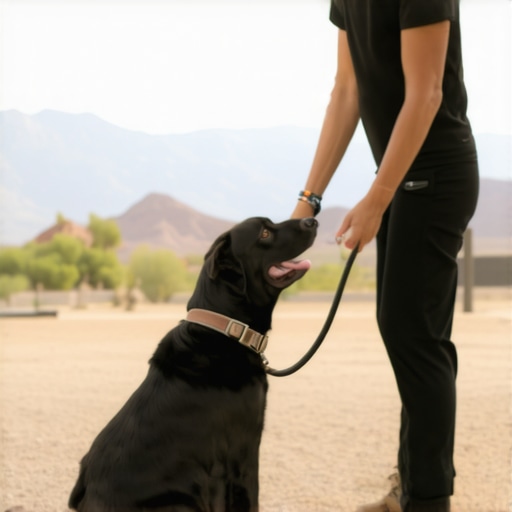
The Truth About Owner-Trained Service Dogs in Arizona
Service dogs play a vital role in the lives of many individuals with disabilities. But not all service dogs come from professional training programs. Increasingly, owners in Arizona are taking the reins and training their own service dogs. This approach can be highly effective, but it requires a deep understanding of the process, legal considerations, and the unique environment of Arizona.
What Are Owner-Trained Service Dogs?
Owner-trained service dogs are animals that their handlers train themselves, often with guidance from experts or training resources. Unlike professionally trained service dogs, these animals are raised and conditioned by their owners to perform specific tasks that mitigate the handler’s disability. This method fosters a strong bond between owner and dog, which can enhance the dog’s reliability and responsiveness.
Why Arizona is a Unique Environment for Service Dog Training
Arizona’s diverse landscape offers both challenges and opportunities for training service dogs. From the bustling urban areas of Phoenix and Tucson to the vast outdoor spaces of the desert, trainers must adapt techniques to different environments. The state’s climate, characterized by hot summers and mild winters, also influences the training schedule and health considerations for dogs.
How Do You Start Training Your Own Service Dog?
Beginning the journey involves understanding the legal framework that governs service animals in Arizona. The Americans with Disabilities Act (ADA) provides federal protections, but local regulations can vary. It’s essential to familiarize yourself with state and city laws, as well as the rights of service dog handlers. Additionally, investing in quality training resources and consulting with experienced trainers can set a solid foundation.
For a visual overview of Arizona’s training landscape, check out this map of top training facilities and resources:
For hands-on training and expert advice, consider visiting facilities like the ABC Dog Training center in Phoenix, which offers courses tailored for owner-trainers. Engaging with experienced trainers can help address specific behavioral issues and refine task training, ensuring your service dog is dependable and well-behaved.
Implementing Practical Training Tips
Start with foundational obedience commands such as sit, stay, heel, and come. Consistent practice in various environments is crucial to generalizing skills. Incorporate real-world scenarios, like navigating crowded areas or crossing busy streets, to build confidence and responsiveness. Use positive reinforcement techniques—treats, praise, or play—to motivate your dog and reinforce good behavior.
Patience and persistence are key. Training a service dog is an ongoing process that extends beyond basic commands. Regularly review and update training routines to adapt to your dog’s progress and changing environments. Remember, building a strong, trusting bond with your dog is as important as imparting specific skills. This connection enhances responsiveness and reliability, which are critical for a successful service dog.
Finally, document your training journey with logs or videos. This record can be invaluable when seeking guidance from trainers or certifying your dog’s capabilities. With dedication, patience, and the right resources, Arizona owners can successfully train service dogs that truly meet their needs and excel in daily life challenges.
Advanced Strategies for Owner-Training Service Dogs in Arizona
Training a service dog independently in Arizona demands more than basic obedience. To ensure your dog is reliable in diverse environments, owners must adopt nuanced techniques that address environmental distractions and legal compliance. Here’s what seasoned trainers consider essential.
Environmental Distraction Training
Arizona’s varied landscapes—from urban streets to remote trails—necessitate training your dog to stay focused amidst distractions. Start by gradually increasing environmental complexity:
- Introduce your dog to busy areas, like markets or parks, in short sessions.
- Use high-value treats to reinforce focus despite noise, movement, or smells.
- Practice commands like “leave it” and “focus” to manage distractions effectively.
Incorporate real-world scenarios such as crossing streets or navigating crowded events, ensuring your dog remains attentive and responsive.
Legal and Documentation Nuances
Arizona’s laws complement the ADA but can include specific local regulations. Advanced owner-trainers should:
- Keep detailed training logs to demonstrate your dog’s proficiency.
- Obtain necessary certifications or registrations if applicable in your municipality.
- Stay updated on local ordinances that might affect access or training requirements.
Consult legal resources or advocacy groups like Arizona Service Dogs for guidance.
Utilizing Community Resources for Advanced Training
Leverage local expert trainers and specialized workshops to refine skills. Arizona’s training centers, such as ABC Dog Training, offer advanced courses tailored for owner-trainers. Participating in group training enhances your dog’s social skills and exposes them to diverse stimuli, making them more adaptable.
Incorporating Specialized Task Training
Beyond basic obedience, focus on complex tasks like:
- Assistive tasks for specific disabilities (e.g., retrieving items, opening doors).
- Navigation assistance for mobility impairments.
Use shaping techniques and positive reinforcement to develop these skills, gradually increasing difficulty and environmental variables.
Common Misconceptions and Pitfalls
Many owner-trainers believe that:
- High-level tasks can be developed quickly—this requires patience and consistent practice.
- Environmental distractions should be avoided—exposing your dog gradually builds resilience.
- Legality is straightforward—local regulations can be complex; stay informed and documented.
Neglecting these nuances can compromise your dog’s reliability and legal standing. Invest in ongoing education and community support to navigate these challenges effectively.
Exploring Future Trends in Owner-Trained Service Dogs in Arizona
The landscape of owner-trained service dogs in Arizona is continuously evolving, driven by advancements in training techniques, legal reforms, and technological innovations. As awareness grows and more individuals take charge of training their own service animals, emerging trends promise to enhance the effectiveness and accessibility of this approach.
Integration of Technology in Service Dog Training
One of the most exciting future trends is the integration of technology into training processes. Devices like GPS trackers, smart collars, and mobile apps allow owners to monitor their dog’s behavior, track progress, and receive real-time feedback. These tools enable more precise training and help owners identify and correct issues promptly, making owner-driven training more efficient and data-driven.
Use of Virtual and Augmented Reality for Distraction Training
Virtual reality (VR) and augmented reality (AR) are becoming valuable tools for simulating complex environments that dogs might encounter in daily life. In Arizona, where outdoor environments can be unpredictable, VR training modules can expose dogs to simulated distractions like crowded streets, loud noises, or wildlife encounters, helping them stay focused and responsive in real-world situations.
Legal Reforms Promoting Owner-Training
As the recognition of owner-trained service dogs increases, legislative efforts are likely to promote clearer guidelines and protections. Future reforms may include standardized certification processes or recognition programs that validate owner-trained dogs, making it easier for handlers to access public spaces and services without facing legal challenges or discrimination.
Enhanced Community Support and Networking
Online platforms and local support groups are expected to expand, creating vibrant communities where owner-trainers can share resources, experiences, and advice. These networks foster peer learning, mentorship, and collective problem-solving, which are crucial for overcoming challenges unique to Arizona’s environment, such as extreme heat or rugged terrain.
The Role of Specialized Training Centers
Training centers in Arizona are anticipated to evolve, offering more tailored programs that combine traditional techniques with innovative methods like canine cognition training. These centers will serve as hubs for advanced owner-trainers seeking certification, hands-on workshops, and expert guidance, elevating the standards and reliability of owner-trained service dogs.
Focus on Wellness and Longevity
Future trends also emphasize the health and well-being of service dogs. Advances in nutrition, preventive veterinary care, and breed-specific health monitoring will support dogs’ longevity and performance. For owner-trainers, staying informed about these developments ensures their dogs remain healthy, resilient, and capable of fulfilling their roles over many years.
How to Prepare for These Trends Today
Owners interested in staying ahead should embrace ongoing education, explore new training technologies, and participate in community forums. Collaborating with local experts and attending workshops can help integrate emerging tools and techniques into their training routines. Moreover, understanding evolving legal frameworks ensures compliance and protection for their service dogs and themselves.
People Also Ask: How Will Technology Improve Owner-Training in the Future?
Technologies like smart collars and training apps will provide real-time data, enhance communication between owner and dog, and facilitate remote coaching. This innovation makes owner-driven training more precise, accessible, and adaptable to Arizona’s unique environment, ultimately leading to more dependable service dogs.
Frequently Asked Questions
1. Can I legally train my own service dog in Arizona?
Yes, you can train your own service dog in Arizona. However, it’s essential to understand and comply with federal laws like the ADA and any local regulations to ensure your dog’s legal status and access rights.
2. What are the best resources available in Arizona for owner-trained service dogs?
Arizona offers several reputable organizations such as Arizona Service Dogs and training centers like ABC Dog Training that provide guidance, workshops, and expert support for owner-trainers.
3. How can technology improve my training process?
Emerging tools like smart collars, GPS trackers, and training apps enable real-time monitoring, feedback, and remote coaching, making owner-driven training more precise and effective, especially in Arizona’s diverse environments.
4. What environmental factors should I consider when training my service dog in Arizona?
The extreme heat requires training during cooler parts of the day, such as mornings or evenings. Incorporating outdoor distractions like crowds or wildlife prepares your dog for real-world situations effectively.
5. What future trends are shaping owner-trained service dogs in Arizona?
Advancements in technology, legal reforms, community support networks, and specialized training centers are set to enhance the accessibility, reliability, and health of service dogs trained by owners in Arizona.
Empowering You for Success in Owner-Training
Training a service dog independently in Arizona is a journey that combines dedication, knowledge, and access to the right resources. The state’s unique landscapes and climate demand adaptable techniques and ongoing education. By leveraging local support, embracing innovative tools, and staying informed about legal updates, owner-trainers can develop dependable, well-behaved service dogs that significantly improve quality of life. As the landscape continues to evolve with technological and legislative advances, your proactive engagement today sets the stage for a future where personalized service dog training is more accessible and effective than ever before.
Share Your Experience
Have you trained your own service dog in Arizona or plan to start? We’d love to hear your story and tips. Connect with our community and continue to learn and grow together in this rewarding journey.
