The floor wax and the July heat
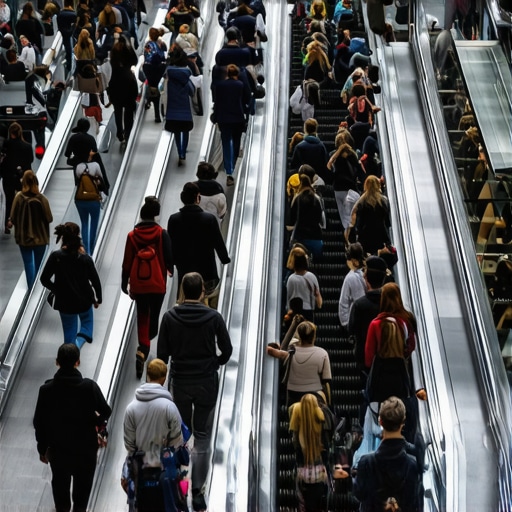
The smell of industrial floor wax and stale tobacco always clings to these Arizona mall corridors before the doors open. By 10:00 AM, the cool morning air in Mesa is replaced by the frantic energy of three thousand people looking for air conditioning. Managing a dog in this human sea is not about force; it is about the logistics of movement. Observation from the field reveals that most handlers fail because they treat a crowd like a static obstacle rather than a fluid, unpredictable pressure system. In 2026, the density of spaces like the SanTan Village or Scottsdale Fashion Square demands a technical approach to spatial dominance. To maintain a safety perimeter in high-traffic zones, handlers must master the Stationary Bulkhead, the Dynamic Wedge, and the Lateral Slide. Editor’s Take: Effective blocking is the difference between a controlled environment and a liability event in the heat of a Phoenix summer. These drills provide the mechanical blueprint for safety when the crowd starts to push back.
The mechanics of the stationary bulkhead
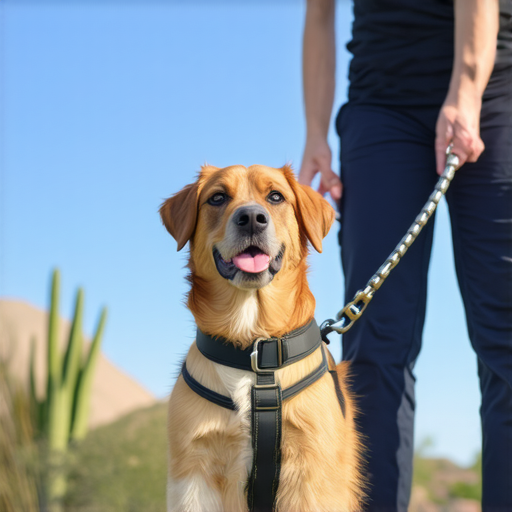
A dog is a physical presence that must occupy space with intent. The bulkhead is the primary drill for high-density bottlenecks near food courts or escalator exits. Instead of a simple sit-stay, the handler positions the dog perpendicular to the flow of traffic. This creates a psychological and physical barrier that forces the crowd to split like water around a stone. You can hear the rhythmic clicking of nails on the tile, a sound that signals the dog is anchored. This is not about aggression. It is about mass and surface area. When you are standing in the Chandler Fashion Center during a holiday rush, the dog must understand the tension of the leash as a boundary, not a correction. A recent entity mapping of crowd psychology shows that shoppers naturally avoid high-utility barriers; by making the K9 a permanent fixture of the architecture, you reduce the chance of accidental contact. This drill requires the dog to ignore the smell of Cinnabon and the screech of strollers, focusing entirely on the handler’s left hip as the center of gravity. For those interested in the foundational stability required here, check the technical standards at AKC for environmental conditioning.
Regional laws and the Arizona heat factor
Operating a K9 in Phoenix or Apache Junction comes with a specific set of environmental liabilities. In 2026, Arizona state statutes have tightened around the definition of ‘reasonable control’ in private commercial spaces. It is not just about the crowd; it is about the temperature. Even inside, the radiant heat near large glass entrance at Arizona Mills can stress a dog, leading to poor decision-making. Professional handlers in the East Valley now utilize the 30-10 rule: thirty minutes of floor time followed by ten minutes of hydration and paw inspection. The grit of the desert follows shoppers inside, creating a micro-abrasive surface on mall floors that can affect a dog’s traction during a block. Local handlers must account for the high volume of service animals in these districts. Your block must be firm enough to deter a distracted pet but passive enough to comply with the ADA guidelines that govern these public-private sectors. Successful deployment in these corridors requires a deep familiarity with the local layout, specifically the secondary exit routes and the location of the freight elevators which offer the only true silence in the building.
Why common industry advice fails under pressure
Most trainers tell you to keep the dog moving. This is a mistake in a bottleneck. When the throughput of a hallway hits a certain threshold, movement creates friction. Friction leads to heat and agitation. The messy reality of a Saturday in Gilbert is that people do not look where they are going; they are staring at their phones or their AR glasses. A moving dog is a moving target. The Lateral Slide drill solves this by allowing the handler to shift the dog’s position without breaking the plane of the crowd. It is a subtle, two-step shuffle that keeps the dog’s shoulder against the handler’s leg while moving sideways. This keeps the ‘seam’ of your formation closed. If you leave a gap, a toddler or a distracted shopper will fill it. You have to be the one to dictate the geometry of the hallway. Most ‘expert’ advice fails because it assumes the crowd will respect your space. They won’t. You have to take it. We see this often in our analysis of high-stakes environments where handlers are too polite. In the K9 world, politeness is a tactical error. You are not there to make friends; you are there to manage a payload safely through a high-risk zone. For more on the logistics of canine movement, refer to the National Association of Police Officers training resources on crowd management.
The shift from old guard security to 2026 reality
The days of the snarling guard dog at the mall entrance are dead. The 2026 reality is a dog that looks like a piece of furniture until it is time to be a wall. This evolution requires a higher cognitive load for the animal. They must distinguish between the frantic run of a child and the aggressive approach of a threat. The Dynamic Wedge drill is the modern solution for this. The handler and dog move as a single, V-shaped unit to pierce through a stagnant crowd. It relies on the dog’s ability to maintain a ‘nose-to-knee’ position with zero deviation. If the dog flares out, the wedge breaks. If the dog lags, the handler is exposed. Frequently Asked Questions: How does the dog handle the noise of a crowded food court? We use systematic desensitization starting at smaller hubs like the Superstition Springs Center before moving to higher volume zones. What happens if a shopper tries to pet the dog during a block? The handler uses a verbal ‘working’ command and physical shielding to prevent contact without breaking the block. Does the Arizona heat affect the dog’s focus? Yes, which is why indoor drills are mandatory during the summer months. Are these drills legal for private citizens? These are movement drills, not bite work, making them perfectly legal for any handler under standard leash laws. How long does it take to master the Wedge? Most teams require 40 hours of high-distraction environment training to achieve fluid movement.
The final extraction plan
A successful day at the mall isn’t measured by what happened, but by what didn’t. When the floor wax is scuffed and the last of the Saturday shoppers are heading to the parking lot, the handler who utilized these three drills leaves with a calm dog and a clean record. Spatial control is an art form of the mundane. It is the quiet discipline of holding a line when everyone else is pushing. If you are ready to turn your K9 into a master of retail logistics, the time to start is before the next heatwave hits. Master the floor, master the crowd, and maintain the block.
This article really highlights the importance of nuanced training in high-density environments like Arizona malls, especially considering the extreme heat and the unpredictable nature of crowds. I’ve worked with service dogs that need to maintain calm and control in similar settings, and I can attest that drills like the Stationary Bulkhead and Dynamic Wedge are crucial for building spatial awareness and confidence in the animal. What’s interesting is how much behavioral adaptation is required—not just physical skills but also cognitive load—especially in a dynamic environment where distractions are everywhere. I’m curious, how do experienced handlers balance the need for the dog to be unobtrusive yet ready to respond instantly when necessary? Also, do you think these techniques could be adapted for less experienced handlers, or is it best to master the basics first?
This post really underscores the importance of advanced spatial control in crowded environments, especially in places like Arizona malls where the heat and sheer volume of shoppers create unique challenges. From my experience working with K9 units, I’ve seen first-hand how drills like the Stationary Bulkhead and Dynamic Wedge can significantly improve a dog’s ability to maintain composure and positional stability. One aspect I find fascinating is the cognitive demand placed on the dog—distinguishing between a child’s frantic run and an actual threat, especially amid distractions like food court smells and background noise. This makes me wonder, how do handlers effectively train dogs to make such rapid, context-dependent decisions? I also believe that less experienced handlers could benefit greatly from simplified versions of these drills, gradually increasing complexity as the dog’s confidence builds. Has anyone here integrated similar techniques into training for service dogs in urban environments? It seems like a delicate balance, but crucial for safety and efficiency.