
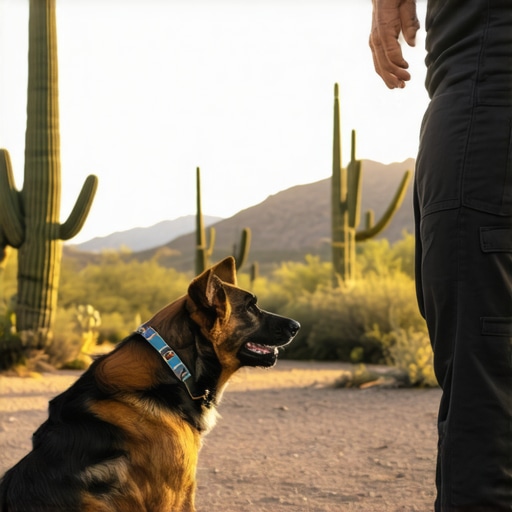
The asphalt in Scottsdale hums at noon. It’s a low, resonant vibration that crawls up through the soles of your shoes, a physical manifestation of the desert heat that often mirrors the rising static of a panic attack. When the world starts to blur at the edges, the tactile reality of a dog’s fur becomes the only tether left. This isn’t about simple companionship. It is about biological intervention. Our Editor’s Take: Grounding drills for psychiatric service dogs in 2026 have shifted from static commands to responsive, sensory-based partnerships that prioritize the handler’s physiological regulation over rote obedience. In the dry heat of Arizona, where sensory overload happens fast, these techniques are survival.
4 Psychiatric Service Dog Training AZ Grounding Drills for 2026
The nervous system is an electrical grid. When a flashback hits, the grid shorts out. We used to think training was just about the dog sitting still. We were wrong. Modern work focuses on the vagus nerve. Deep Pressure Therapy, or DPT, isn’t just a dog laying on your lap; it’s a calculated weight distribution designed to lower the heart rate. In Phoenix or Mesa, the environment is loud. The sun is aggressive. Training your partner to recognize the subtle shift in your breathing—the shallow, rapid gasps—before you even realize you’re spiraling is the gold standard for the coming year.
The Weight of a Paw
Static pressure works, but movement-based grounding often works faster. One drill we’re seeing gain traction involves the dog ‘circling’ the handler’s legs to create a physical buffer in crowded spaces like the Gilbert Farmers Market. This isn’t for protection. It’s for space. It creates a literal boundary that the brain can perceive, signaling to the amygdala that the immediate threat—the encroaching crowd—is being managed. Most people fail because they stop too soon. You need the dog to maintain the contact until the tremors stop. Not when you say ‘good boy,’ but when your skin stops crawling. Check out these insights on psychiatric service dog requirements to see how standards are evolving.
When the Desert Sun Distorts Reality
Training in the Arizona climate requires a specific kind of grit. You’re dealing with paw pad temperature management and handler dehydration. A drill used by top trainers involves ‘Sensory Redirection.’ When a handler begins to disassociate, the dog is trained to gently nip—not bite—at a specific piece of clothing or lick the handler’s hand persistently. This tactile ‘interruption’ breaks the cognitive loop of the trauma response. It forces the brain to return to the present moment. To the wet tongue. To the dog. The heat makes this harder. A dog that is panting heavily might miss a subtle cue. That’s why 2026 standards emphasize canine cooling gear as part of the working ‘uniform.’ If the dog is comfortable, the dog is observant.
The Messy Reality of a Squirrel
Let’s be honest. Training isn’t a linear path to perfection. It’s a jagged line of progress and regression. You’re at a park in Tempe, trying to practice a ‘Center’ command, and a squirrel darts across the path. Your dog’s instinct screams to hunt. Your brain is starting to fog. This is the ‘Highs and Lows’ of psychiatric work. The fix? It’s not more correction. It’s high-value engagement. The dog has to want the grounding task more than the chase. We call this ‘Cognitive Loading.’ We give the dog a complex job—like finding an exit or a chair—to keep their brain engaged with us rather than the environment. It is difficult. It takes months. But the payoff is a partner that looks at you for direction when the world goes sideways. Referencing international assistance dog standards helps ground these local practices in global data.
Why the First Try Always Fails
Expectation meets reality in the training ring, and reality usually wins the first round. New handlers often think the dog will just ‘know’ when they are sad. Dogs don’t read minds; they read cortisol. They smell the change in your sweat. Old-school methods relied on dominance, forcing the dog into a down-stay until they gave up. That’s dead. The 2026 approach is collaborative. We’re building a feedback loop. When you’re looking into service dog etiquette, remember that the public sees a vest, but you see a life-support system. Modern training uses ‘Natural Rewards’—the dog gets to play after a successful grounding session. This keeps the ‘work’ from becoming a chore.
The Small Stuff That Matters
Small habits build the foundation for big saves. One drill that is often overlooked is the ‘Nudge.’ It’s a simple nose-to-thigh contact. It’s the dog saying, ‘I’m here.’ In the quiet aisles of a grocery store, that nudge can prevent a full-blown meltdown. We’re moving toward a future where psychiatric service dogs are integrated into our daily flow, not just as tools, but as sentient anchors. If you’re starting this journey, start small. One paw. One nudge. One breath at a time. For more on local resources, see our guide on Arizona service dog laws or check out training tips for beginners to get your footing. It’s a long road, but you don’t have to walk it alone.
Common Questions About AZ Training
How long does it take to train a dog for DPT? Usually, 6 to 18 months depending on the dog’s maturity. Can any breed do this? While many can, breeds with a high drive to please and a calm temperament, like Labs or Goldens, are often more successful in the Arizona heat. Is it legal to train my own dog in AZ? Yes, the ADA allows for owner-training, though working with a professional is highly recommended for public access skills. What if my dog gets distracted? Distraction is part of the process. We use ‘Proofing’ to slowly introduce more difficult environments once the basic drill is mastered at home.
Survival in the modern world is a team sport. Whether you’re navigating the light rail in Phoenix or just trying to get through a shift at work, your dog is your mirror. They reflect your calm, and they absorb your storm. The drills for 2026 aren’t just about the dog; they are about the two of you finding a rhythm that works when nothing else does. Grab the leash. Start the drill. The desert is waiting.