
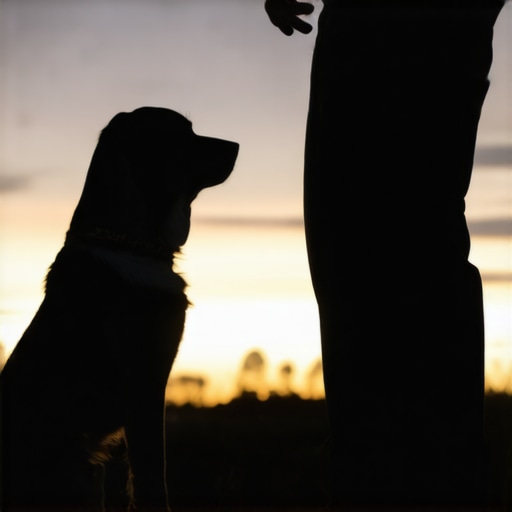
The 3 AM reality check
The air in the hallway smells of industrial-grade lavender floor cleaner and the sharp, metallic tang of a cooling HVAC unit. It is 3:14 AM in a quiet corner of Gilbert, Arizona. While the rest of the world is a blur of REM cycles, the night-shift security guard knows the truth: the shadows are where the real work happens. This is the exact environment where a seizure response dog must operate. It is not about the bright lights of a training center; it is about the cold floor and the disorienting silence of a bedroom. Editor’s Take: Success in night alert recovery requires drills that prioritize tactile persistence over vocal cues, ensuring the handler is physically moved from a state of post-ictal confusion to safety. When the brain misfires in the dark, the dog becomes the only reliable clock in the room. Most handlers make the mistake of assuming a dog that alerts during a sunny afternoon will do the same when the house is draped in shadows. They are wrong. Sleep inertia is a powerful force that can muffle a dog’s efforts, making specific recovery drills for 2026 a non-negotiable part of your safety protocol.
The mechanics of the midnight nudge
True alert recovery is a physical dialogue between two species. We are looking at the relationship between canine pressure and human arousal levels. A dog trained to simply bark is useless if the handler is in the middle of a tonic-clonic episode or the heavy fog that follows. The ‘nudge’ must be deliberate. It is a sequence of tactile strikes to the arm or face that increases in intensity. Research on canine behavior suggests that dogs which utilize ‘bracing’ or ‘heavy grounding’ provide more than just a wake-up call; they provide sensory input that can help stabilize the handler’s autonomic nervous system. You can see how these techniques are refined by experts at International Association of Assistance Dog Partners. This is about neural pathways. We are teaching the dog to recognize the shift in breathing patterns before the physical tremors even begin. It is a game of millimeters. A dog that rests its head on the handler’s chest is applying deep pressure therapy that can actually shorten the recovery window by lowering cortisol levels during the post-ictal phase. This is not some ‘game-changer’ tech; it is biological engineering at its most basic level.
Heat and shadows in the Valley of the Sun
In the Phoenix metro area, particularly during those blistering summer nights where the pavement still radiates heat at midnight, the physiological stress on both handler and dog is amplified. Local legislation in Arizona is relatively supportive of service animal access, but the specific environmental stressors of the Sonoran Desert require a unique approach to night drills. When the power grid is strained and the AC is humming at max capacity, the acoustic environment changes. Your dog needs to work through the white noise. If you are training in Mesa or Scottsdale, your recovery drills must account for the fact that a seizure in 110-degree weather is a different beast than one in a temperate climate. Dehydration shifts the scent profile of a seizure. If you haven’t practiced your night alerts with the windows shut and the heavy drone of a fan, you haven’t practiced at all.
Why your standard training fails at 3 AM
Industry advice often ignores the ‘messy reality’ of a dark house. Most trainers work in sterile, well-lit environments. But in the real world, you might fall between the bed and the nightstand. Your dog might be startled by a shadow or a stray coat on a chair. If the dog is trained only for the ‘perfect alert,’ it will freeze when the environment is ‘imperfect.’ This is the friction point. A common failure is the dog’s inability to navigate around household obstacles in the dark to reach the handler’s face. We have seen cases where the dog alerts from the foot of the bed, but the handler is face-down in the pillow, unable to breathe. The 2026 standard for recovery drills demands ‘Tactile Obstacle Navigation.’ This means your dog must be able to move blankets, push open cracked doors, and ignore the cat’s midnight sprint to get to your primary sensory zones. It is about grit. It is about the dog that doesn’t quit when the handler doesn’t respond to the first five nudges.
The 2026 reality of canine response
The old guard relied on instinct; the 2026 reality relies on a blend of bio-scent recognition and integrated tech. While we don’t want to depend entirely on gadgets, a dog that can trigger a smart-home ‘panic’ light during a night alert is a dog that saves lives. How do you prepare for a post-ictal state? You drill the ‘Recovery Position Roll.’ This is where the dog uses its snout to nudge the handler onto their side. How many times a week should I drill? At least twice, specifically between 1 AM and 4 AM to simulate true circadian disruptions. Can any breed do this? While retrievers are popular, the drive to work in the dark is more about individual temperament than the breed’s ‘look.’ What if my dog sleeps too soundly? This is why we use high-frequency vibration collars as a secondary bridge, not as a correction, but as a ‘wake up’ signal for the dog to start the scent-check. Do I need professional help? Yes, especially for the ‘Deep Pressure’ drills to ensure the dog isn’t inadvertently restricting your breathing. Will a night alert dog ever fail? Yes, they are living beings. That is why the backup is always the drill. You are building muscle memory for both of you.
Staying ahead of the dark
The night doesn’t care about your training certificates. It only cares about the physical reality of a body in crisis. By shifting your focus from ‘pretty’ obedience to these five rugged, night-shift recovery drills, you are not just owning a service dog; you are commissioning a biological insurance policy. The goal is simple: when the lights are out and the brain is failing, the dog is the only thing that remains certain. It is time to stop practicing for the exam and start practicing for the emergency. “,