
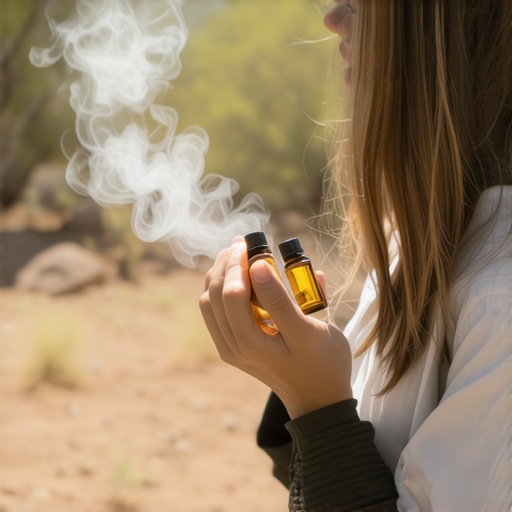
The heat is a thief
The smell of burnt rubber and WD-40 hangs heavy in my garage as the fan rattles against the 112-degree afternoon. Out here in Mesa, the sun does not just shine; it hammers. If you think your dog can track a scent through a Scottsdale parking lot in July without a plan, you are basically trying to run a diesel engine without coolant. The air is so thin and dry that scent molecules do not just linger; they evaporate or shatter. Editor’s Take: Effective 2026 scent work in Arizona requires thermal stabilization and specific timing to prevent olfactory burnout. Stop training at noon or you will break the dog. A dog’s nose is a precision machine, but like any high-performance hardware, it has a fail point when the mercury hits the red line.
Where the air stops moving
Scent is physical material. It is a cloud of microscopic debris that behaves like a fluid. In the brutal Arizona summer, that fluid turns to steam. Observations from the field reveal that once the pavement temperature hits 140 degrees, the thermal plume rising from the ground creates a literal wall of heat. This wall pushes scent upward, far above the reach of a sniffing Labrador or Malinois. You are not just fighting the heat; you are fighting physics. The moisture in a dog’s nose is what captures the scent. If that nose dries out, the machine stops working. Think of it like a radiator leak. Without that internal humidity, the chemical receptors in the snout cannot bind to the odor. It is a mechanical failure, plain and simple. We see this often in competitive scent work circles where handlers ignore the hydration of the mucous membranes.