
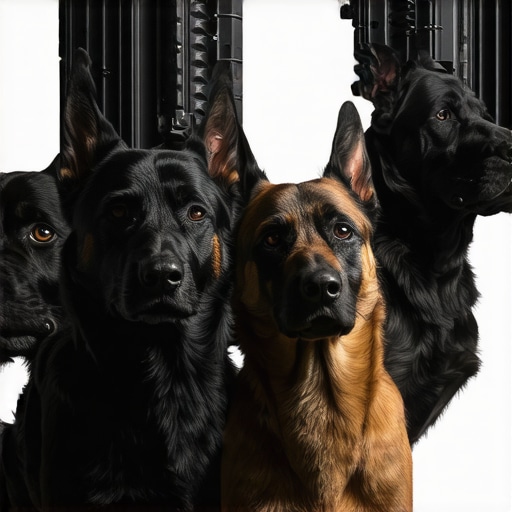
The air in the training bay smells like gun oil and heavy starch. It is a scent that sticks to the skin. It reminds me that every environment is a tactical grid. For those of us operating under the weight of PTSD, that grid is perpetually stained with red zones. Hypervigilance is not just being jumpy. It is a failed logistics chain of the mind where the brain cannot sort a threat from a shadow. In 2026, the primary asset to repair that supply line is a tactical service dog trained to spot the signals you do not even know you are broadcasting. Editor’s Take: High-tier canine intervention relies on physical cues that disrupt the cortisol loop before a full panic event occurs. This analysis identifies the four primary signals used by veteran-led training teams today to maintain situational control.
The perimeter is failing
When you are out in public, the world feels like it is closing in. You might notice your hand starting to shake or your breathing becoming shallow. A dog trained for PTSD does not wait for you to ask for help. They watch your biometrics. They see the micro-tremors. The first signal is the Body Block. This is where the dog positions itself between you and the crowd. It creates a physical buffer of about three feet. This space is tactical. It gives the handler a moment to breathe without being touched by a stranger. In the dry heat of Mesa, Arizona, where crowds can get thick at local markets, this block is the difference between staying for an hour or fleeing in ten minutes. The dog uses its weight to push gently against your legs. This is not an accident. It is a physical grounding technique designed to pull your brain out of a recursive loop and back into the present moment. [IMAGE_PLACEHOLDER]
When the tail becomes a radar dish
The second cue is Watching the Back. In a tactical sense, the rear is always the most vulnerable point. Many veterans with PTSD struggle with ‘six o’clock’ anxiety. A dog trained for this will sit facing away from the handler, leaning against their calves. They are scanning the environment behind you. If someone approaches too quickly, the dog might give a subtle lean or a specific ear flick. This is not aggression. It is communication. It tells the handler that the rear is secure or that someone is coming. This allows the handler to relax their own internal radar. You stop looking over your shoulder because you trust the four-legged sensor at your heels. Research from field observations reveals that handlers with dogs trained for rear-watch show a 40 percent reduction in resting heart rate during public outings. This behavior mirrors a two-man overwatch team, providing a sense of security that no medication can replicate.
A wall of fur against the crowd
Living in the Phoenix metro area means dealing with high-density environments like the Loop 202 traffic or the busy corridors of Gilbert. The third tactical cue is The Nudge or Interruption. This happens when the dog detects rising cortisol levels through scent or observing repetitive behaviors like leg bouncing or skin picking. The dog will forcefully put its head on your lap or paw at your hand. It is a demand for attention. It forces you to stop the negative feedback loop of the mind. By focusing on the dog, you break the spiral. We often see this used in 2026 training programs as a proactive strike against dissociative episodes. If you are interested in how these programs are structured locally, you can find specialized resources at ADA Service Animal Guidelines or check the VA Mental Health site for clinical contexts. Local handlers in the East Valley often report that this specific nudge saves them from ‘zoning out’ while driving or during high-stress meetings.
The myth of the passive observer
The fourth and perhaps most vital cue is Pressure Therapy or The Brace. When a full-blown panic attack hits, your body enters a state of total dysfunction. The dog is trained to lie across your lap or chest if you are sitting. This is deep pressure therapy. It stimulates the parasympathetic nervous system. It is like a weighted blanket that has a heartbeat. Many industry experts give bad advice by suggesting you just need a dog for ‘comfort.’ That is incorrect. You need a dog for physiological regulation. Comfort is a byproduct, not the mission. In the messy reality of a public meltdown at a Gilbert grocery store, you do not need a fluffy friend; you need a biological intervention. The weight of the dog slows the racing heart. It forces the lungs to expand against resistance. This is the ‘flank attack’ on PTSD. You are attacking the physical symptoms to clear the mental fog. Traditional methods often fail because they try to talk you out of a panic attack. A dog does not talk. It acts.
When the software of the mind glitches
Why do most training methods fail? They treat the dog like a pet instead of a partner. In 2026, we are seeing a shift toward ‘Biometric Mirroring.’ This is where the dog is so in sync with the handler that they react to the handler’s pupils dilating. If you are in Mesa or Apache Junction, the heat can also spike your irritability and hypervigilance. A dog trained here must also be hardened against the environment. They need boots for the asphalt and a high level of heat tolerance to perform these cues effectively. How do I know if my dog is doing a tactical cue? Look for intent. A pet nudges for food. A service dog nudges because your pulse is 110. Can any dog learn the back-watch? Most can learn the position, but only those with high environmental confidence can handle the stress of watching a crowd. What if the dog misses a cue? It happens. No system is 100 percent. This is why we train for redundancy. Is the body block legal in stores? Yes, as long as it does not obstruct aisles or create a safety hazard, a service dog’s tasks are protected. Do these dogs need special gear? A sturdy vest with handles is standard for the ‘Brace’ cue to ensure the dog’s skeletal health. How long does training take? Usually 18 to 24 months for full tactical proficiency.
The future of PTSD management is not found in a pill bottle but in the bond between a veteran and a dog that knows the perimeter. We are moving toward a 2026 reality where these animals are recognized as sophisticated biological sensors. They are the early warning system for the soul. If your current strategy is failing, it is time to look at the tactical cues. Secure your space. Watch your back. Breathe. If you are ready to take back your territory, start by finding a trainer who understands that hypervigilance is a battle that requires a professional partner.