
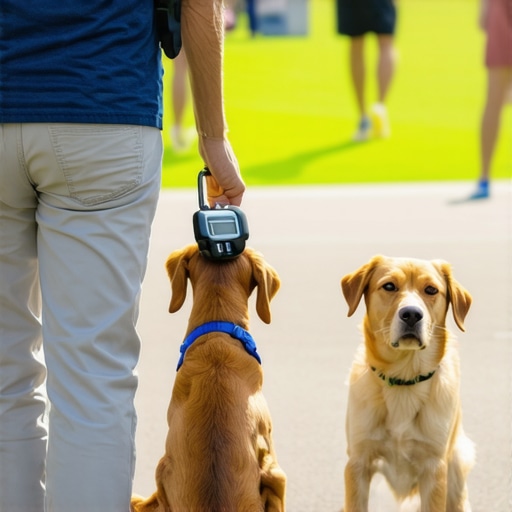
The air in Mesa during July smells like baked dirt and hot WD-40. It is the kind of heat that makes a radiator groan and turns a dashboard into a griddle. When you are sitting in the cab of a truck, you feel the vibration of the engine, but when you have a Diabetic Alert Dog (DAD) in the passenger seat, you are monitoring a different kind of machine. A living one. One that fails when the mercury hits 100 degrees Fahrenheit. The reality is simple. If the dog’s internal cooling system breaks, your early warning system for blood sugar crashes goes offline too. Most people treat these dogs like pets. I treat them like precision instruments that need specific environmental tolerances to function.
Editor’s Take (BLUF): Heat destroys a DAD’s ability to scent. To keep your dog working in 2026, you must prioritize ‘Nose Cooling,’ shift to nocturnal training cycles, and utilize evaporative gear that does not trap humidity against the coat.
When the radiator starts to hiss
A dog’s nose is the sensor. In technical terms, we are talking about olfactory receptors that need a moist, cool surface to trap the chemical signatures of Isoprene or whatever specific VOC your body kicks out during a hypoglycemic event. When the air gets bone-dry and hot, those molecules don’t stick. They bounce. Think of it like trying to paint a car in a windstorm. The paint never hits the metal. High temperatures increase the kinetic energy of scent molecules, making them move too fast for a dog to process accurately. (I’ve seen dogs miss a 50 mg/dL drop just because they were too busy panting to actually sniff). Panting is the dog’s way of venting heat, but it is a massive architectural flaw for an alert dog. You cannot sniff and pant effectively at the same time. The air bypasses the olfactory shelf. If your dog is huffing like an old diesel on a steep grade, he is not working. He is surviving.
The thermodynamics of a wet nose
We need to talk about the ‘delta’ between the dog’s internal temp and the ambient air. In 2026, the tech has caught up to the biology. We are seeing a move toward micro-mist delivery systems and better hydration logic. You aren’t just pouring water in a bowl. You are managing the thermal load of the entire unit. A dog’s core temperature should sit around 101.5 degrees. Once the ambient air hits 95, the heat exchange stops working. The dog becomes a heat sink. This is why most cooling vests you buy at the big-box stores are junk. They are just wet blankets that trap steam. You need a vest with a high-albedo rating (reflective) and a spacer mesh that allows air to flow between the wet fabric and the fur. Without that gap, you are essentially boiling the dog in a humid envelope. I prefer the tech that uses phase-change materials (PCM) because they stay at a constant 58 degrees for hours. It’s like having an AC unit strapped to the dog’s ribs. No moving parts. Just physics.
Arizona is a literal frying pan
If you are walking your DAD near Power Road or through the parking lots in Gilbert, you are playing with fire. The asphalt in the East Valley can hit 160 degrees. That is high enough to cause second-degree burns on a paw pad in sixty seconds. (Trust me, I’ve seen the skin peel off like old gaskets). You need boots, but not the cheap rubber ones. You need high-traction, ventilated soles that reflect heat. Better yet, you change your schedule. In the 2026 reality of soaring urban heat islands, ‘working’ hours for a DAD in the desert must be early morning or late night. If you must be out at noon, you stay on the grass or you use a stroller. It sounds soft, but it keeps the sensor functional. Here is where the local experts come in. Places like Robinson Dog Training in Mesa understand these regional stressors better than some trainer in a basement in Seattle. They know the heat is an adversary.
The cooling vest lie
People think a wet dog is a cool dog. Wrong. A wet dog in high humidity is a dog that cannot sweat. (Dogs don’t sweat like us anyway, they use their paws and tongue). If you soak your dog and then walk into a humid shop, that water sits on the fur and creates a greenhouse effect. The fix for 2026 is ‘Targeted Cooling.’ Focus on the underbelly and the neck where the large blood vessels are. It is the same as putting a cold rag on your pulse points. If you can cool the blood moving through the jugular, you can lower the core temp without soaking the whole animal. I always carry a pressurized sprayer filled with ice water. A quick blast to the groin and armpits works faster than any $100 vest. It’s about efficiency, not accessories.
What 2026 looks like for working dogs
The tech is shifting. We are moving away from reactive cooling to predictive cooling. We now have wearable sensors that ping your phone when the dog’s respiratory rate climbs too high. It’s like a check engine light for your DAD. If you ignore it, the system seizes. Here are the hard truths you need to know about keeping these animals running in the heat.
Why does my dog stop alerting when it is hot?
Because his brain is prioritizing temperature regulation over scent processing. The olfactory bulb is energy-intensive. When the body is in crisis mode from heat, it shuts down ‘non-essential’ services. Your life-saving alert is non-essential to a dog that is about to have a heatstroke.
Can I use ice packs on my dog?
Only if they are wrapped. Direct ice causes vasoconstriction. That means the blood vessels shrink and stop the heat from escaping. You want ‘cool,’ not ‘frozen.’ Think of it like a coolant flush, not a deep freeze.
How do I know if the pavement is too hot?
The five-second rule. Press the back of your hand to the ground. If you can’t hold it there for five seconds without flinching, the dog can’t walk on it. No exceptions. (I don’t care if you’re just ‘running in for a second’).
What is the best hydration strategy for 2026?
Electrolytes specifically formulated for canines. Plain water can sometimes lead to hyponatremia if they are drinking massive amounts to stay cool. Add a little ‘torque’ to their water with a dog-safe rehydration powder.
Should I shave my long-haired DAD for summer?
Never. The coat is insulation. It works like the heat shield on a space shuttle. It keeps the heat out just as much as it keeps it in. If you shave them, you expose their skin to direct solar radiation. You wouldn’t strip the insulation off your house in July, would you?
Keep the fluids moving. Keep the sensors cool. If the dog is redlining, you are both in danger. Treat the dog like the high-performance machine it is, and it will keep you alive. Stop looking for ‘hacks’ and start looking at the mechanics of the animal. If you take care of the hardware, the software (the training) will do its job. Stay frosty.