
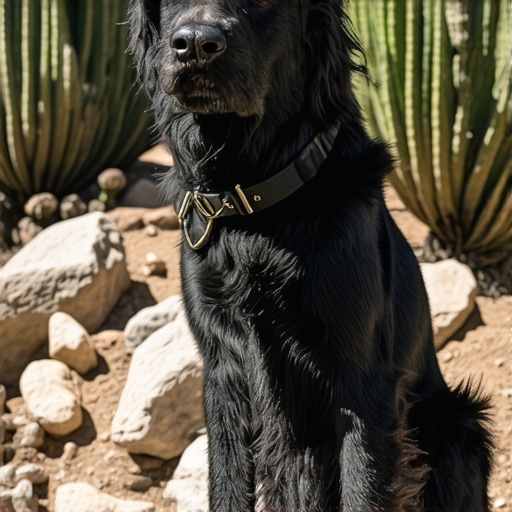
Editor’s Take: The 2026 Arizona summer is a mechanical failure waiting to happen for your dog’s paws. You need a three-layer thermal barrier, shift-based walking schedules, and a constant diagnostic check on pad integrity to prevent second-degree burns.
The smell of scorched rubber and hot asphalt
The shop smells like WD-40 and old fan belts, but even the industrial swamp cooler can’t hide the scent of the Mesa pavement cooking at noon. If you step out onto the driveway in Gilbert right now, that concrete feels like the top of an engine block after a long haul. By 2026, the heat waves in the Valley are hitting 118 degrees before the lunch whistle even blows. Most folks think a quick dash to the mailbox won’t hurt, but they’re wrong. A dog’s paw pads are tough, sure, but they aren’t designed to handle 160-degree road temperatures. It’s like running a machine without oil; eventually, something is going to seize up. You see the signs in the clinic or the shop: dogs lifting their feet like they’re walking on hot coals, because they literally are. To keep your dog moving this season, you have to treat their paws like high-performance tires that have a very low melting point. We are looking at a reality where the ground is a hostile environment for six months of the year.
[image_placeholder]
Thermal conductivity and the failure of natural padding
Think about the physics of a dog walk. Heat transfer happens fast. When the sun beats down on the dark asphalt of the 101 or the neighborhood streets in Queen Creek, those surfaces act as thermal batteries. They soak up the radiation and hold it long after the sun goes down. A dog’s pad is composed of fat and thick skin, which provides some insulation, but it has a thermal limit. Once that limit is hit, the skin cells start to cook. This isn’t a slow process. At 125 degrees, skin destruction can happen in 60 seconds. At 150 degrees, which is common in Phoenix by 2:00 PM, it happens in fifteen. If you wouldn’t hold your hand flat against the road for a full minute, your dog shouldn’t be standing there. We see too many people waiting for the ‘air’ to cool down, forgetting that the ground stays hot like a cast-iron skillet. You need to check the structural integrity of those paws every single night. Look for discoloration or a texture that feels like dry, cracked leather. If the pad loses its flexibility, it’s going to tear on the next gravel path you hit.
The Mesa heat map and the local survival guide
Down here in Apache Junction and Mesa, the dirt isn’t much better than the pavement. The caliche and the desert sand trap heat just as effectively. If you’re planning a trip to the Salt River, don’t think the water is going to save you. The rocks on the bank will blister a lab in the time it takes to throw a tennis ball. 2026 has taught us that the old ‘7-second rule’ is outdated. You need to be more aggressive. Use the grass strips near the libraries or the few shaded parks left in the valley. But even then, the transit from the car to the grass is where the damage occurs. High-quality boots with vibram soles are no longer optional. They are the gaskets that keep the system sealed. Make sure the fit is tight; a loose bootie causes friction burns, and that’s just adding one problem on top of another. For more on local conditions, check out the Arizona Heat Safety protocols. You also want to look at our guide on essential desert hiking gear and canine hydration strategies to keep the whole engine running cool.
Why your dog hates those boots and how to fix it
The biggest complaint I hear in the shop is that the dog won’t wear the gear. ‘He walks like a drunken sailor,’ they say. Well, yeah. You’re putting a foreign object on a sensory organ. Imagine trying to fix a carburetor with thick winter gloves on. You have to break them in. Start with two boots at a time. Let them clatter around the living room. Use high-value rewards like pieces of steak or a cold marrow bone. The messier reality is that most cheap boots you buy online are junk. They don’t breathe, and they trap sweat. Dogs sweat through their paws, remember? If you seal that moisture in with 110-degree ambient air, you’re basically steaming the paws. You need boots with mesh tops and solid, heat-resistant bottoms. It’s about the right tool for the job. If the boots aren’t working, specialized paw waxes like Musher’s Secret provide a thin sacrificial layer, but it’s not a permanent fix for a two-mile walk on the blacktop. It’s for quick transitions only. Don’t let a salesperson tell you a wax is a replacement for a solid sole in an Arizona July.
Tactical adjustments for the 2026 climate
The old guard used to walk their dogs at 6:00 PM. In 2026, that’s a mistake. The concrete is still radiating 130 degrees at dinner time. You have two windows: 4:30 AM to 6:30 AM, or after 10:00 PM. Anything else is just asking for trouble. We are seeing a rise in indoor exercise as the only viable alternative. Use local dog training facilities that have climate-controlled indoor turf. It’s better for the dog to be bored in the AC than burnt on the sidewalk.
Common troubleshooting for summer paws
What do I do if the pads are already peeling? You treat it like a burn. Clean it, cool it, and get to a vet. Do not put grease or butter on it. That just traps the heat. Can I use baby socks? No. They have zero thermal resistance and will slide off, causing a trip hazard. Is the grass always safe? Not necessarily. Synthetic turf in Mesa can actually get hotter than asphalt. Stick to real, watered Bermuda grass. How often should I apply paw balm? Every night after the final walk. It’s about maintenance and preventing the cracks where the heat gets in. What’s the first sign of heat distress? Heavy panting and bright red gums, even before they start limping. If the engine is overheating, the tires are usually the first thing to smoke.
Keeping the rubber on the road
The reality is simple: your dog relies on you to be the lead mechanic for their health. They will follow you into a furnace if you lead the way. In the harsh light of the Arizona desert, protecting those paws is about more than just comfort; it’s about mobility and preventing a long, painful recovery. Take the time to gear up, check the temps, and listen to the machine. Your dog will thank you with another ten thousand miles of loyal service. Stop by our local shop in Mesa if you need a gear fitting that actually holds up to the 2026 heat. “