
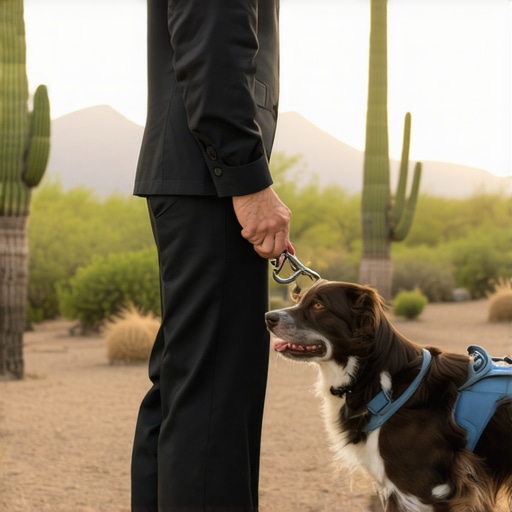
Unlocking Success: The Secrets Behind Owner-Trained Service Dogs in Arizona
Arizona’s unique landscape and climate present both opportunities and challenges for service dog training. As more owners opt for personalized training approaches, understanding the essential strategies becomes vital for success in 2024. In this article, we explore expert insights into owner-trained service dogs—highlighting practical tips, legal considerations, and innovative training techniques tailored for Arizona’s environment.
The Arizona Advantage: Why Local Training Matters
Arizona’s diverse terrain—from desert landscapes to urban settings—requires specialized training for service dogs to navigate safely and effectively. Owner training enables a tailored approach, considering individual needs and local conditions. For example, training a service dog to handle Arizona’s intense heat involves acclimatization techniques and protective gear, ensuring the dog’s well-being and functionality.
Essential Strategies for Owner-Trained Service Dogs in 2024
Building a Strong Foundation with Positive Reinforcement
Positive reinforcement remains the cornerstone of effective training. Expert trainers emphasize consistent, reward-based methods that foster trust and motivation. Using treats, praise, and play, owners can instill crucial commands and behaviors, creating a reliable partnership. Learn more about positive reinforcement techniques.
Legal and Ethical Considerations in Arizona
Understanding the legal landscape is essential. Arizona recognizes the rights of service dog handlers under the Americans with Disabilities Act (ADA), but owners must ensure their dogs are properly trained and well-behaved in public spaces. Ethical training practices also involve socialization, ensuring the dog is comfortable around crowds, traffic, and other animals.
Expert-Driven Training Techniques for Practical Success
Incorporating advanced training techniques such as clicker training, desensitization, and environmental acclimation can significantly improve a service dog’s performance. Experienced owners often collaborate with local trainers or attend workshops to refine their methods. For example, training a dog to assist with mobility requires specific exercises that mimic real-world scenarios they will encounter daily.
Frequently Asked Question: How Do I Ensure My Service Dog Meets Legal Standards?
Meeting legal standards involves comprehensive training that covers obedience, public access skills, and specific task training related to the handler’s disability. Regular evaluation and certification from reputable trainers can help verify your dog’s readiness, ensuring compliance and confidence in public settings.
Sharing insights and experiences with fellow owners can also provide valuable perspectives. Join local support groups or online communities focused on Arizona service dog training for ongoing advice and encouragement.
Ready to embark on your owner-trained service dog journey? Share your thoughts below or explore more expert tips to enhance your training approach!
Enhancing Your Training Approach: Navigating Unique Arizona Challenges
One aspect that often goes underappreciated is how Arizona’s climate and environment influence training routines. For instance, during summer months, the intense heat can impact a dog’s stamina and behavior. As an owner trainer, I’ve found that early morning or late evening training sessions help prevent heat exhaustion, and providing ample hydration is crucial. Additionally, incorporating **cooling vests** or mats can make a significant difference in maintaining your dog’s comfort and focus during outdoor activities.
Community Support and Resources: Connecting with Local Experts
Building a network of support is invaluable. Arizona hosts numerous organizations and trainers who specialize in service dog training. Attending local workshops or meetups allows you to exchange experiences and gain tailored advice. For example, I once collaborated with a trainer from AZ Service Animals who shared insights on handling desert terrain challenges—an invaluable resource for navigating Arizona’s diverse landscape.
What Are the Most Common Pitfalls Owner Trainers Face in Arizona?
One common mistake is underestimating the importance of socialization in real-world settings. With Arizona’s busy urban environments and natural terrains, dogs need to be exposed gradually to various stimuli—vehicles, crowds, wildlife—to build confidence. Overcoming this requires patience and strategic planning. I remember a case where a dog was initially nervous around traffic, but with consistent exposure and positive reinforcement, it became a confident companion ready to assist in bustling city environments.
How Can I Make Sure My Service Dog Continues to Grow and Adapt?
Ongoing training and socialization are key. Regularly revisiting foundational commands and introducing new scenarios keeps your dog mentally stimulated and adaptable. For example, as your dog becomes proficient with basic tasks, you can train them to handle more complex environments, such as navigating crowded markets or busy parks. According to the American Kennel Club (AKC), continuous learning not only enhances your dog’s skills but also strengthens your bond, making the partnership more resilient under various circumstances.
Sharing your journey, challenges, and successes can inspire others. If you’re comfortable, tell us about your experience with owner-trained service dogs in Arizona—what has worked best for you? Or explore more expert tips to refine your training approach and ensure your service dog remains a reliable partner for years to come!
Mastering Advanced Behavioral Conditioning for Arizona’s Unique Terrain
As your service dog matures, integrating complex behaviors and environmental adaptability becomes crucial. Utilizing **advanced obedience training** such as variable distraction drills helps your dog maintain focus amid Arizona’s diverse stimuli. Techniques like **differential reinforcement** can be employed to strengthen desirable behaviors in complex settings, ensuring your service dog responds reliably under stress or distraction. Collaborating with local trainers who specialize in **environmental desensitization** can significantly improve your dog’s resilience, especially in high-traffic or natural terrain scenarios.
Decoding the Nuances of Task-Specific Training in Arid Climates
Tailoring task training to handle Arizona’s extreme heat and rugged landscapes demands nuanced approaches. For mobility assistance, incorporating **terrain-specific exercises**—such as navigating rocky paths or sandy surfaces—prepares your dog for real-world challenges. Additionally, training your dog to recognize signs of heat stress and respond appropriately can prevent emergencies. Techniques involve simulated scenarios where the dog learns to seek shade, signal for water, or perform cool-down routines, which are vital for maintaining health and effectiveness during long assistive tasks.
How Do I Fine-Tune My Service Dog’s Socialization to Handle Arizona’s Cultural Diversity?
Arizona’s population is remarkably diverse, from urban communities to indigenous reservations and rural areas. Ensuring your service dog is socially adept across this spectrum involves deliberate, staged exposure. This includes supervised interactions with various social groups, exposure to different cultural events, and acclimation to diverse environments such as markets, festivals, and public transportation. The goal is to foster **cultural competence** in your dog, reducing anxiety and improving public access compliance. Regular social outings combined with positive reinforcement strengthen your dog’s confidence and adaptability, essential qualities for a service animal in a multicultural setting.
What Are the Latest Innovations in Service Dog Training Technologies Relevant to Arizona?
Emerging tools like **wearable GPS trackers** and **behavioral analytics apps** are transforming owner-led training. These technologies provide real-time data on your dog’s location, activity levels, and stress indicators, allowing for precise adjustments to training routines. For example, **smart collars** equipped with temperature sensors can alert you when your dog is approaching heat exhaustion, a critical feature for Arizona’s climate. Moreover, virtual reality (VR) training simulations are being developed to expose dogs to urban environments or natural hazards safely, enhancing their preparedness without exposing them to actual danger. Staying updated with these innovations can help owners deliver **cutting-edge, personalized training** that enhances safety and performance.
How Can I Sustain Long-Term Behavioral and Physical Health in My Service Dog?
Maintaining optimal health is integral to your dog’s ability to serve reliably. This involves a holistic approach, including **nutritional management** tailored to high-energy, working dogs, and **regular veterinary checkups** that focus on heat-related illnesses and musculoskeletal health. Incorporating **mental enrichment activities** such as puzzle toys or scent work prevents boredom and promotes cognitive resilience. Additionally, establishing a consistent routine that balances training, rest, and socialization helps mitigate burnout and injury risk. Collaborating with a veterinarian familiar with desert-dwelling working dogs can ensure your service animal remains peak performer over years of service.
For owners committed to excellence, continuous education through workshops, online courses, and peer networks is invaluable. Engaging with Arizona’s specialized service dog communities—like the Arizona Service Animals—can provide ongoing support, updates on local regulations, and access to expert advice. Remember, the journey of training and caring for a service dog is dynamic; staying informed and adaptable is your best strategy for long-term success.
Mastering Behavioral Conditioning: Elevating Service Dog Performance in Arid Climates
Advanced behavioral conditioning is crucial for service dogs operating in Arizona’s challenging environment. Techniques such as **differential reinforcement** and **variable distraction drills** help enhance focus and resilience amid desert terrains and urban stimuli. Collaborating with trainers specializing in **environmental desensitization** can significantly improve your dog’s ability to maintain composure in high-stress situations, ensuring reliability in critical tasks.
Innovative Environmental Adaptation: Pioneering Training in Extreme Conditions
Incorporating **terrain-specific exercises** like navigating rocky paths or sandy surfaces prepares your service dog for real-world challenges. Training routines should include recognizing early signs of heat stress and implementing **cool-down protocols**, such as seeking shade or signaling for water. These nuanced approaches are vital for maintaining your dog’s health and operational capacity during long periods of assistance in Arizona’s climate.
How Can I Optimize My Service Dog’s Socialization Across Arizona’s Cultural Spectrum?
Arizona’s diverse social landscape demands deliberate exposure strategies. Gradual integration into various environments—markets, festivals, indigenous sites—fosters **cultural competence** and reduces anxiety. Regular socialization with diverse groups, combined with positive reinforcement, builds a confident and adaptable service animal capable of performing consistently across different cultural contexts.
What Cutting-Edge Technologies Are Reshaping Service Dog Training in Desert Climates?
Emerging tools like **smart collars** with temperature sensors and **behavioral analytics apps** provide real-time insights into your dog’s health and stress levels. These technologies enable precise adjustments to training routines, ensuring your dog’s safety and effectiveness. For instance, VR simulations for urban exposure or natural hazard recognition are pioneering methods that enhance preparedness without physical risks.
How Do I Sustain Long-Term Wellness and Performance in My Service Dog?
Holistic health management encompasses tailored nutrition, regular veterinary assessments, and mental enrichment activities. Incorporating **puzzle toys** and scent work stimulates cognitive engagement, combating boredom and fatigue. Establishing a consistent routine with balanced training, rest, and socialization prolongs your dog’s operational lifespan, ensuring sustained service quality.
Join the Leading Edge of Service Dog Training Innovation in Arizona
Stay ahead by engaging with local experts and communities, such as Arizona Service Animals. Sharing experiences and adopting **latest training technologies** will empower you to overcome environmental and social challenges effectively. Your proactive approach ensures your service dog remains a resilient, reliable partner for years to come.
Frequently Asked Questions (FAQ)
How can I ensure my owner-trained service dog complies with Arizona laws?
To ensure legal compliance, focus on comprehensive obedience training, public access skills, and specific task training tailored to your disability. Regular assessments by reputable trainers and obtaining certifications can verify your dog’s readiness. Engaging with local support groups can also provide updates on regulations and best practices.
What are the best environmental adaptation techniques for service dogs in Arizona’s climate?
Adapting to Arizona’s environment involves training your dog to recognize signs of heat stress, using cooling gear such as vests and mats, and scheduling outdoor activities during cooler parts of the day. Gradual exposure to desert terrains like rocky or sandy paths, combined with hydration strategies, enhances resilience and safety.
How do I start socializing my service dog across Arizona’s diverse cultural settings?
Begin with controlled exposure to various environments such as markets, festivals, and community events. Use positive reinforcement to build confidence in your dog around different people, animals, and stimuli. Regular, staged social interactions help your dog become comfortable and adaptable in multicultural settings.
What innovative training technologies are available for service dogs operating in arid climates?
Emerging tools include smart collars with temperature sensors to monitor heat stress, behavioral analytics apps for real-time data, and virtual reality simulations for urban and natural hazard exposure. These technologies enable personalized, safe, and effective training routines suited for desert environments.
How do I maintain my service dog’s health and performance long-term?
Focus on tailored nutrition, routine veterinary care, and mental enrichment activities like scent work and puzzle toys. Establishing a consistent schedule that balances training, rest, and socialization is crucial. Collaborate with vets familiar with desert-working dogs to prevent heat-related illnesses and injuries, ensuring longevity and reliability of your service dog.
Trusted External Sources
- American Kennel Club (AKC): Offers extensive resources on canine health, training methods, and behavioral development essential for owner-trained service dogs.
- Arizona Department of Health Services: Provides guidelines on animal health standards, environmental safety, and public health considerations specific to Arizona’s climate.
- Assistance Dogs International (ADI): Establishes standards for training and certification of service dogs, ensuring quality and consistency across training programs.
- Arizona Service Animals: Local organization providing resources, training workshops, and support networks for service dog owners in Arizona.
Conclusion: Final Thoughts on Owner-Trained Service Dogs in Arizona
Mastering the art of owner-led service dog training in Arizona requires a nuanced understanding of local environments, legal frameworks, and innovative training tools. By establishing a strong foundation rooted in positive reinforcement and ethical practices, coupled with adaptive strategies tailored to Arizona’s unique climate and cultural diversity, owners can cultivate highly reliable and resilient service animals. Staying informed about emerging technologies and leveraging community resources further enhances long-term success. Your dedication not only improves your quality of life but also exemplifies the profound impact a well-trained service dog can have in navigating the complexities of everyday life in Arizona. Share your experiences, seek continuous education, and explore new methods to elevate your service dog partnership to new heights in 2024 and beyond!
,