
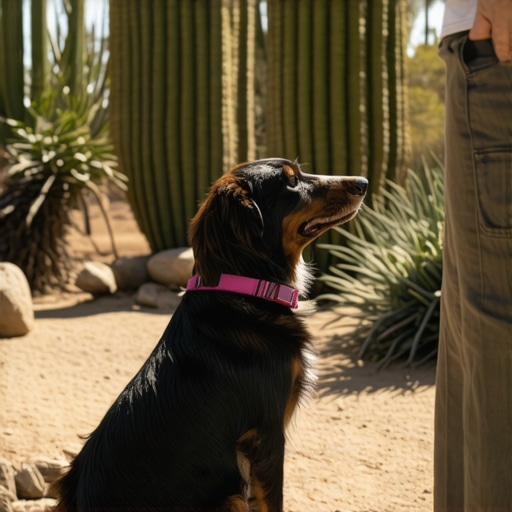
The Reality of Owner-Trained Service Dogs in Arizona
In recent years, more Arizonans have turned to training their own service dogs, driven by the desire for customized support or the challenge of finding the right professional trainer. This trend is rooted in a simple truth: owning a service dog can transform lives, providing independence and safety to individuals with disabilities.
Understanding the Process
Training a service dog is no small feat. It requires patience, consistency, and a clear understanding of legal standards. Owner-trained service dogs must learn specific tasks tailored to their handler’s needs, such as guiding a visually impaired person or alerting for medical conditions. The key is to establish a reliable communication system between the handler and the dog, which often involves positive reinforcement methods.
Legal and Ethical Responsibilities
In Arizona, like other states, there are strict laws protecting the rights of service dog handlers, outlined by the Americans with Disabilities Act (ADA). Owners need to ensure their dogs meet federal criteria as legitimate service animals, which involves proper training and behavior. Moreover, responsible owners understand that a service dog must be well-behaved in public spaces, complying with local regulations and ensuring the safety of others.
What Challenges Do Owner-Trainers Face?
Training a service dog solo isn’t without hurdles. From managing behavioral issues to understanding the nuances of legal compliance, owner-trainers must be prepared to face setbacks. Resources like local training groups and online guides can be invaluable, but the journey demands dedication and perseverance.
For those interested in starting their own training process, exploring community programs in Arizona can provide essential guidance. For example, the [Arizona Dog Training Association](https://azdogtraining.org) offers resources specifically tailored for prospective service dog owners.
Overcoming Behavioral Challenges and Legal Hurdles
One of the most common obstacles faced by owner-trainers is managing behavioral issues that may emerge during training, such as aggression, fear, or distractibility. Addressing these behaviors requires patience and consistent training techniques, often tailored specifically to the dog’s personality and the handler’s needs. Recognizing early signs of behavioral problems and employing positive reinforcement strategies can make a significant difference in the dog’s development.
Case Study: A Success Story in Arizona
Take the example of Sarah, a Phoenix resident with a visual impairment. She embarked on owner-training her Labrador, Max, to assist with navigation and alert her to medical alarms. Through dedication and participation in local training workshops, Sarah was able to teach Max specific tasks that vitalized her independence. These workshops, often hosted by organizations like the Arizona Dog Training Association, provide invaluable guidance and community support that can help owner-trainers navigate complex training phases.
Legal Compliance and Public Education
Beyond training, understanding legal responsibilities is crucial. Under the ADA, service dogs must be under control and well-behaved in public to ensure safety and comfort for everyone. Owner-trainers should familiarize themselves with federal and state laws, including practicing proper public access manners with their dogs. This includes ensuring the dog is leashed, appropriately groomed, and exhibits controlled behavior in crowded or noisy environments.
Additional Resources and Community Support
Arizona offers a range of resources for owner-trainers. Community groups and online forums can provide peer support and troubleshooting advice. For example, Arizona Dog Training Association not only offers in-depth training programs but also hosts meetups where owners share experiences and tips.
The Future of Owner-Training in Arizona
The growing number of individuals training their own service dogs indicates a shift towards more personalized, adaptable assistance for people with disabilities. As more resources become available, owner-trainers are better equipped to meet the challenges ahead. From understanding nuanced behaviors to deepening legal knowledge, the journey enhances both the handler’s confidence and the dog’s effectiveness in daily support tasks.
Refining Training Skills for Complex Tasks
Transitioning from basic obedience to advanced task training is critical for owner-trainers aiming to tailor their service dogs effectively. Focus on shaping behaviors incrementally, breaking down complex tasks into manageable steps. For example, teaching a dog to retrieve specific objects or alert to subtle physiological changes requires precision and patience.
Utilize Targeted Reinforcement Strategies
Implement clicker training or other timing-specific reinforcement methods to clearly signal desired behaviors. Consistency in cues and rewards enhances learning efficiency. Recording training sessions can help identify areas needing improvement and monitor progress over time.
Common Misconceptions About Owner-Training
- Misconception: Only professional trainers can produce reliable service dogs.
- Fact: With proper resources and dedication, owner-trainers can develop effective routines, though challenges vary based on experience and dog temperament.
- Misconception: Training a dog in a short period guarantees success.
- Fact: Service dog training is an ongoing process; patience and continuous reinforcement are essential for reliability in public settings.
How-to Steps for Advanced Owner-Training
- Assess Your Dog’s Aptitude: Ensure your dog is receptive to training and exhibits suitable temperament traits.
- Set Clear Goals: Define specific tasks tailored to your disability needs.
- Develop a Structured Training Plan: Schedule regular sessions focusing on each task and general obedience.
- Incorporate Distraction Training: Practice in various environments, gradually increasing complexity to build public confidence.
- Seek Specialized Resources: Connect with community programs like the Arizona Dog Training Association for workshops on advanced techniques.
Remember, mastering these advanced steps requires perseverance, adaptability, and a continuous desire to learn. Avoid rushing through stages; instead, focus on quality repetition and positive reinforcement. The goal is to create a dependable partner capable of navigating complex real-world situations, ultimately empowering your independence and safety.
Emerging Technologies Supporting Owner-Training
Advancements in technology are revolutionizing how owner-trainers approach service dog education. Wearable devices equipped with GPS, behavioral sensors, and training apps enable handlers to monitor their dogs’ progress remotely, ensuring consistency even in busy environments. These innovations not only streamline training but also provide critical data to detect early signs of behavioral issues, making the training process more effective and safer.
Smart Training Tools and Apps
The rise of specialized apps designed for training coordination offers step-by-step guidance, progress tracking, and resource sharing among the owner-trainer community. Such tools empower individuals to design personalized training programs, understand dog psychology better, and stay motivated throughout their journey.
Changing Legal Landscape and Policies
As the owner-training community grows, legal regulations surrounding service animals are evolving. There is a trend towards clearer definitions of what constitutes a trained service dog, with some states considering certifications or standardized training milestones. This development aims to combat misuse and ensure public safety while preserving the rights of genuine handlers. Staying abreast of these policy shifts is crucial for owner-trainers to remain compliant and confident in public interactions.
Community and Support Networks Driving Success
Local and online communities play a vital role in sharing knowledge, experiences, and emotional support, especially as owner-trainers navigate complex challenges. Virtual groups and workshops facilitate networking with others facing similar circumstances, fostering a collaborative environment for continuous learning and encouragement. These networks are likely to expand further, offering more accessible and personalized assistance for owner-trainers across Arizona.
Upcoming Trends in Service Dog Training Methodologies
Innovations in training approaches emphasize positive reinforcement, minimal aversive techniques, and adaptability to the handler’s unique needs. Hybrid training models that combine traditional methods with behavioral science research are emerging, promising more humane and effective results. Owner-trainers embracing these new methodologies will likely witness quicker progress and stronger bonds with their service dogs.
People Also Ask
How do new training technologies enhance owner training?
They provide real-time feedback, detailed progress tracking, and facilitate remote coaching, making training more accessible and tailored to individual needs.
Frequently Asked Questions
Can I legally train my own service dog in Arizona?
Yes, under the ADA and state regulations, individuals can train their own service dogs as long as the dog meets federal criteria and exhibits proper behavior in public spaces.
What resources are available to assist owner-trainers in Arizona?
Community organizations like the Arizona Dog Training Association offer workshops, guidance, and peer support to help owner-trainers succeed.
How do I ensure my service dog complies with legal standards?
Proper training, behavior in public, and understanding of ADA regulations are essential. Ensuring your dog is well-behaved, leashed, and under control demonstrates compliance.
What are common challenges faced by owner-trainers?
Managing behavioral issues, understanding complex training techniques, and navigating legal requirements are typical hurdles. Patience, resources, and community support are key to overcoming these challenges.
How is technology changing owner-training practices?
Innovations like GPS devices, training apps, and behavioral sensors allow for remote monitoring, enhanced data collection, and more efficient training processes.
The Bottom Line
Training your own service dog in Arizona is a feasible path that offers personalized support and independence. Success hinges on dedication, access to resources, and a thorough understanding of legal responsibilities. As community support and technology advance, owner-trainers are better equipped than ever to develop reliable, effective service animals that significantly improve quality of life.
Get Started Today
Empower yourself with knowledge and connect with local resources to begin or enhance your owner-training journey. Your commitment can lead to a life-changing partnership that fosters greater independence and confidence.