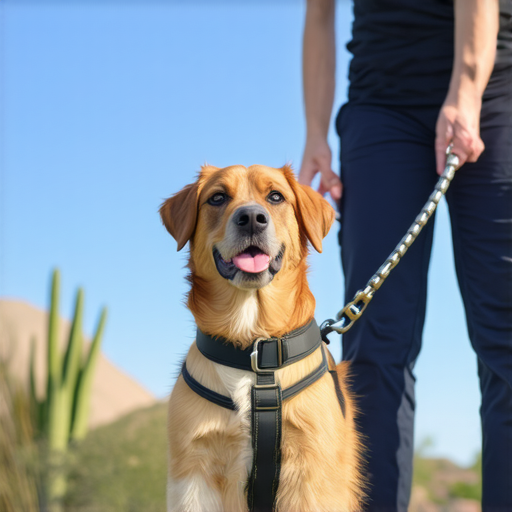

The Truth About Owner-Trained Service Dogs and Hotel Stays in Arizona
Traveling with a service dog can be both a rewarding experience and a logistical challenge. In Arizona, where many pet-friendly hotels accommodate service animals, understanding the nuances can make your check-in process smoother. As more owners choose to train their own service dogs, it’s essential to know the best strategies to ensure a hassle-free stay in 2026.
Why Are Owner-Trained Service Dogs Gaining Popularity?
Owner-trained service dogs often provide personalized assistance, tailored specifically to their handler’s needs. With proper training, these dogs can effectively perform tasks that mainstream service animals might not cover. This trend is growing, especially among individuals who prefer a more hands-on approach to their pet’s education. However, it comes with responsibilities—knowing hotel policies, training standards, and legal protections is vital.
Key Basics Every Handler Should Know
Understanding the legal rights under the Americans with Disabilities Act (ADA) is fundamental. Hotels are required to allow service animals, but they can ask for documentation or proof of the dog’s trained status. Ensuring your dog is well-behaved in public spaces helps avoid misunderstandings. Proper documentation, advanced planning, and respectful communication make the difference during check-in.
How Can You Prepare for Hotel Check-In with Your Trained Service Dog?
Preparation is everything. Before arriving, confirm the hotel’s pet policy and whether they accept service dogs. Carry your dog’s training certifications, veterinarian records, and any necessary medications. A well-trained dog that responds reliably to commands will make interactions easier and demonstrate your compliance with hotel policies.
Mastering Advanced Hotel Policies and Best Practices
While understanding basic rights is crucial, mastery involves proactively navigating and influencing hotel policies to your advantage. Advanced strategies can make the difference between a stressful experience and a seamless stay.
Engaging in Professional Documentation and Verification
To elevate your credibility, consider obtaining formal training certifications from reputable organizations like Assistance Dogs International (ADI) or the National Service Animal Registry. Such certifications, while not legally mandatory, can serve as trust-building tools during hotel interactions, especially with establishments reluctant about owner-trained dogs. Keep these documents accessible digitally and in hard copy for quick sharing.
Leveraging Technology for Record Management
Use specialized apps or digital portfolios that compile your dog’s training history, vet records, and professional assessments. This approach not only streamlines presentation but also demonstrates your commitment to professionalism. Additionally, apps that generate training logs can help track your dog’s behavior and response in different settings, useful when discussing your animal’s training progress with hotel staff.
Negotiation and Relationship Building Tips
- Arrive early: Engage hotel management beforehand if possible, explaining your needs and presenting documentation. Building rapport can lead to more accommodating policies.
- Offer training demonstrations: If appropriate, show hotel staff your dog’s training in action. Responsible handler-staff interactions can foster trust and patience.
- Be flexible: Offer to comply with specific hotel policies such as designated service animal areas or leash requirements, showing your willingness to collaborate.
Common Misconceptions and How to Counter Them
Many misconceptions can hinder owner-trained service dogs’ acceptance. Debunk these early with facts:
- Myth: All hotel staff can identify service dogs legally.
- Fact: Staff require proper training on ADA guidelines; misunderstandings are common.
- Myth: Certification or registration proves your dog is a legitimate service animal.
- Fact: Under ADA, certification isn’t mandatory; legal rights are based on the animal’s trained behavior.
- Myth: Owner-trained dogs are inherently less qualified.
- Fact: Properly trained owner dogs are as valid as professionally trained ones if they meet the required standards.
Ensuring clarity and education fosters an environment of informed acceptance.
Uncovering Hidden Solutions for a Smooth Experience
To navigate complex hotel policies effectively, consider these hidden solutions:
- Alliance with local training organizations: Partnering with professional trainers provides ongoing support, resources, and validation.
- Utilize advocacy groups: Engage with disability rights groups in Arizona for legal advice and support in hotel disputes or policy negotiations.
- Prepare a comprehensive accommodation plan: Document your needs, preferred accommodations, and contingency plans for potential policy conflicts.

I’ve personally navigated the process of traveling with an owner-trained service dog in Arizona and found that proactive communication with the hotel staff makes a huge difference. Carrying comprehensive documentation, like training certifications and vet records, helped smooth the check-in process, especially when some staff reactions were initially uncertain. I also learned that arriving early gives you the chance to explain your needs and demonstrate your dog’s training firsthand, which often results in more accommodating policies. One aspect I’d love to hear others’ experiences with is the new technological tools mentioned, like digital portfolios or RFID tags. Do these innovations make a genuine difference, or are they still more of a future potential? It seems like leveraging these could really streamline compliance and trust, especially as more owner-trained dogs hit the scenes. Overall, Arizona’s legal protections and growing community support are encouraging for handlers willing to prepare thoroughly and advocate confidently. What strategies have worked best for others when it comes to handling reservations for owner-trained service dogs in different hotel chains or regions? It’s inspiring to see how these evolving policies will hopefully lead to more seamless travel experiences for all service dog owners.
This post highlights some crucial aspects of traveling with owner-trained service dogs in Arizona, and I appreciate the emphasis on proactive communication and proper documentation. From personal experience, I’ve found that building a good rapport with hotel management beforehand can really ease the process. I’ve also explored some of the emerging technological solutions mentioned, like digital portfolios and RFID tags. While these tools seem promising for enhancing trust and verification, I wonder how widely they are actually being adopted in the hospitality industry yet. Has anyone here tested these tools in real-world hotel settings, and if so, what was your experience?
Additionally, I’m curious about the legal protections in Arizona beyond the ADA—are there any specific state laws that further support owner-trained service dogs? Staying informed about the legal landscape is vital, especially as more individuals train their own dogs. To those planning future trips, what additional steps are you taking, like engaging with advocacy groups or attending local training support meetings? Combining these approaches can make a significant difference in ensuring smooth accommodations for owner-trained service animals.
This post provides some really valuable insights into traveling with owner-trained service dogs in Arizona, especially around the importance of advance preparation and understanding hotel policies. I agree that proactive communication and carrying the right documentation can prevent many common issues at check-in. I’ve personally found that arriving early not only helps in explaining your needs but also allows enough time to introduce your dog calmly to staff, which often results in a more relaxed experience. The emerging technological tools like digital portfolios and RFID tags sound promising, but I wonder about their current adoption rates among hotels—has anyone had firsthand experience using these tools during their travels?
In my travels, I’ve also explored utilizing online support communities for advice on navigating different hotel chains’ policies. Have others found these community resources helpful for sharing strategies or negotiating accommodations? It seems that a combination of good documentation, community support, and understanding legal rights can really make a difference. What personal strategies or tools have others used to make their stays more seamless, especially in regions with varying policies? It’s encouraging to see Arizona leading in protective policies and innovative solutions for owner-trained service dogs.
Reading through this comprehensive overview really highlights how important it is for owners of trained service dogs to be proactive in understanding both legal rights and hotel policies. I personally found that maintaining a calm, confident demeanor when explaining your dog’s trained status can really foster trust with hotel staff. During one trip in Arizona, I made sure to arrive early and presented all of my documentation, including my certification and vet records, which helped prevent any misunderstandings at check-in.
I’m particularly interested in whether others have experimented with the tech tools mentioned, such as digital portfolios or RFID tags. In my experience, while they seem promising for verification, their actual adoption rate among hotels still varies. Has anyone had success using these tools and noticed a real difference in accommodation ease? Also, how do you balance ongoing training and socialization with the need for traveling, especially in diverse environments? It’s great to see Arizona leading the way in support and regulation for owner-trained service dogs.