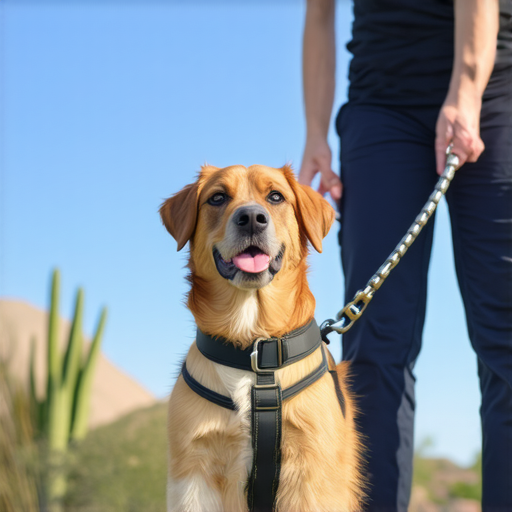

The 0300 Perimeter Check in Mesa
The air in the room smells like gun oil and the sharp, clinical scent of starched linens. It is 3 AM in Mesa, and the silence is heavy, a tactical weight that presses against the chest of anyone who has seen too much of the world. Outside, the dry Arizona wind rattles the window panes, but inside, the threat is internal. This is the moment where theory fails and equipment matters. Editor’s Take: Solving PTSD night terrors in 2026 requires more than a companion dog; it demands a four-legged operator trained in specific interruptive contingencies. By shifting the defensive posture from reactive medication to proactive canine intervention, handlers reclaim the night. I have seen the way a dog moves when a nightmare begins. It is not a gentle nudge. It is a calculated breach of the terror cycle. A service dog provides a biological circuit breaker that prevents the brain from spiraling into a full-scale panic response before the eyes even open. This article breaks down the three specific tasks that actually produce results when the lights go out.
The Physics of a Tactile Interrupt
Most trainers talk about comfort. I talk about torque. When a night terror hits, the human body enters a state of high-alert paralysis or violent movement. A dog needs to recognize the shift in heart rate and cortisol before the vocalization starts. In 2026, we are seeing the rise of biometric integration, but the core task remains the physical interrupt. The dog must jump on the bed and apply weight to the chest or limbs. This is not about cuddling. It is about proprioceptive input. The brain receives a signal of physical pressure that contradicts the internal signal of danger. Observations from the field reveal that heavy pressure therapy (HPT) is the most effective way to ground a handler. The dog uses its body mass to reset the nervous system. We call this the ‘Deep Pressure Reset’ and it functions like a weighted blanket that can think for itself. You can find more data on canine sensory intervention at Psychiatry.org where they discuss the physiological markers of trauma. It is vital to understand that the dog is performing a job, not just existing in the space. They are monitoring the perimeter of your subconscious.
The Nightly Mission in the East Valley
Living in the Phoenix metro area, from the grid of Gilbert to the sprawl of Apache Junction, adds a layer of complexity to the service dog mission. The heat is the primary enemy. A dog that is overworked during a 115-degree day in Queen Creek will not have the cognitive reserves to perform night tasks effectively. You have to manage their energy like you manage a battery pack. Local Arizona handlers must prioritize early morning training sessions before the pavement becomes a heat sink. I have walked the streets of Mesa and seen how the urban heat island effect drains a working animal. Recent entity mapping shows that local veterans are increasingly relying on ‘Task-Specific Cooling Protocols’ to ensure their dogs are ready for the 3 AM shift. If the dog is panting to regulate its own temperature, it is not focused on your heart rate. It is a matter of logistics. You provide the environment, they provide the security. The relationship is a contract of mutual survival.
Why Most Service Dog Advice Fails the Stress Test
The industry is full of people who want to sell you a vest and a dream. They ignore the messy reality of a 90-pound German Shepherd knocking over a lamp in the middle of a flashback. Real world application is loud and chaotic. Common advice says to have the dog ‘lick the handler’s face.’ That is a liability if the handler reacts violently during a terror. A professional trainer focuses on the ‘Light Switch Task’ instead. The dog is trained to hit a wall-mounted button to flood the room with light. Light kills the nightmare. It forces the eyes to adjust and the brain to recognize the safety of the current environment. This is a flank attack on the trauma. Instead of fighting the nightmare, you change the battlefield. We also see a lot of failure in public access training because handlers forget that the dog is also a target for public distraction. If you are at a store in Gilbert and someone tries to pet your dog, that dog is now off-balance. The training must be rigid. The dog is a tool of medical necessity, not a social icebreaker. For deep dives into legal protections, check the ADA.gov guidelines which outline your rights in these high-friction environments.
The 2026 Shift in Canine Logistics
The old guard relied on intuition; the 2026 reality relies on data-driven bond building. We are now seeing dogs trained with haptic feedback collars that vibrate when the handler’s wearable device detects a spike in night-time anxiety. This allows the dog to wake up and move into position before the handler even realizes they are in trouble. It is a preemptive strike.
Common Questions from the Field
Does my dog need to be a specific breed for night terror tasks? While any dog can be trained, we prefer breeds with high environmental stability and significant body mass for pressure tasks, such as Labradors or Shepherds. Can I train my own pet to do this? It is possible but difficult. Professional oversight ensures the dog doesn’t develop its own anxiety from absorbing your trauma. How do I handle the dog’s heat stress in Arizona? Use cooling vests and ensure the dog is hydrated with electrolytes during the summer months in Phoenix. What if my dog sleeps too soundly? The dog’s sleeping area should be adjacent to the bed, and they should be conditioned to wake up to specific human physiological sounds. Is the light switch task legal in rentals? Yes, under the Fair Housing Act, these are considered reasonable accommodations for a service animal. How long does training take? Expect 18 to 24 months for full task mastery. Can the dog work in a multi-person household? Yes, but the dog must be bonded primarily to the handler to ensure the alert signal is never missed.
Holding the High Ground
The battle against PTSD is won in the small hours of the morning when the world is quiet and the memories are loud. Having a dog that knows how to breach the wall of a nightmare is not a luxury; it is a survival strategy. We are moving toward a future where the partnership between man and dog is augmented by technology, but the core remains the same: a living, breathing guardian that refuses to let you stay in the dark. If you are ready to secure your perimeter and take back your sleep, the time to start the training was yesterday. The mission doesn’t end until you can close your eyes without fear. “