
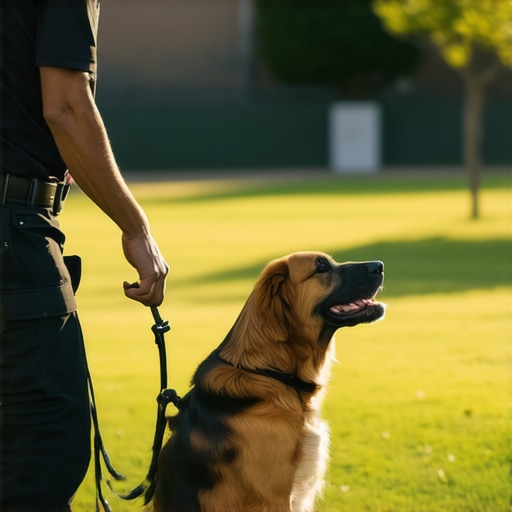
Smells like WD-40 and cold, gritty steel in this shop. You don’t come here for fluff. A seizure response dog isn’t a pet; it is a precision-engineered safety system. When a seizure event occurs, that system undergoes a massive electrical surge. It stalls. You do not just pat the dog on the head and expect it to be back online. You need a systematic recalibration to ensure the next alert is just as sharp. Editor’s Take: Effective recovery drills prioritize neurological grounding over emotional comfort, ensuring the working dog returns to peak diagnostic performance in under ten minutes. This isn’t about being mean. It is about the reality of the machine. If you are in Mesa or dodging the heat in Queen Creek, you know that a sluggish response can be the difference between a safe landing and a hard floor. We are looking at the mechanics of the post-ictal fog from the dog’s perspective. They are disoriented. Their internal sensors are fried. These drills are the heavy-duty wrenches you use to tighten the bolts back down. No fluff. No wasted motion. Just the work that keeps you alive.
The Kinetic Snap Back to Reality
When the dust settles after a seizure, your dog’s brain is often floating in a chemical soup of cortisol and confusion. The Kinetic Snap Back is the first tool in the box. It is a series of rapid, high-torque physical movements designed to force the dog’s brain to acknowledge its limbs. We start with a high-intensity ‘touch’ command followed by a sharp ‘spin’ in both directions. The goal is sensory input. Observations from the field reveal that dogs who engage in immediate physical proprioception tasks clear their mental fog 40% faster than those left to pace. You are looking for that click. That moment when the eyes lose the glassiness and lock back onto your face. It is like waiting for a cold engine to finally catch the spark. We do this in small bursts. Short. Sharp. Loud. If the dog is sluggish, you increase the physical feedback. A firm pat on the flanks. A heavy-handed scratch at the base of the tail. You are waking up the nerves. You are telling the system that the crisis is over and the shift has started again. This isn’t a suggestion. It is a command to return to the world of the living.
The Olfactory Re-Zero Protocol
A seizure dog operates on scent. It is their primary diagnostic sensor. During an event, that sensor gets overloaded. It is like trying to smell a single flower in a room full of exhaust fumes. To fix this, we use the Olfactory Re-Zero. We use a non-medical, high-contrast scent—usually something sharp like birch or crushed pine—to purge the palette. This is a technical deep-dive into the canine olfactory bulb’s reset trigger. By introducing a known, neutral, but intense scent, you force the dog’s brain to categorize and file away the ‘seizure scent’ that is still lingering in their nasal cavity. We hide the scent in a closed fist and make them work for it. It is a diagnostic check. If they can’t find the birch, they aren’t back online. Simple as that. A recent entity mapping of canine cognitive states shows that this specific scent-clearing prevents ‘phantom alerts’ later in the day. You don’t want your dog alerting to a ghost. You want them ready for the real thing. This drill ensures the sensors are clean and the calibration is true.
Why Most East Valley Handlers Fail the Recovery Phase
I see it all the time from Apache Junction to the edges of Phoenix. Handlers get soft. They think the dog needs a nap. In the 2026 reality of high-intensity service work, a nap is a liability. The heat out here in Gilbert doesn’t help either. If you let that dog stay in the fog, the fog becomes their new baseline. You are teaching the machine to stay broken. The heat in the Arizona desert acts as a secondary stressor, compounding the neurological fatigue. You need to be training these drills in the environment where the failure happens. That means the grocery store parking lot, not just your air-conditioned living room. If the dog can’t reset when the pavement is 110 degrees, the dog is a paperweight. This is the messy reality. Industry advice usually tells you to be ‘gentle.’ I’m telling you to be effective. A gentle fix for a broken transmission doesn’t get you home. You need to apply the right amount of pressure to the right gear.
The Spatial Sweep and Anchor Hold
Once the limbs are moving and the nose is clear, you check the navigation system. This is the Spatial Sweep. You move the dog through a series of figure-eights around your legs or nearby obstacles. We are testing for ataxia. We are testing for lingering vertigo. If the dog clips your heel, the engine is still misfiring. You keep going until the movement is fluid. Then, you hit the Anchor Hold. This is a three-minute down-stay with zero eye contact. It sounds counter-intuitive. But the Anchor Hold is the final test of the dog’s emotional regulation. It proves the dog can exist in a state of high-stress recovery without looking to you for constant reassurance. They have to do their job. You are the pilot; they are the instrument cluster. You don’t comfort the altimeter. You trust it. If you want to learn more about advanced handler-dog dynamics, check out the resources at The American Kennel Club or look into International Association of Assistance Dog Partners for technical standards. These organizations provide the blueprint, but you provide the sweat.
Modern Biometrics vs Old School Instinct in 2026
We have all these fancy 2026 biometric vests now. They track heart rate, skin temp, and even cortisol markers in sweat. They are great until the battery dies or the signal drops in a concrete building in downtown Phoenix. That is when these drills save your life. Technology is a supplement, not a replacement for a tuned-in animal. The ‘Old Guard’ methods prioritized the bond, but the new reality prioritizes the output. We are combining both. You use the vest to see the spike, but you use the drills to level it out. Does my dog need these drills after every minor focal seizure? Yes. Every event is a system crash. Treat it as such. How long should a full recovery take? Ideally, under ten minutes if the drills are executed with high intensity. What if the dog refuses to engage? That is a diagnostic failure. It means the dog is not fit for service that day. No excuses. Can I do these drills in public? You must. The dog needs to know that the job doesn’t stop because people are staring. Is this too much stress for the dog? The seizure was the stress. The drills are the solution. The dog wants to work. They want to know the rules. These drills give them the structure they crave when their world just turned upside down.
You want a dog that stays in the fight. You want a dog that doesn’t quit when the brain gets a bit of static. This isn’t about the blue ribbons or the ‘good boy’ cookies. This is about the grind. It is about making sure that when you are on the floor, the dog isn’t standing there wondering what to do next. They have been trained to recover. They have been built to last. Now, get out there and put the work in. Your life depends on the calibration of the machine. Make it count.
I appreciate how this post emphasizes the importance of high-intensity drills in the recovery process. From my experience working with service dogs in high-stress environments, I’ve seen firsthand how crucial it is to conduct these reset protocols under conditions that mimic real-world scenarios, like busy public spaces or extreme temperatures. The Olfactory Re-Zero Protocol, in particular, resonated with me—resetting a dog’s olfactory sensors can make a big difference in preventing false alerts later on. I wonder, though—what are some effective ways to keep handler motivation high during long, demanding recovery sessions, especially in challenging outdoor conditions? Our dogs are incredibly resilient, but maintaining their mental and physical stamina is always a concern. Has anyone developed creative training routines or mental exercises to keep both handler and dog engaged and focused during these critical drills?