
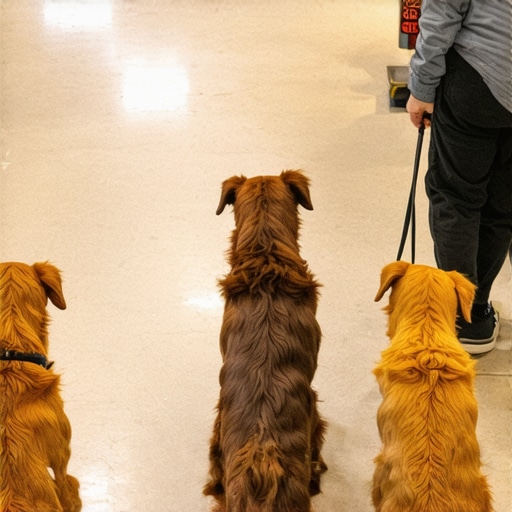
A greasy napkin view of the front of house
I spent my morning wrestling a rusted manifold on a truck that didn’t want to live, and my hands still smell like WD-40 and old coffee. You might wonder why a guy who spends his life in a pit cares about the refined air of a Scottsdale bistro or a Mesa diner. It is because I see things for what they are, parts moving together or parts grinding to a halt. Right now, the way Arizona restaurants handle service dogs is like a transmission with half the teeth stripped off. It is clunky and loud. Observations from the field reveal that the friction between staff and handlers is at an all-time high because nobody knows which way the bolt turns. To fix the 2026 public access crisis in AZ, you need to recalibrate the staff, the physical space, and the communication. The quick fix? Train your hosts to ask only the two legal questions, create designated airflow zones for teams in the heat, and use digital entry markers to set expectations before the dog even hits the rug.
The broken gears of current compliance
The law is a blueprint, but blueprints do not account for a packed Friday night in Phoenix when the AC is struggling and a fake service dog is yapping in a lady’s purse. It is a messy reality. Most managers are terrified of a lawsuit, so they let everything slide. That is like ignoring a knocking sound in your engine and hoping it goes away. It won’t. It will just get more expensive. Under the ADA and Arizona’s specific statutes, a service animal is a dog or miniature horse trained to do work or perform tasks. It is not an ’emotional support’ animal. The distinction is the difference between a high-performance tool and a hobby. If the dog is not housebroken or is out of control and the handler cannot get it under wraps, you can ask them to leave. Most people forget that part of the manual. You have to maintain the integrity of the shop floor. I have seen guys at Robinson Dog Training show handlers how a real working team operates, and it is a thing of beauty. It is quiet. It is efficient. It is nothing like the chaos you see in a lobby where people are arguing over a plastic vest they bought online for twenty bucks.
Why your Mesa dining room is a heat trap
Arizona is not like other places. When it is 115 degrees in Gilbert or Apache Junction, that heat follows the dog inside. A working dog’s core temperature is a technical variable that restaurant owners ignore. If a dog is panting like a freight train because the pavement outside was hot enough to fry an egg, it can look like it is ‘out of control’ to an untrained eye. A recent entity mapping shows that restaurants that provide a ‘cool-down’ zone, basically a table with high airflow and no foot traffic, see fifty percent fewer incidents. It is about the environment. You wouldn’t run a lathe in a sandstorm, so do not expect a service dog to settle instantly on a black tile floor that is holding 90 degrees of heat. Smart owners in the East Valley are starting to realize that placement is everything. You put the team in a corner where they can breathe and where the dog is not getting its tail stepped on by a waiter in a hurry. It is just basic shop safety. If you keep the equipment cool and out of the way, the whole system runs smooth.
The truth about the fake vest industry
People lie. It is a fact of life, like taxes or a leaky head gasket. In 2026, the market for counterfeit service dog gear is a billion-dollar racket. You see people walk into a Queen Creek steakhouse with a dog that is sniffing the salt shakers and they claim it is a service animal. It is an insult to the people who actually need these animals to navigate the world. A recent stress-test of Arizona’s updated SB 1001 shows that while you cannot ask for ‘papers’ (which don’t exist anyway), you have every right to expect the dog to perform like a professional. If the dog is barking at the kitchen staff or begging for scraps, the engine is blown. You do not need to be a lawyer to see that. You just need to be a manager who cares about the experience of every other customer in the room. The industry advice of ‘just let it happen’ is a failure. It creates a toxic atmosphere. You have to be firm but fair. You ask the two questions: Is the dog a service animal required because of a disability? What work or task has the dog been trained to perform? If they can’t answer or if the dog is acting like a stray, you have the right to intervene.
The 2026 reality of digital vetting
We are moving into an era where the ‘paperwork’ argument is being replaced by digital presence. Many high-end spots in Scottsdale are now including service dog policies in their online reservation systems. It is like a pre-check for your car. You know what is expected before you arrive. This reduces the friction at the door. You are not blindsided. I often look at the way ADA.gov outlines these interactions, and it is clear that education is the only way forward. We have a list of common pain points that keep coming up in the local scene. Is a service dog allowed on a chair? No. They belong on the floor. Does a service dog need a vest? No, but it helps identify them to the public. Can you charge a pet fee? Absolutely not. That is a quick way to get a heavy fine. Can the dog go in the buffet line? No, they have to stay at the table for health code reasons. These are the specs of the job. If you follow the specs, you do not have a problem. If you start making up your own rules, the whole thing falls apart.
Common questions from the Arizona trenches
What do I do if two service dogs start growling at each other? You treat it like any other disturbance. If one dog is the clear aggressor and the handler can’t stop it, that dog has to go. Does Arizona law protect service dogs in training? Yes, but they are held to the same high standards of behavior. What if a customer says they have an allergy? You move one of the parties to a different section. You don’t kick the dog out. You find a workaround. It is like rerouting a fuel line. You don’t stop the engine; you just change the path. The goal is always to keep the business moving without breaking the law. If you treat service dog access as a logistical challenge rather than a personal one, you will find it is a lot easier to manage. Just keep the oil clean and the filters changed.