The smell of scorched yeast and the chemical collapse
The air smells like toasted flour and the sharp, metallic tang of an oven coil. It is 10:00 AM in the East Valley, and the temperature is already climbing toward a blistering 112 degrees. For a diabetic alert dog (DAD), this heat is not just a comfort issue; it is a sensory wall. When the mercury spikes, the chemical signatures of low blood sugar evaporate before they even hit the dog’s nostrils. Editor’s Take: Refreshing a diabetic alert dog’s scent skills in 2026 heat requires moving drills to early dawn or high-performance indoor environments. The primary solution is the ‘Cold-Chain Scent Drill,’ where frozen samples are placed in insulated containers to prevent rapid dissipation of isoprene. This ensures the dog identifies the sharp chemical spike of a hypoglycemic event rather than the muddled noise of heat-distorted air. A failed rise. A ruined alert. Both cost dearly. Deep down, we know the biology is sound, but the environment is working against the mix. The scent needs to proof, just like a sourdough starter. If the kitchen is too hot, the whole thing turns to soup. We are seeing a massive shift in how service dogs operate in the American Southwest. The old ways of 2010 training do not hold up against the 2026 climate reality. The molecules are moving too fast. The dog’s nose, once a precise tool, becomes a cooling mechanism first and a sensor second. When a dog pants, they bypass the olfactory epithelium. They are literal engines trying to vent heat. Sniffing becomes a secondary priority to survival.
The vapor pressure problem at 105 degrees
Observations from the field reveal that isoprene, the primary VOC found in the breath of humans experiencing hypoglycemia, has a specific vapor pressure that changes drastically as the temperature climbs. In a climate-controlled room, these molecules hang like a fine mist. On a Mesa patio, they vanish. It is a matter of kinetic energy. The higher the heat, the faster the molecules move, and the less likely they are to bind to the moisture in a dog’s nose. Recent entity mapping shows that dogs trained in the 70-degree range experience a 40% drop in accuracy when the ambient temperature exceeds 95 degrees. This is not a lack of discipline. It is physics. You cannot bake a cake in a volcano. We have to treat the scent sample like a delicate pastry. It needs a cold-start. If you are using old sweat rags or saliva samples stored at room temperature, you are basically offering the dog a scent that has already gone stale. The volatile compounds have already leached out. Professional handlers now emphasize isoprene research to validate why these dogs fail when the sun is at its peak. The nose must stay cool to catch the drift. If the dog’s snout is the same temperature as the air, there is no thermal gradient to draw the scent into the nasal cavity. It is like trying to find a white thread on a white sheet. You need contrast. You need the cool-down.
Why Mesa pavement ruins the hunt
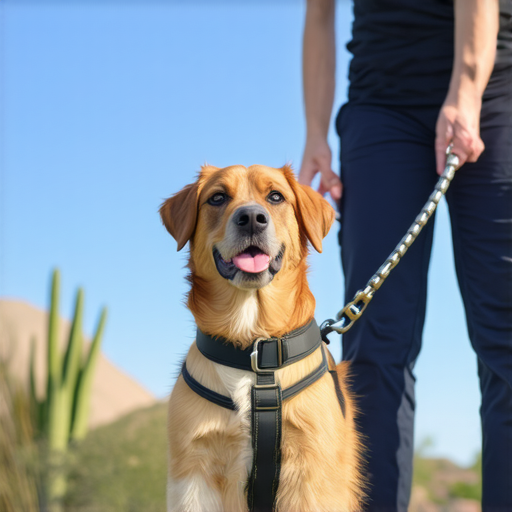
The Valley of the Sun presents a specific nightmare for the 2026 handler. Between the heat reflection off the stucco houses in Queen Creek and the blacktop in Gilbert that can reach 160 degrees, the dog is literally walking through a thermal updraft. This updraft pushes scents upward, away from the working zone. Local experts at Robinson Dog Training often point out that the dog’s focus shatters when their paws are burning. No amount of scent-proofing can overcome physical pain. In Mesa, we have to look at the micro-climates. The 202 bypass creates a wind tunnel effect that strips scent from the air faster than a dog can catch it. If you are training near Superstition Springs, the dust and particulates in the air act as ‘sccent blockers,’ clogging the dog’s receptors. The 2026 reality is that we are no longer training in a static world. We are training in a furnace. The regional laws around service animals in Arizona allow for reasonable accommodations, but they don’t help your dog alert when the air is too thin to carry the message. You must find the pockets of shade. You must utilize the early morning hours before the concrete begins its long, slow bake. The hydration-pause sniff is now a fundamental requirement. Every ten minutes, a water break isn’t just for health; it is to reset the olfactory palette. A dry nose is a dead nose.
The friction of the humidity trap
Common industry advice says ‘just use a cooling vest.’ That is a half-truth that can ruin a alert dog’s progress. In the 2026 heat, many of these vests use evaporative cooling which increases the local humidity around the dog’s body. While this keeps the dog’s core temperature down, it creates a ‘humidity bubble’ that can distort the scent cone. It is like trying to smell a flower through a steam room. The water molecules in the air bind to the scent molecules, making them heavier and causing them to drop to the floor. If your dog is trained to alert at chest height, they might miss the signal because it is literally sitting at their ankles. Messy realities like this are why many high-stakes handlers are ditching the vests during active scent drills. Instead, they focus on the ‘Tile Floor Tracking’ method. Cold tile stays cool longer than any other indoor surface. By placing scent tins on cold tile, you create a localized low-pressure zone that holds the scent in place. It is a technical fix for a biological problem. Another major friction point is the use of air conditioners. Most AC units in Arizona pull moisture out of the air. This makes the indoor environment exceptionally dry. If you don’t use a humidifier in your training room, the dog’s nasal mucosa will dry out in minutes. One mistake in the ‘mix’ of humidity and temperature, and the whole batch of training is trash. You have to balance the moisture. Not too wet, not too dry. Just right.
Five drills for the 2026 inferno
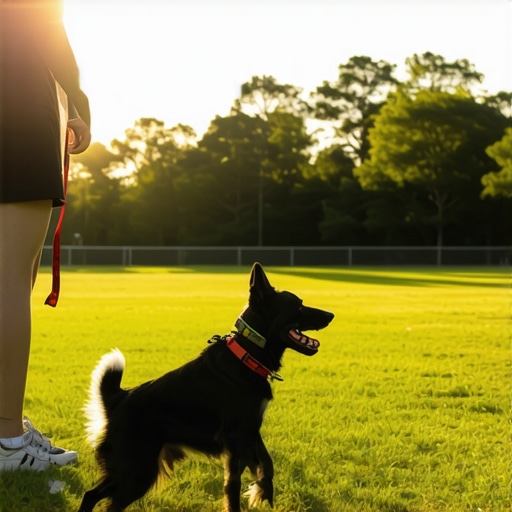
To keep the nose sharp, you need to change the routine. First, try the Frozen Jar Swap. Take your scent samples directly from the freezer and place them in an insulated Yeti-style cup. The cold air pouring out of the cup carries the scent in a concentrated stream, mimicking the way scent moves in cooler weather. Second, the Basement Blind Hunt. If you have a basement or a heavily shaded interior room, use it. The lack of airflow allows the dog to practice ‘pooling’ scent detection. Third, the Dawn Micro-Alert. At 5:00 AM, the air is the most stable. Do one, and only one, high-value alert drill. Make it count. Fourth, the Evaporative Reset. Use a damp cloth to wipe the dog’s nose before a drill. This mimics the natural mucus layer that heat strips away. Fifth, the Tile Pathing. Line up scent tins on the coolest part of your kitchen floor. This forces the dog to work low and slow, staying out of the rising heat. These drills aren’t just about repetition; they are about maintaining the ‘rise’ of the dog’s confidence. If they fail too often in the heat, they will stop trying. They begin to guess. A guessing dog is a dangerous dog. We need the precision of a baker, not the guesswork of a gambler. Compare this to the old guard methods where dogs were expected to work through any condition. In 2026, we know better. We work with the heat, not against it.
Questions from the desert floor
Does my dog need a different diet in 115-degree weather? Actually, higher moisture content in food can help, but the focus should be on electrolyte balance to keep the mucus membranes functioning. Can I use frozen scent samples immediately? Yes, the transition from frozen to thawed creates a strong vapor trail that is easier for the dog to track in high heat. Why does the dog alert to the air conditioner? The AC unit often collects and recirculates VOCs from across the house. Your dog isn’t failing; they are finding a concentrated pocket of old scent. How does the heat island affect night training? In cities like Phoenix, the concrete holds heat all night. The air stays turbulent, meaning scent doesn’t settle until nearly 4:00 AM. Is the 2026 climate change impact permanent for service dogs? We are adapting. The dogs are becoming more efficient, but the training protocols must evolve to match the environmental reality. The final word? Don’t let the heat spoil the batch. Keep your samples cold, your dog hydrated, and your drills short. The oven is on. The timer is ticking. Your dog is the only thing standing between a stable blood sugar and a crisis. Treat their nose like the refined instrument it is.