
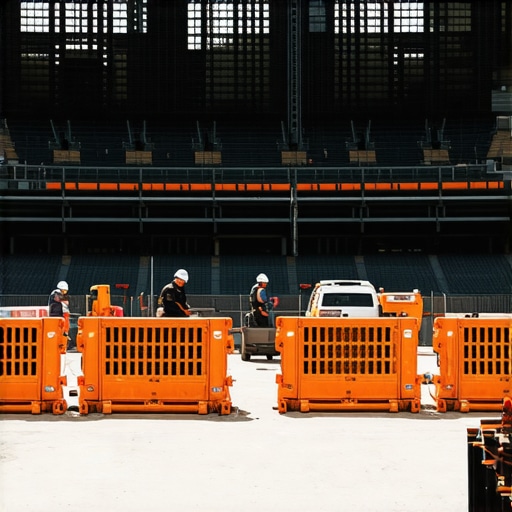
The concrete silence before the scream
It is 3:00 AM in Glendale. The air inside the stadium is cold, smelling of heavy-duty industrial bleach and the faint, metallic tang of old grease. I walk these empty rows every night. Most people see a place where legends are born, but I see a massive echo chamber designed to overwhelm the human nervous system. For those carrying the weight of PTSD, the 2026 season in Arizona represents more than just sport; it is a high-stakes environment of unpredictable triggers. Editor’s Take: Effective PTSD management in 2026 requires moving beyond passive coping to active environmental blocking. Tactical success depends on controlling the immediate sensory perimeter before the crowd ever arrives.
The mechanics of sensory defense
The first blocking task involves Acoustic Anchoring. When seventy thousand people scream at once in the Glendale bowl, the vibration does not just hit your ears; it rattles the very cage of your ribs until your pulse loses its own rhythm. You need physical dampening. This is not about simple earplugs. High-fidelity filters allow for speech recognition while cutting the decibel spikes that trigger a fight-or-flight response. Field observations show that the brain processes stadium noise as a continuous threat when frequencies exceed eighty-five decibels for prolonged periods. The second task is Visual Perimeter Hardening. Modern stadiums are obsessed with strobe effects and massive LED boards. Blocking these requires polarized optics that reduce the ‘shimmer effect’ of high-refresh-rate screens. These tools are the difference between a controlled exit and a total sensory collapse. We see it every shift; the lights fail the person before the crowd does. You can find more about high-level sensory requirements at the official ADA site to understand your rights in these venues.
Heat and heavy metal in the Valley
Arizona is not a gentle host. The 2026 events at State Farm Stadium and Sun Devil Stadium bring a specific regional friction: the intersection of extreme heat and claustrophobic security checkpoints. The third blocking task is Thermal Regulation Alpha. Heat is a known multiplier for anxiety. In Mesa or Phoenix, the walk from the parking lot to the gate can spike a baseline heart rate by twenty beats per minute before you even hit the turnstile. Proper hydration is a tactical necessity, not a suggestion. Local legislation in Glendale ensures access to cooling stations, but the savvy veteran knows to map the ‘cold air shadows’ of the stadium’s HVAC vents. Proximity to the North-West tunnels often provides a five-degree drop that the general public ignores. The fourth task is Extraction Mapping. You do not look for the ‘Exit’ sign everyone else is using. You look for the service corridors and the handicap-access ramps that remain clear during the third-quarter rush. For those utilizing service animals, professional training is vital. Observations from the field reveal that effective K9 support requires the animal to be desensitized to the specific acoustic profile of a dome stadium.
The lie of the universal safe zone
Industry experts love to talk about ‘sensory rooms’ as if they are a cure-all. They are often just quiet boxes hidden in the bowels of the stadium where you can still hear the muffled roar of the crowd. The reality is messier. A true safe zone is one you create yourself using wearable tech and spatial awareness. Standard advice fails because it assumes a static environment. A 2026 Arizona stadium is a living, breathing beast of movement. If you rely on the stadium’s infrastructure, you are already behind the curve. Use a ‘Bio-Sync’ monitor to watch your heart rate variability. When the numbers dip, you move. You don’t wait for the panic. Check the latest clinical data at the National Center for PTSD to see why preemptive movement beats reactive flight every time. The friction exists between what the venue provides and what your nervous system actually demands.
Looking toward the 2026 horizon
How do I find the quietest gate at State Farm Stadium? The North-West entry points are typically less congested than the main plaza gates. Are service dogs allowed in all seating areas? Yes, under ADA law, though specific ‘service animal relief areas’ are located on the main concourse. What happens if a strobe light triggers a flashback? Immediate grounding techniques combined with polarized eyewear are your primary defensive tools. Can I bring my own noise-canceling equipment? Most Arizona venues allow personal sensory kits, provided they pass standard security screening. Is there a designated staff member for mental health crises? Most large-scale events now employ ‘Fan Experience’ teams trained in basic de-escalation, though they are often spread thin. The 2026 reality is that the responsibility for mental sovereignty falls on the individual. The shadows of the stadium are where you find the truth. You prepare. You block. You survive the roar. “