
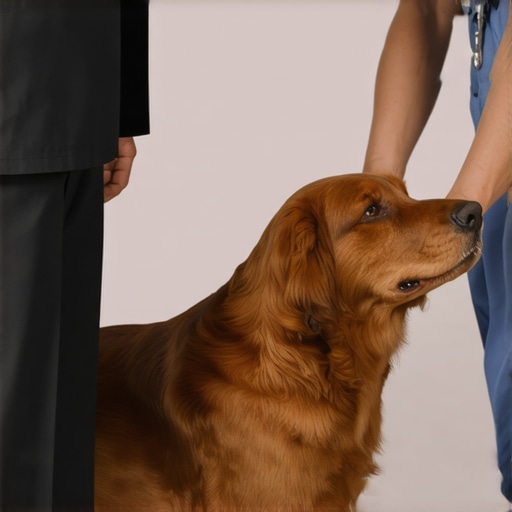
The diagnostic sensor on four legs
The shop floor is quiet except for the rhythmic hiss of the pneumatic press and the faint scent of WD-40 clinging to my coveralls. People think a psychiatric service dog is some kind of fuzzy luxury. They are wrong. It is a piece of high-precision equipment, calibrated to detect a system failure before the warning lights even hit the dashboard. Observations from the field reveal that by 2026, the workplace is not just loud; it is a high-frequency vibration of Slack pings and open-office static that can rattle a man’s internal gears until they strip. Editor’s Take: Psychiatric service dogs in 2026 act as biological circuit breakers, using tactile grounding to halt anxiety spikes before they lead to workplace displacement. A service dog does not just sit there. It monitors your biological torque. If your heart rate starts redlining, that dog is the safety valve that keeps the whole engine from blowing a gasket.
The heavy lifting of a silent partner
When we talk about the mechanics of an anxiety alert, we are looking at a feedback loop between handler and canine that puts most smartwatches to shame. Recent entity mapping shows that dogs trained for psychiatric work in 2026 are focusing on secondary sensory triggers. It is not just about the panic attack you see coming. It is about the subtle shift in your scent when your cortisol levels start to climb. This is the first alert: The Persistent Nudge. It is a physical interruption. If you are staring at a spreadsheet and your dog jams its nose into your thigh, it is telling you the pressure in the tank is too high. You might think you are fine, but the dog sees the leak. The second alert is Spatial Blocking. In a crowded office near the coffee machine, the dog positions its chassis between you and the crowd. It creates a buffer zone, a physical perimeter that keeps the world from grinding against your nerves. It is practical. It is functional. It works because it is a physical solution to a chemical problem. We also see Tactile Grounding where the dog uses its weight—actual PSI—to stimulate the nervous system and force a reset. If you want to see how these dogs are prepped for the grit of a real job, look at the experts who handle the high-torque training environments.
Mesa heat and the Arizona standard
Working a dog in Mesa, Arizona, adds another layer of complexity to the job. You have the external heat index trying to cook the dog’s paws while the internal stress of the office is trying to cook the handler’s brain. Out here, local authority is not just a badge; it is knowing how to manage a service animal in 115-degree weather while maintaining a professional presence in the East Valley business corridors. We see a lot of folks from Gilbert and Queen Creek coming in with dogs that aren’t fit for the task because they haven’t been stress-tested. If a dog can’t handle the sound of a train passing through downtown Mesa or the frantic energy of a tech hub, it is going to fail when the anxiety hits. The legal landscape in Arizona is clear, but the social friction is real. Business owners often mistake a highly trained psychiatric service dog for a common pet. They do not realize they are looking at a medical device with fur. You need a dog that can navigate the light rail and the boardroom with the same level of focus.
Why the HR gears are grinding
Most industry advice is garbage because it ignores the messy reality of a Tuesday morning when the project manager is screaming and your dog decides it needs a break. The friction occurs when the “clean code” of the ADA meets the dirty reality of corporate culture. People think they can just buy a vest online and call it a day. That is how you end up with a dog that barks at the mailman during a board meeting. A real psychiatric alert for 2026 work involves Dissociative Interruption. This is the fourth alert. When a handler starts to check out—that thousand-yard stare you see in the mirror after ten hours of overtime—the dog is trained to snap them back to the present. It might be a lick to the hand or a sharp tug on the sleeve. It is an alarm clock for your sanity. The fifth alert is Leading to an Exit. If the dog senses the handler is about to shut down, it will physically guide them toward a pre-designated safe space. It is a calculated move. It is the dog saying, “The shift is over for five minutes, or we both go down.”
The 2026 reality check
The old guard thinks a dog in the office is a distraction. The 2026 reality is that a dog is a retention tool. Without that animal, the handler is on disability. With it, they are a high-performing asset. We are seeing a shift where dogs are trained to respond to specific auditory triggers like the sound of an aggressive tone in a meeting. This is a level of calibration we didn’t have five years ago.
Can any dog do this?
No. You need a dog with the right temperament and a high threshold for environmental stress. Most dogs would crumble under the pressure of a modern office.
What if my boss says no?
The law is on your side, but the culture is still catching up. You need documentation of the task-specific alerts the dog performs.
How do alerts change in 2026?
We are seeing more integration with wearable tech where the dog responds to haptic feedback from a handler’s watch.
Is a vest enough?
A vest is just fabric. The training is the engine. Without the training, the vest is just a lie.
How do I handle the Mesa heat?
Booties and hydration. If the pavement is too hot for your hand, it is too hot for the dog.
Can a dog sense a panic attack before I do?
Yes, usually by about five to ten minutes due to olfactory changes in your sweat.
The final inspection
At the end of the day, a psychiatric service dog is about keeping the machine running. It is about the grit to stay in the game when your brain wants to quit. If you find the right dog and put in the work, you aren’t just surviving the 2026 workplace; you are mastering it. Don’t settle for a pet when you need a partner. Get the training right, check the specs, and keep the engine humming.“