The grit beneath the collar
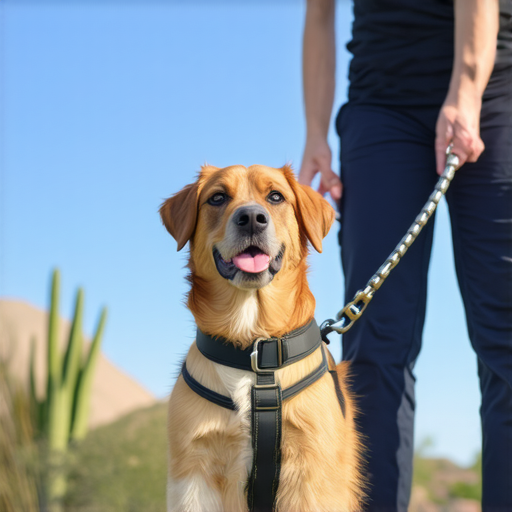
The smell of WD-40 and cold coffee usually defines my mornings, but today it is the sharp scent of ozone from a monsoon rolling into Mesa. People think training a service dog is about shiny vests and perfect ribbons. They are wrong. It is about the torque you apply to the training every single day. If you are training your own dog in Arizona, you are essentially rebuilding an engine while the car is moving. The Editor’s Take: The 2026 AZ law updates reward those who do the work while making it harder for the fakes to stay on the road. Owner-training is still protected, but the specs have changed.
Why the 2026 gearbox is shifting
In the past, the lines between a pet and a working animal were as blurry as a bad head gasket. Come 2026, Arizona is tightening the bolts. The first major change involves the formalization of behavioral attestations. While the ADA still forbids staff from asking for a demonstration, the new state guidelines allow for stricter penalties if a dog causes a disruption in a public space. This is not about restricting access; it is about ensuring the structural integrity of the service dog community. A second shift focuses on tax parity for owner-trainers. If you can prove your training hours through a certified log, you might finally see some relief on those high-end gear and medical costs. Third, the state is expanding ‘In-Training’ rights for residents, specifically in residential housing, ensuring that the process of building your help does not get you evicted before the job is finished. For the technical breakdown of the federal baseline, visit ADA.gov to ensure your foundation is solid.
High noon on the Phoenix asphalt
Living in the Valley means dealing with heat that melts the soles off your boots. If you are in Gilbert, Scottsdale, or Queen Creek, the 2026 laws acknowledge ‘Environmental Hardship.’ This means local authorities are being briefed on why a service dog might be in a carrier or wearing specialized cooling boots that some might mistake for ‘accessories.’ It is about survival. I have seen folks in Apache Junction get hassled because their dog was not ‘on the ground.’ The new local directives clarify that the method of carry does not negate the animal’s status as a working tool. This is a massive win for those with small breeds performing medical alerts. If you are looking for local guidance on these specific Arizona heat protocols, check out the resources at the Arizona State Legislature site.
Cheap parts and fake vests
A lot of people buy a $20 vest online and think they have a service dog. That is like putting a Ferrari badge on a lawnmower. It does not work when the pressure is on. The 2026 Arizona statutes introduce a ‘Truth in Training’ clause. If you are caught using a fake registry or fraudulent documentation to bypass pet fees in Mesa or Phoenix, the fines have tripled. It is a messy reality. Real owner-trainers often get caught in the crossfire because they do not have a ‘professional’ certificate. Here is the blunt truth. You do not need a certificate from a big school, but you do need a paper trail of your own. Keep your training logs like a mechanic keeps a service history. When a business owner in Scottsdale asks if the dog is a service animal, your confidence should be as solid as a steel frame. For hands-on help in the East Valley, looking into Robinson Dog Training can provide that professional alignment your owner-training program needs.
The long road to a reliable engine
The old guard thinks only big programs should produce dogs. They are wrong. A well-tuned, owner-trained dog often has a better bond and more specific ‘software’ for the handler’s needs. How does the 2026 law affect my current dog? If your dog is already working, you just need to update your training log to meet the new state record-keeping standards. Can I still train my own dog in Arizona? Yes, the right remains protected, but the accountability has increased. What if a business asks for my papers? Under the new AZ rules, they still cannot demand them for entry, but having your behavioral attestation ready for housing or travel is a smart move. Is the ‘In-Training’ status valid in grocery stores? Yes, as long as the dog is under control and performing a training task. Why is the tax credit changing? To encourage more people to seek professional consultation during their owner-training journey. This is not about more red tape; it is about better dogs on the street. The 2026 reality is simple. Do the work, keep the records, and your service dog will be as reliable as a classic truck that never misses a beat.
Keeping the wheels turning
The road ahead for Arizona handlers is clearer than it was a decade ago. You have the right to build your own support system. Just remember that the law is a tool, not a shield for bad behavior. If you want to succeed in the Phoenix metro area, you have to be better than the program-trained dogs. You have to be sharper. You have to be more disciplined. Keep your boots on the ground and your dog focused on the mission. Your independence depends on it.
Reading this post really resonated with me, especially the emphasis on consistent, daily training and record-keeping. I’ve been owner-training my Labrador for a couple of years now, and I agree that the bond and specific ‘software’ you’re developing really make a difference in how well your dog performs under stress. The new laws in 2026 seem to favor the dedicated, meticulous owner who’s willing to put in the work, which is motivating. I’ve faced some pushback from local businesses asking for paperwork, and having my logs organized has definitely helped. I wonder, how do others here balance owner training with occasional professional guidance without feeling like you’re losing the personal touch? Sometimes I think a little expert input could boost the training, but I’m also proud of the progress I’ve made on my own. Looking forward to hearing others’ strategies on maintaining that confidence and discipline while navigating these evolving regulations.
This post really hits home for me, especially the point about rebuilding an engine while the car is moving. Owner-training in Arizona definitely demands that kind of daily commitment—it’s not for the faint-hearted! I’ve found that keeping detailed logs is a lifesaver, particularly now with stricter law enforcement. Also, the emphasis on bonding and software development resonates; I believe a well-trained dog with a strong bond often outperforms those who rely solely on big programs. One challenge I’ve encountered is balancing owner training with occasional consultations—sometimes it feels like a delicate dance. Has anyone here found certain professional tips that seamlessly integrate into their daily training without diluting the personal bond? I’d love to hear how others manage that balance, especially in the shifting landscape of 2026 regulations.