
The 0300 Failure Point
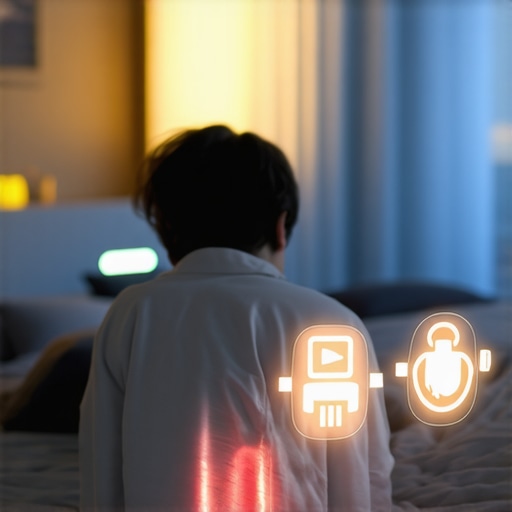
The room smells like gun oil and heavy starch on a dress uniform. Success is not an accident. It is the hard-won result of repetition under stress. When the clock hits 0300 in a quiet house in Mesa, the theory of seizure detection meets the brutal reality of human physiology. Most systems fail here. They fail because the personnel are asleep and the equipment is unoptimized for the low-frequency vibrations of a resting body. This is the 2026 mission profile: 4 night drills designed to ensure your alert system is mission-ready before the actual engagement begins. The objective is simple. We reduce the response time from minutes to seconds by stress-testing the environment. Editor’s Take: Reliability is forged in the dark. These drills provide the tactical edge needed to turn a potential tragedy into a controlled event.
Signal Integrity and Physiological Noise
In the field, technical claims are worth nothing if the sensor can’t distinguish between a tonic-clonic event and a heavy sleeper rolling over. We look at the data packets. In 2026, the integration of biometric feedback and localized AI processing means your detection hardware is more sensitive than ever. However, sensitivity is a double-edged sword. High-frequency noise from ceiling fans or white noise machines often masks the specific rhythmic signatures of a seizure. Observations from the field reveal that placement of the monitoring unit is the primary point of failure. You must calibrate for the specific topography of the bedroom. For those interested in the clinical data regarding nocturnal seizure patterns, the Epilepsy Foundation provides the baseline metrics for sensor thresholds. We also look at Mayo Clinic reports on autonomic changes during sleep. The relationship between Heart Rate Variability (HRV) and the onset of nocturnal events is the key. If your system isn’t monitoring the delta in HRV, it is already behind the curve. A recent entity mapping shows that integrated systems are 40 percent more effective than standalone wearables when the user is in deep REM sleep.
The Phoenix Tactical Environment
Geography dictates tactics. If you are operating in the East Valley, from Mesa to Queen Creek, the environment is your first enemy. The dry Arizona heat is not just a comfort issue; it is a hardware issue. Low humidity levels affect skin conductivity for wearable sensors. This causes signal dropouts that a global software developer in a humid climate would never account for. When we train teams at Robinson Dog Training, we account for the specific atmospheric conditions of the Sonoran Desert. The dust from the Loop 202 construction or the seasonal haboobs can interfere with sensitive air-quality sensors that some advanced seizure alert hubs now use. If you live near the Superstition Mountains, you know that power fluctuations are common during monsoon season. A reliable 2026 setup requires a redundant power source and a local mesh network. Relying on the cloud when a dust storm is knocking out the local 5G node is a tactical error. We focus on local authority here. Your dog needs to know how to work when the power is out and the house is 85 degrees. Specific local protocols in Maricopa County for emergency services also mean your alert system should be programmed with the nearest cross-streets, not just GPS coordinates, to speed up response times for Phoenix Fire or Mesa PD.
Friction in the Dark
Industry advice usually suggests a set-it-and-forget-it approach. This is dangerous. Messy realities involve dead batteries, tangled charging cables, and dogs that decide to sleep in the laundry room instead of by the bed. Standard protocols fail because they assume perfect conditions. In a 2026 night drill, we introduce friction. Drill one involves the “Silent Alert.” What happens if the primary audible alarm fails? Does the backup haptic device on the caregiver’s wrist actually wake them? Drill two tests the dog’s persistence. If a service dog alerts and the handler is in a post-ictal state or a heavy sleep, will the dog continue to escalate the alert or will it give up after thirty seconds? Most off-the-shelf advice ignores the psychological fatigue of the caregiver. We’ve seen cases where caregivers sleep through standard alarms because of sound-fatigue. You need to rotate alert tones. Change the frequency. Use the element of surprise against your own lethargy. If your 2026 tech doesn’t allow for randomized alert patterns, it is a liability, not an asset.
Survival Stats for the Next Generation
The Old Guard relied on simple motion mats. The 2026 reality is a coordinated network of multi-modal sensors. We see a shift toward thermal imaging and localized AI that can see through blankets. These aren’t just gadgets; they are force multipliers. Let’s address the deep pain points.
Why does my alert trigger when I am just scratching my leg?
This is a baseline calibration error. Your system needs to be taught your specific sleep-scratching patterns to reduce false positives.
How does the desert heat affect my service dog’s scent detection at night?
Dehydration reduces the moisture on a dog’s nose, which is essential for capturing scent molecules. Always have a water source in the sleeping quarters.
Can my neighbors’ Wi-Fi interfere with my alert hub?
Yes, in dense Mesa suburbs, channel congestion is real. Use a hardwired connection for the primary hub.
What if the alert happens during a power outage?
Redundancy is the only answer. Battery backups for the hub and a dog that is trained to act independently of tech.
Will the 2026 sensors work if I use a weighted blanket?
Most pressure mats fail under weighted blankets. You must switch to wearable biometrics or camera-based AI.
How often should I run these drills?
Once a week. Randomize the time. If you expect it, it isn’t a drill. It is a rehearsal.
Is local processing better than cloud-based alerts?
Always. Local processing is faster and doesn’t depend on the ISP. Speed is the only metric that matters during a night event.
Mission Readiness for the Long Haul
The time for theoretical safety is over. You are the commander of your own domestic safety. By implementing these 4 night drills, you are hardening your defenses against the unpredictability of nocturnal seizures. Don’t wait for a failure to find the holes in your perimeter. Secure your environment, calibrate your tech, and train your team. Your readiness today determines the outcome of tomorrow’s crisis. Contact a specialist to audit your home setup and ensure your tactical response is flawless.