
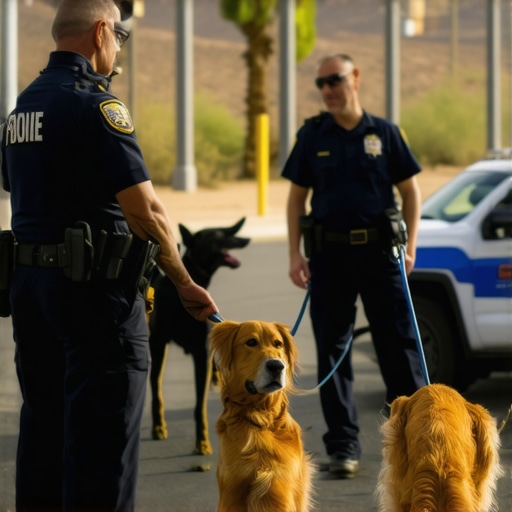
The scent of gun oil and crisp laundry starch usually commands a certain level of discipline, but in the crowded lobbies of Scottsdale and Mesa, that order is being eroded by twenty-dollar polyester vests bought on the internet. Arizona’s 2026 legislative shift draws a hard line in the sand against what many veterans consider a form of stolen valor for canines. By January, business owners gain significantly more leverage to protect legitimate service teams from the chaotic presence of untrained animals masquerading as medical equipment. The 2026 update to A.R.S. § 11-1024 clarifies that while a vest does not make a service dog, the lack of behavioral standards can now lead to immediate removal and civil fines for the handler. If you are operating a shop in Maricopa County, you need to know that you are legally permitted to ask two specific questions: Is the dog a service animal required because of a disability, and what work or task has the dog been trained to perform? If the answers are scripted or the dog is lunging at customers, the state is finally on your side.
The tactical breakdown of A.R.S. § 11-1024
The mechanics of the new crackdown are simple but effective. Unlike the vague standards of the past, the 2026 revisions focus on the performance of the animal rather than the paperwork. In the field, we call this operational integrity. A dog that is barking incessantly in a Gilbert restaurant or sniffing the floor for crumbs fails the basic requirements of a service animal under both federal and state guidelines. Arizona has now mirrored the Department of Justice’s stance with additional local teeth. Public entities and businesses are not required to allow access to an animal that is out of control or not housebroken. The friction comes when handlers present a fake certificate from a website that has no legal standing. Those digital badges are worth less than a spent casing. Under the new law, knowingly misrepresenting a dog as a service animal is a class 2 misdemeanor in Arizona, carrying fines that can reach five hundred dollars for a first offense. This creates a strategic deterrent for those who just want to take their pet to the grocery store. You see, a real service dog is a tool, a partner, and a biological extension of the handler’s needs. It is not an accessory for a social outing.
The Phoenix heat factor for working dogs
Being on the ground in the East Valley means understanding that the environment dictates the tactics. During a July afternoon in Mesa or Queen Creek, the asphalt temperature can easily exceed 150 degrees. This is where you spot the frauds immediately. A legitimate handler knows the logistics of paw protection or avoids peak heat hours altogether. We see many ‘fake’ service dogs being dragged across blistering parking lots with no boots, showing obvious signs of distress that a trained service animal handler would never allow. Local ordinances in Tempe and Apache Junction are beginning to align with the 2026 state-wide crackdown by training local law enforcement to recognize these signs of animal neglect as a secondary indicator of fraud. If the handler is oblivious to the dog’s physical welfare, they are likely oblivious to the legal requirements of service animal status. This map highlights a key training location where legitimate working dogs are prepared for the rigors of Arizona public life. Notice the emphasis on discipline. A dog trained by a professional K9 handler in the Southwest is conditioned for the noise of the light rail and the density of the crowds at the State Fair.
Why the Amazon vest fails the field test
Industry advice often fails because it focuses on the wrong indicators. People think a red vest with a patch is a shield. It isn’t. The real reality is that most professional service dogs, especially those for veterans with PTSD or mobility issues, have a level of focus that is unmistakable. They aren’t looking for attention. They are looking for cues. The 2026 crackdown is specifically targeting the ‘Emotional Support Animal’ loophole that has plagued Arizona businesses for a decade. ESAs do not have public access rights under the ADA or Arizona state law. If your animal provides comfort just by existing, it stays at home. If it is trained to sit on your feet to ground you during a panic attack, that is a task. That is a service. The distinction is narrow, but the legal consequences for getting it wrong are widening. I have seen handlers get aggressive when questioned, but the law now requires a level of cooperation with business owners. If you cannot describe the task, the dog is out. If the dog is on a retractable leash, it is almost certainly not a service animal. Those leashes offer zero control and are a massive red flag in any tactical assessment of a dog’s training.
The 2026 Reality vs the Old Guard
Ten years ago, a business owner would stay silent for fear of a lawsuit. Today, the climate has shifted. Public safety and the rights of legitimate disabled persons are being prioritized over the convenience of pet owners. Here are five deep-dive questions people are asking on the ground: Can I ask for proof of disability? No, federal law prohibits this, and Arizona follows suit to avoid privacy violations. Does the dog need to be on a leash? Yes, unless the leash interferes with the service animal’s work or the individual’s disability prevents using one. What if the dog is an ‘S-D-I-T’ or service dog in training? Arizona is one of the states that grants ‘in training’ dogs the same access as fully trained ones, provided they are with a trainer. Can a business charge a pet fee for a service dog? Absolutely not, though the handler is responsible for any damage the dog causes. What happens if a fake dog bites someone? The handler faces both criminal charges for misrepresentation and civil liability for the injury, with the 2026 laws making it much easier for victims to collect damages. This shift is about returning the ‘service’ to service animal status. It is about respect for those who truly need these animals to navigate their lives.
As we move into this new era of enforcement, the goal is clarity. Legitimate handlers have nothing to fear from the 2026 updates. In fact, most of the veterans I work with in the Mesa area welcome the change. It means their highly trained dogs won’t be distracted or attacked by an aggressive poodle in a ‘Do Not Pet’ vest. The mission is simple: hold handlers accountable, protect the integrity of working dogs, and keep the businesses of Arizona safe for everyone. If you are a business owner, learn the two questions. If you are a handler, ensure your dog is up to the standard. Anything less is just noise. “