
The structural failure of the standard exit
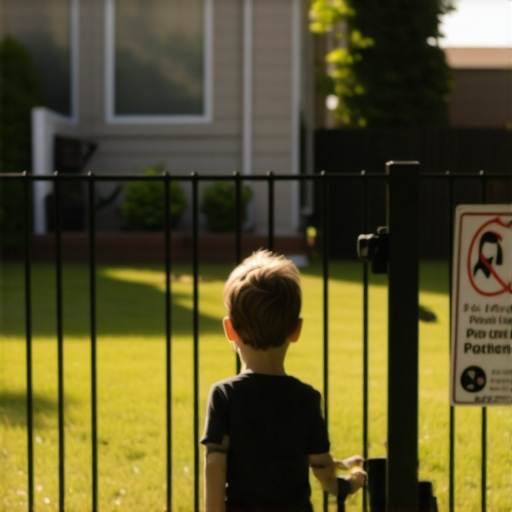
I sat at my drafting table this morning with the scent of pencil lead and the damp rhythm of rain hitting the office window. My hands are stained with graphite because I still believe in the permanence of a line drawn on paper. Most people see a door as a simple transition point, but as an architect who has watched modern construction trade quality for speed, I see a series of failed promises. When we talk about autism wandering, we are talking about a breach in the structural integrity of a life. The 2026 reality is that our homes are sieves, designed for convenience rather than containment. A child who bolts is not looking for an escape; they are often responding to a sensory load that the house failed to absorb. Editor’s Take: Safety in 2026 requires a layered defense strategy that prioritizes physical barriers alongside predictive digital geofencing to prevent elopement before the first door opens.
Digital envelopes and the friction of modern hardware
The relationship between a lock and a frame is where most safety plans die. In my years of designing spaces, I have learned that if a latch has too much play, it is already broken. In 2026, we are moving toward biometric friction. This isn’t about the high-tech gadgets that fail when the Wi-Fi drops; it’s about the physical integration of sensors into the very grain of the door. We must look at the way a home breathes. If a child can bypass a standard deadbolt in under four seconds, that deadbolt is a decorative lie. We are seeing a rise in high-torque magnetic locks that integrate with the home’s nervous system. These systems don’t just lock; they resist. They create a structural seal that requires more than just a turn of a wrist. Observations from the field reveal that children with high motor skills often treat traditional locks as puzzles to be solved. To counter this, the 2026 model of bolting prevention shifts the focus from the lock to the threshold itself, using floor-integrated pressure plates that alert a caregiver before the hand even reaches the handle.
Specific safeguards within the Maricopa County grid
In the heat of the Arizona sun, especially around the East Valley and Mesa, the expansion of materials matters. A door that fits in January might stick or gap in July, creating a mechanical vulnerability. Local residents near the Salt River or the Superstition Mountains face unique environmental stressors that can warp even the best safety hardware. In this region, programs like Project Lifesaver provide a vital layer of security, but the home remains the primary fortress. Using local resources means more than just a search party; it means structural audits. The Robinson Dog Training center in Mesa, for instance, highlights how working dogs can be trained to track and anchor a bolting child. This local synergy between physical architecture and biological intervention is the gold standard for the coming year. We are no longer just looking at a house; we are looking at a localized ecosystem of protection.
Why a deadbolt is a fragile promise
Industry advice often suggests adding more locks, but a tired architect knows that more hardware often means more points of failure. The messy reality is that stress-testing these systems usually involves a screaming child and a panicked parent. Most expert advice fails because it assumes a static environment. It assumes the child stays the same height and the same strength. But they grow, and their problem-solving skills grow with them. A 2026 approach rejects the ‘one and done’ installation. It requires a recursive audit of the home’s perimeter. We have seen cases where kids use furniture as ladders to reach high-mounted latches, effectively turning the room’s own interior against its safety goals. The friction here is between the aesthetic of a ‘normal’ home and the reality of a ‘secure’ one. You cannot have both without a radical shift in how you view interior design. We must stop pretending that a standard home-store alarm is enough to stop a determined bolter. It is a siren, not a barrier.
The shift from passive to predictive containment
Comparing the ‘Old Guard’ methods of bells on doors to the 2026 reality is like comparing a mud hut to a skyscraper. The rise of AI-driven geofencing allows for a proactive stance. Instead of an alarm sounding when the door opens, the system uses internal cameras to recognize the ‘pre-bolting’ behavior. It sees the pacing, the frequent glances at the exit, and the specific sensory triggers that precede an elopement. What happens when the GPS fails? You need a redundant physical layer. Why do most smart locks stay open during a fire? This is a deep pain point for families who must balance exit speed with entry prevention. Can a child outsmart a fingerprint scanner? In some cases, yes, by using the residual oils on the glass. Is there a way to hide the safety features? Yes, by integrating them into the millwork of the house. Does insurance cover these structural changes? Often, only if they are classified as medical necessities under specific state laws. These are the deep technical hurdles that we face as we move into a more complex era of home safety.
Future-proofing the domestic perimeter
I look at my blueprints and see the potential for a world where we don’t have to choose between a prison and a sieve. The future is a house that knows its occupants and understands the weight of a footfall. We are building for a reality where the structure itself acts as a guardian. Do not wait for a near-miss to evaluate the strength of your door frames or the reliability of your sensors. Start with the hardware, then move to the software, and never trust a line that you haven’t tested yourself. Secure your home now to ensure that the only thing leaving your house is the sound of safety.