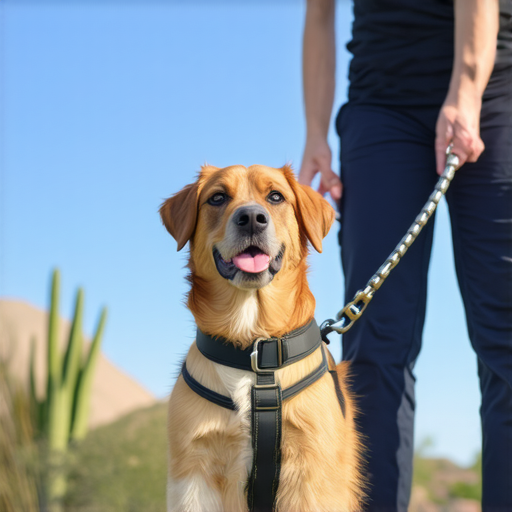

The tactical reality of the 115 degree panic attack
The air in Mesa during July doesn’t just shimmer; it vibrates with a predatory heat that smells of hot asphalt and the sharp, metallic tang of an AC unit pushed to its limit. I sit here with the scent of gun oil and heavy laundry starch on my sleeves, watching a handler struggle near the Superstition Mountains. In this environment, a psychiatric episode isn’t just a mental health hurdle. It is a logistical threat. When the heart rate spikes and the world begins to close in, you don’t need a pet. You need a biological intervention system. Deep Pressure Therapy (DPT) is the primary counter-measure against the physiological siege of a panic attack or a PTSD flashback. It is the heavy weight of a loyal partner pressing against your nervous system to force a reset. The Editor’s Take: Success in 2026 requires moving beyond basic obedience into high-stakes tactile grounding that functions under the brutal environmental stressors of the Phoenix Valley. Our mission today is to break down the four essential DPT maneuvers that define a successful psychiatric alert team in the Southwest.
Where the physics of weight meets the biology of fear
DPT works because of the vagus nerve. When a dog, trained with the precision of a field operative, applies their body weight to specific pressure points on the handler, it triggers a shift from the sympathetic nervous system to the parasympathetic nervous system. This isn’t magic. It is pressure. The first task is the Full Body Grounding. This involves the dog laying across the handler’s torso while the handler is supine. In the field, this is often used when a handler is overwhelmed in a semi-private space, perhaps a quiet corner of the Mesa Public Library. The dog must learn to distribute their weight evenly, acting as a living weighted blanket. This sensory input slows the heart rate and regulates breathing. Reliable data from the American Psychiatric Association suggests that tactile grounding is one of the most effective non-pharmacological interventions for immediate dissociation. The second task is Lap Pressure. For the commuter on the Valley Metro Rail, a full lie-down might not be possible. The dog is trained to put their front half across the handler’s lap, applying pressure to the femoral arteries. This targeted weight helps maintain awareness of the present moment. For those interested in the legal framework of these interventions, checking the ADA Service Animal FAQ provides the necessary baseline for public access rights.
Logistics of the East Valley service dog mission
Operating in Arizona means accounting for the terrain. A service dog in Gilbert or Queen Creek faces different challenges than one in Seattle. The third task is the Chin Rest with Tactile Interruption. This is a subtle, high-frequency task. When the dog detects the onset of a repetitive behavior—like leg shaking or skin picking—they must forcefully place their chin on the handler’s hand or knee. It is a physical break in the feedback loop of anxiety. The fourth task is the Post-Episode Recovery Positioning, where the dog provides a physical buffer, standing or laying behind the handler to create a ‘dead zone’ of space in crowded areas like the SanTan Village mall. This prevents the startle response from being triggered by passersby. In the heat of the desert, these tasks must be executed quickly to avoid overheating the canine. We monitor pavement temperatures with the same intensity we monitor heart rates.
Why your local park trainer is a liability
Most trainers treat psychiatric service work like a trick. They focus on the ‘sit’ and ‘stay’ while ignoring the internal state of the handler. That is a failure of leadership. In the messy reality of a mid-afternoon meltdown in Apache Junction, a dog that only knows how to perform for treats is useless. You need a dog that understands the mission. Common industry advice often suggests that any dog can do DPT. That is a lie. You need specific bone structure and temperament. A dog that is too small won’t provide the necessary PSI to stimulate the vagus nerve. A dog that is too anxious will feed off the handler’s cortisol and shut down. We see this often in amateur programs where the focus is on ‘vibes’ rather than ‘variables.’ A successful 2026 team treats the training like a tactical deployment. We use heavy distractions—sirens, crowds, the smell of food—to ensure the dog’s focus remains on the handler’s internal biometrics. If the dog misses the cue because they were sniffing a discarded churro, the mission has failed. Real-world grounding requires a dog that can operate in the chaotic friction of everyday life without breaking rank.
The 2026 shift in psychiatric support
The old guard relied on simple alerts. The new reality demands active intervention. As we move into 2026, the integration of wearable tech that syncs with training protocols is becoming the standard. Does my dog need to be a specific breed for DPT? No, but they must have the mass. A 10-pound Pomeranian cannot provide the physical pressure required for a 200-pound man. Can I train DPT myself in Arizona? While owner-training is legal under the ADA, the heat safety protocols in the Phoenix area make professional guidance for public access essential. What if my dog gets too hot while working? This is why Act III is vital. We train in bursts and prioritize indoor work during peak sun hours. How long does it take for DPT to work? Usually, within two to five minutes of consistent pressure, the physiological symptoms of a panic attack begin to subside. Is DPT the same as an Emotional Support Animal? Absolutely not. DPT is a trained task that mitigates a disability, which is the defining characteristic of a service animal. What is the best way to start? Evaluate the dog’s natural lean. If they already seek physical contact during your stress, you have the raw materials for a high-functioning asset.
A final march toward independence
The path to recovery isn’t a straight line. It is a series of tactical maneuvers designed to take back the territory lost to anxiety. By mastering these four DPT tasks, handlers in the East Valley are not just surviving; they are reclaiming their ability to navigate the world. The weight of a dog is a small price to pay for the freedom to walk through a crowded store or sit in a busy restaurant. It is about the rise of the human spirit aided by the unwavering focus of a canine partner. Secure your perimeter. Train your asset. Move forward with the confidence that when the world gets loud, your dog knows exactly what to do. Your independence is the only objective that matters.