Editor’s Take (BLUF): In 2026, the distinction lies in biological intel versus physical mitigation; Alert training targets pre-ictal VOC signatures while Response training masters tactical environmental control during the event.
The silence before the surge
The air in the briefing room smells of heavy starch and gun oil. We do not talk about ‘puppy love’ here. We talk about operational readiness. If you are standing in a crowded room and your heart starts to race, you need to know if your K9 partner is a passive observer or a proactive asset. Most handlers confuse the two. An alert is a piece of intelligence delivered before the strike. A response is the damage control executed once the perimeter has been breached. By 2026 standards, relying on a response dog when you need an alert dog is like buying a fire extinguisher but refusing to install a smoke detector. It is a tactical failure. I have seen too many families gamble on ‘intuition’ when they should be betting on scent-work precision. The reality is blunt. Alerts are about chemistry. Response is about mechanics. If you cannot distinguish between the two, you are not training a service animal; you are keeping a very expensive pet. Tactical dog training requires a shift in how we view the canine nose as a piece of hardware.
Biochemical signatures vs mechanical labor
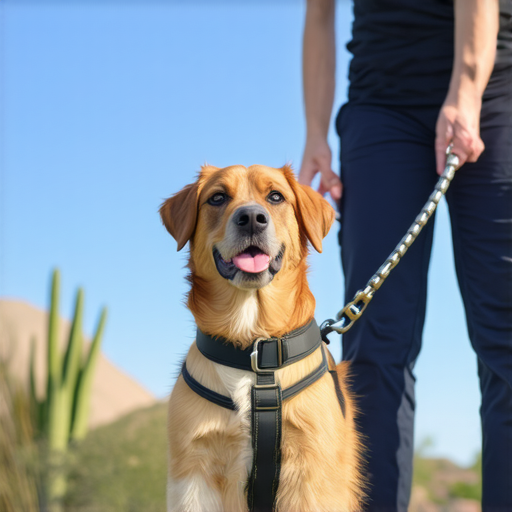
Let us look at the schematics of the 2026 medical dog. The Alert dog is a specialist in Volatile Organic Compounds (VOCs). They are trained to catch the scent of a shift in the handler’s biochemistry up to forty-five minutes before the first muscle twitch. This is high-level reconnaissance. According to data from the International Association of Assistance Dog Partners, the success rate for Alert dogs depends entirely on the ‘low-scent’ threshold of the specific trainer. Conversely, the Response dog is your infantry. They are trained for mechanical tasks: blocking the handler’s body from furniture, pressing emergency call buttons, or fetching a medication bag. This is Professional Dog Training Services at its most visceral. A Response dog does not need to know why the floor is approaching; they just need to ensure you hit it as softly as possible. We are seeing a massive shift toward dual-purpose K9s, but the training tracks remain as separate as night and day. One is about the invisible; the other is about the physical reality of a body in crisis.
Arizona heat and the service dog threshold
In the scorched corridors of Mesa and the wider Phoenix valley, the environment dictates the strategy. If you are operating a service dog in 110-degree heat, the dog’s cognitive load is already pushed to the red line. Local Arizona statutes under the ADA do not care about your ‘vibe’—they care about the dog’s behavior in the heat of a public space like the Superstition Springs Center. Humidity and high temperatures can mask scent trails, making Alert training in the Southwest significantly more difficult than in cooler climates. This is where K9 Obedience Programs must adapt or fail. I have walked the pavement in Gilbert and Queen Creek; if your dog is panting too hard to catch a cortisol spike, your alert system is offline. You need a trainer who understands regional logistics, not someone following a generic manual written in a basement in Vermont. The local landscape demands a dog that can hold a ‘down-stay’ on a burning sidewalk while still monitoring the handler’s breath for a seizure scent.
When the treat stops working
Most trainers are soft. They rely on high-value treats and clickers, which work fine in a sanitized living room. But the world is not a living room. It is a chaotic mess of sirens, spilled popcorn, and aggressive ‘pet’ dogs in grocery stores. The biggest friction point in 2026 is ‘Generalization Failure.’ A dog might alert perfectly at home but freeze in a crowded Terminal 4 at Sky Harbor. Why? Because the trainer failed to account for the ‘Stress-Load Factor.’ If the dog is worried about the floor texture or the sound of the luggage belt, the medical monitoring sub-routine in their brain shuts down. This is the messy reality. Real-world training requires exposing the dog to high-stress scenarios where they are forced to choose between their own comfort and the handler’s safety. Many ‘force-free’ purists hate this, but in a life-or-death seizure event, I want a dog that has been stress-tested like a piece of aerospace equipment, not a dog that only works when there is a piece of cheese on the table.
The 2026 Reality Check
The ‘Old Guard’ methods of 2010 focused on ‘natural’ alerts—the idea that a dog would just ‘know.’ That was a fairy tale. Modern reality is structured, data-driven, and unforgiving. What is the primary difference between alert and response dogs? Alert dogs identify the pre-seizure scent; Response dogs provide physical support during the event. Can one dog do both? Yes, but the training time doubles. Is seizure alert training guaranteed? No, because it depends on the dog’s innate scent-drive. Does insurance cover this? Rarely, making the initial investment a strategic financial decision. What is the ‘Golden Rule’ of 2026 training? Never trust a dog that has not been tested in high-distraction environments. How long does training take? Expect 18 to 24 months for a truly reliable medical asset. Is technology replacing dogs? Wearables are improving, but they lack the 99% accuracy of a well-trained canine nose in detecting unique VOCs.
The mission ahead
We are moving toward a future where the line between handler and K9 is blurred by biological data. If you are looking for a companion, go to the shelter. If you are looking for a lifeline, find a trainer who understands the difference between a trick and a tactic. The stakes are too high for anything less than absolute precision. Invest in the alert, master the response, and never assume the dog knows what to do unless you have drilled it into their muscle memory a thousand times over. That is the only way to survive the 2026 landscape.