
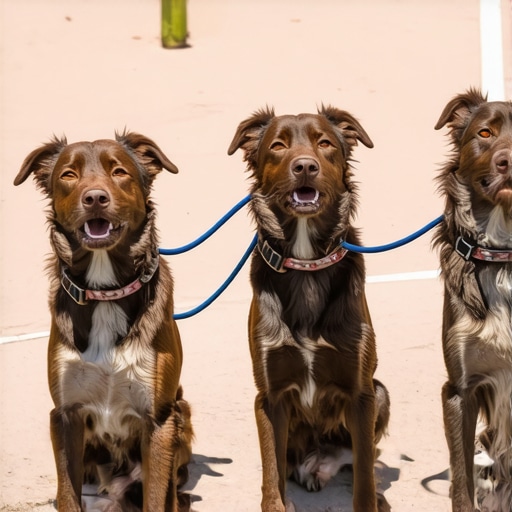
The Reality of Wandering in the Arizona Heat
Parents in Mesa, Gilbert, and Phoenix deal with a unique set of fears when it comes to wandering. An autistic child bolting into a busy street or heading toward a canal is a nightmare scenario that happens too often. In the Arizona climate, where temperatures soar, a child who gets lost faces immediate physical danger. This is why tethering—a physical connection between a service dog and a child—has become a top priority for families in the Valley. It provides a safety net that goes beyond basic obedience training. You aren’t just buying a pet; you are integrating a living safety device into your family’s daily life.
The Mechanics of the Safety Tether
Tethering involves a three-point system: the child, the dog, and the adult handler. The dog wears a sturdy harness, often with a secondary handle, connected to the child’s waist belt. This isn’t about the dog dragging the child or vice-versa. Instead, the dog serves as a biological anchor. When the child attempts to move away, the dog is trained to sit or lie down, effectively grounding the child until the adult can intervene. It requires precise coordination and constant practice to ensure the dog remains calm under pressure. Expert trainers in the East Valley emphasize that the dog’s weight and temperament must be perfectly matched to the child’s size to ensure the anchor holds during a bolt attempt.
Why Arizona Families Need Specialized Drills for 2026
As we look toward 2026, the complexity of public spaces in growing Arizona suburbs requires more than just backyard training. Dogs must learn to handle the distractions of crowded shopping centers in Scottsdale or the noise of construction in Queen Creek. These drills focus on building the dog’s resistance to environmental triggers while maintaining a solid physical hold. Local trainers are emphasizing high-distraction environments to ensure that the tethering system doesn’t fail when it matters most. This level of preparation is the difference between a close call and a safe return home.
How do tether drills prevent elopement in crowded spaces?
The primary goal of a tether drill is to create a stop response. In a crowded park or a busy grocery store, a child might see something and bolt before the parent can react. The service dog is trained to feel the tension on the tether immediately. Instead of following the child, the dog performs an anchor command. By digging their paws in or dropping their weight, the dog prevents the child from reaching a dangerous exit or a moving vehicle. This split-second physical resistance gives the handler the time they need to secure the child safely. It turns a potential tragedy into a manageable moment.
[IMAGE_PLACE_PLACEHOLDER]
Mastering the Stationary Hold in the Desert
Training in the heat requires specific adjustments. You can’t drill for hours in 110-degree weather. Local experts suggest short, high-intensity sessions in indoor facilities or early morning outdoor drills. The stationary hold is the most vital skill. The dog must learn to stay rooted even if the child is tugging with significant force. This requires building core strength in the dog and a deep bond of trust between the animal and the child. As we approach 2026, the inclusion of sensory-friendly environments in training centers across Arizona is helping dogs learn these skills without unnecessary stress.
Empowering the Handler: The Third Pillar of the Tether
While the focus is often on the service dog’s strength and the child’s safety, the adult handler is the brain of the operation. In the bustling environments of Mesa and Chandler, a parent must be more than just a bystander; they are the active coordinator of the three-point system. Effective handling involves learning the subtle cues a dog gives before a child even attempts to bolt. By reading a shift in the dog’s body language or a slight tightening of the lead, a parent can preemptively issue a “steady” command. This proactive approach reduces the physical strain on both the animal and the child, ensuring that the anchor is set before momentum builds.
The Communication Bridge Between Dog and Parent
Training sessions in the East Valley often prioritize the verbal and non-verbal communication between the parent and the dog. In high-stress situations, such as a crowded event at the Phoenix Convention Center, clear communication is paramount. Handlers are taught to use specific directional cues and “watch me” commands to keep the dog focused on the mission despite the chaos. This level of synchronization doesn’t happen overnight. It requires months of consistent practice in real-world scenarios, moving from quiet residential streets in Queen Creek to the high-stimulus areas of local malls. The goal is a seamless flow where the dog anticipates the handler’s needs as much as the child’s movements.
[IMAGE_PLACE_PLACEHOLDER]
Selecting the Right Breed for the Phoenix Climate
Not every dog is physically equipped to handle the rigorous demands of tethering in the Arizona desert. The weight-to-strength ratio is critical, but so is heat tolerance. While larger breeds like Labradors and Golden Retrievers are traditional choices for autism service work due to their temperament, local trainers are increasingly looking at specific coat types and stamina levels. A dog that overheats easily cannot perform a reliable anchor command. Families must consider how a dog’s physiology interacts with the 115-degree summers. This often means investing in specialized cooling vests and boots to protect paws from the scorching asphalt in Gilbert and Scottsdale.
Heat-Resistant Breeds and Cooling Gear for Service Teams
In addition to breed selection, the integration of technology and specialized gear is becoming a standard part of training for 2026. High-tech cooling harnesses that don’t interfere with the tether’s structural integrity are essential. Trainers emphasize that the gear must be “bomb-proof”—durable enough to withstand the force of a child bolting while keeping the dog’s core temperature regulated. This dual focus on safety and biological well-being is what defines the modern Arizona service dog program. We aren’t just looking for a strong dog; we are looking for a dog that can thrive and remain vigilant in an extreme environment.
Addressing Sensory Sensitivity to Harnesses and Tethers
For many children on the spectrum, the physical sensation of a belt or harness can be a significant hurdle. Tactile defensiveness is a common trait that must be addressed during the early stages of the tethering process. If a child finds the waist belt itchy, heavy, or restrictive, they may attempt to remove it, defeating the safety system entirely. Experts suggest a “fading-in” technique where the child wears the belt for short periods in a comfortable home setting before it is ever attached to the dog. Using soft, moisture-wicking materials that handle the Arizona sweat while providing a gentle “hug” sensation can actually turn the harness into a source of sensory comfort rather than a trigger.
Gradual Exposure Drills for Children with Tactile Aversion
The transition from a basic belt to a full tether system involves a series of incremental steps. Initially, the child might just hold a handle on the dog’s harness. As they become accustomed to the dog’s proximity and movement, the physical connection is introduced. Trainers in the Phoenix metro area often use sensory-integrated play to make the harness feel like a “superhero belt” or a specialized tool. By the time the child is walking through a busy park in Mesa, the tether has become a familiar, non-threatening part of their daily routine. This psychological preparation is just as vital as the dog’s physical training.
Navigating Common Misconceptions About Service Dog Tethering
As the demand for autism service dogs grows in the East Valley, several misconceptions about the mechanics of tethering have surfaced. A primary concern for many parents in Mesa and Gilbert is the fear that a service dog will physically drag a child if they attempt to elope. In a professionally trained three-point system, the dog is never taught to exert force in a forward direction against the child. Instead, the dog is trained as a stationary anchor. When tension is detected on the lead, the dog’s response is to drop into a ‘down-stay’ or a firm ‘sit,’ using their body weight to stop the child’s momentum. This biological braking system is designed to provide the handler with a five-to-ten-second window to intervene, rather than creating a tug-of-war dynamic.
The Myth of the ‘Auto-Pilot’ Service Dog
Another dangerous misconception is that the dog is on ‘auto-pilot’ and can replace parental supervision. Even the most highly trained service dog in Phoenix requires active management. The tether is a secondary safety measure, much like a seatbelt in a car. It is there to prevent tragedy during a momentary lapse in focus, not to allow the handler to disengage. Effective teams in the Scottsdale area emphasize that the parent must remain the ‘alpha’ of the safety triangle, constantly monitoring both the child’s triggers and the dog’s physiological state.
A Structured Progression for Public Access Training
Moving from a controlled home environment to the unpredictable streets of Queen Creek requires a disciplined, step-by-step approach. Rushing into high-stimulus environments before the dog and child are ready can lead to training regression. Trainers recommend the following progression for families preparing for 2026:
- Phase 1: Sensory Integration (Home). The child wears the belt while the dog is off-tether to build comfort and positive associations.
- Phase 2: Low-Distraction Anchoring (Backyard). Practicing the ‘anchor’ command when the child moves toward a toy or familiar object.
- Phase 3: Managed Public Spaces (Quiet Parks). Introducing the system in areas like Gilbert’s Riparian Preserve during off-peak hours to manage environmental smells and sounds.
- Phase 4: High-Density Environments (Malls/Markets). Full integration in places like the SanTan Village, focusing on the dog’s ability to maintain the anchor despite heavy foot traffic and noise.
[IMAGE_PLACE_PLACEHOLDER]
Mastering the ‘Dead Weight’ Response
The ‘dead weight’ response is an advanced skill where the dog learns to lower their center of gravity instantly. This is particularly important for children who have reached a certain size or strength. By shifting their weight to their hindquarters, the dog becomes significantly harder to move. This technique is refined through ‘resistance drills’ where a trainer simulates the force of a bolting child, teaching the dog to brace effectively without causing injury to itself or the child.
Maintaining Gear Integrity in the Harsh Desert Climate
The Arizona sun is relentless, and the materials used in tethering systems are not immune to degradation. UV exposure can weaken nylon webbing and cause leather to become brittle and crack. For families in the Phoenix metro area, a weekly gear inspection is a non-negotiable safety requirement. A failure in a buckle or a frayed stitch could lead to a catastrophic breakdown of the safety system during a critical moment.
Weekly Safety Checklist for Service Dog Equipment
- Hardware Inspection: Check all carabiners and D-rings for signs of metal fatigue, rust, or sticking springs.
- Webbing and Stitching: Run fingers along the entire length of the tether and harness to feel for thin spots, fraying, or heat-damaged fibers.
- Weight-Bearing Points: Pay special attention to the attachment points on the child’s waist belt, ensuring the padding remains intact to prevent skin irritation.
- Cooling Gear Functionality: Ensure that cooling vests are still holding moisture effectively and that the reflective strips haven’t peeled away.
Identifying Working Dog Heat Stress in Real-Time
Because these dogs are focused on their ‘job,’ they may sometimes ignore their own physical discomfort. Handlers must be experts at reading subtle signs of heat stress before it becomes heatstroke. In the 110-degree summers of the Valley, a working dog’s core temperature can rise rapidly. Signs to watch for include wide, flat panting, dark red gums, and a lack of focus. If a dog begins to lag behind or shows any hesitation in performing the anchor command, the team must immediately move to a climate-controlled environment and provide hydration.
The Future of Autism Safety: Tech-Enhanced Tethering in 2026
As we move toward 2026, the integration of wearable technology and bio-metric monitoring is set to revolutionize the way families in the Phoenix metro area manage elopement risks. Local innovators are developing smart-tethers equipped with tension sensors that sync directly to a parent’s smartphone or smartwatch. In the high-stimulus environments of the East Valley, these devices provide an haptic alert the moment a child attempts to bolt, even before the dog fully engages the anchor. This layer of digital oversight acts as a fail-safe, ensuring that the three-point system is never reliant on human observation alone. For parents navigating the busy streets of Chandler or the sprawling parks of Gilbert, this tech-forward approach offers a new level of peace of mind.
Why is tethering considered safer than a traditional handheld leash?
Traditional leashes rely entirely on the grip and reaction time of the handler, which can fail during a sudden, forceful bolt. A tethering system, however, distributes the force of a child’s movement across the dog’s center of gravity and the handler’s core. By utilizing a waist-mounted harness for both the child and the adult, the system removes the risk of a leash being dropped or yanked out of a hand. In the Arizona heat, where hands can become sweaty and grip can slip, this hands-free connection is a critical safety upgrade. It transforms the service dog from a companion into a structural component of the family’s safety architecture, providing a consistent, unyielding anchor point that doesn’t rely on fine motor skills during a crisis.
Navigating Public Access Rights in Scottsdale and Beyond
Understanding the legal landscape is essential for families utilizing tethered service dogs in Arizona. While the ADA provides broad protections, local businesses in high-traffic areas like Old Town Scottsdale or the Mesa Arts Center may occasionally be unfamiliar with the mechanics of a three-point tether. It is vital for handlers to know that the tether is a recognized safety tool under federal law, provided the dog remains under the handler’s control. Training for 2026 includes “advocacy drills” where parents practice explaining the system to business owners. This ensures that the team can navigate public spaces without the stress of unnecessary confrontations, allowing the focus to remain where it belongs: on the safety and inclusion of the child.
The Long-Term Psychological Benefits of the Tethering Bond
Beyond the immediate physical safety, the tethering process fosters a unique psychological synergy between the child and the dog. In the neurodiverse community of the Valley, experts are noticing that the constant physical connection helps many children develop a better sense of proprioception—their awareness of their own body in space. The gentle, consistent tension of the tether provides grounding sensory input that can actually reduce the urge to bolt over time. As the child matures, the tether becomes less of a restraint and more of a communication line, a way for the child to feel the calming presence of their canine partner. This future-facing approach to autism support recognizes that safety and emotional growth are deeply intertwined.
Integrating Search and Rescue Protocols with Service Work
Looking ahead to 2026, Arizona trainers are increasingly incorporating search and rescue (SAR) components into standard autism service dog programs. While the tether is the primary defense against wandering, the dog is also trained in scent-trailing as a secondary recovery measure. If a child were to become untethered in a place like the Superstition Mountains or a crowded Phoenix festival, the dog is prepared to track their specific scent immediately. This dual-purpose training ensures that even if the primary safety net is breached, the family has a professional-grade recovery tool literally at their side. It is a comprehensive safety strategy designed specifically for the unique geographical and environmental challenges of the Grand Canyon State.
Frequently Asked Questions
Is service dog tethering safe for the child and the animal?
Yes, when performed by a professionally trained team. The system is designed to act as a stationary anchor, not a tug-of-war. The dog is trained to drop their center of gravity, which prevents the child from reaching a hazard while ensuring the dog is not pulled off balance. Proper gear selection prevents any physical strain on the dog’s neck or the child’s waist.
What is the recommended age to start a tethering program?
Most trainers in the Mesa and Gilbert area suggest beginning the sensory integration phase as early as 4 or 5 years old. However, the physical tethering depends on the child’s size and the dog’s weight. A weight-to-strength ratio evaluation is essential to ensure the dog can safely anchor the child during an elopement attempt.
How does the system handle the extreme heat of a Phoenix summer?
Training protocols for 2026 include the mandatory use of cooling gear and asphalt protection. Drills are shifted to indoor climate-controlled facilities or performed during the early morning hours. Handlers are taught to monitor the dog’s respiration and gum color to prevent heat stress during public access work.
[IMAGE_PLACE_PLACEHOLDER]
Can tethering be used without an adult handler?
No. Tethering is a three-point system that requires an active, trained adult handler. The dog provides the physical anchor, but the parent provides the cognitive oversight. Using a tether without a handler is unsafe and does not meet the standards of a service dog team.
The Bottom Line: Securing the Future of Autism Safety
As we navigate the expanding urban landscapes of Scottsdale, Chandler, and Queen Creek, the tools we use to protect our children must evolve. The transition toward tech-enhanced tethering and sensory-integrated harnesses reflects a deeper understanding of the neurodiverse experience. By combining the biological reliability of a highly trained service dog with the precision of modern safety gear, Arizona families are no longer forced to choose between isolation and risk. The three-point tethering system remains the gold standard for elopement prevention, providing a bridge to independence and a life without the constant shadow of wandering. Investing in this specialized training is more than a safety precaution; it is a commitment to a child’s right to explore their world safely.
Take the Next Step Toward Peace of Mind
The safety of your child is too important to leave to chance or basic obedience. If you are ready to integrate a professional tethering system into your family’s life, reach out to local experts who understand the unique challenges of the Arizona environment. Share your experiences with other families in the Valley or contact a certified trainer today to schedule a comprehensive safety assessment. Together, we can ensure that every child on the spectrum has the freedom to thrive in the beautiful Phoenix metro area.
This article highlights such an important aspect of ensuring safety for children with autism, especially in a climate like Arizona’s where heat and outdoor hazards add extra layers of risk. I have a nephew on the spectrum, and his parents have been exploring different safety measures, including service dogs. It’s impressive how the tethering system isn’t just about control but also about building trust and emotional bonds, which I believe is crucial for the child’s development. The detailed training phases, particularly for high-distraction environments, seem essential for real-world safety.
One challenge my sister mentioned is the tactile sensitivity some children have to harnesses and gear. The idea of sensory-friendly materials and gradual exposure techniques sounds promising, but I wonder how adaptable these methods are for children with severe tactile defensiveness? Have others found specific strategies or gear modifications that work well in Arizona’s intense heat? Overall, it’s encouraging to see how technology, like biometric sensors, is integrating into safety systems—making me hopeful for more innovations in the near future.