
Navigating the Chaos: Preparing Service Dogs for Arizona’s 2026 Mega-Events
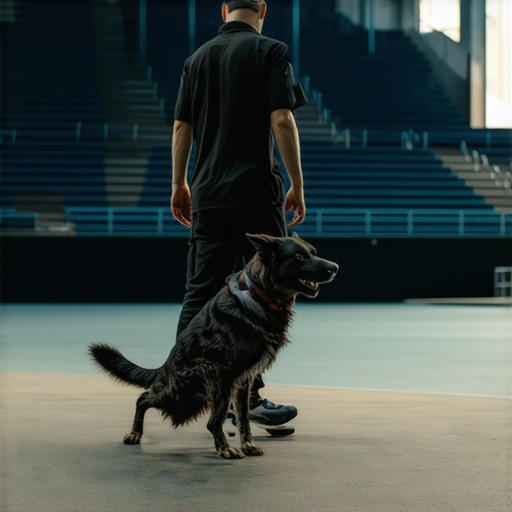
Arizona is bracing for a surge in massive stadium gatherings as we approach 2026. For handlers of psychiatric service dogs (PSDs), these venues represent the ultimate test of focus and task reliability. The combination of scorching desert heat, vibrating floors, and the unpredictable roar of a crowd can overwhelm even a seasoned team. Training isn’t just about sitting still; it’s about maintaining a mental tether when the world turns into a sensory blender. It is about building a dog that trusts its handler more than it fears the booming speakers or the sudden rush of fans after a touchdown.
The High-Stakes Reality of Modern Arizona Venues
Venues like State Farm Stadium or the Footprint Center offer unique challenges. The acoustics alone can trigger a dog’s flight response if they haven’t been desensitized to sudden, high-decibel spikes. We are looking at a future where public access needs to be sharper than ever. This requires a shift from standard drills to high-fidelity environmental conditioning. Handlers must master the art of reading their dog’s subtle stress signals long before a full-blown shutdown occurs. In the Grand Canyon State, this also means accounting for the physical toll of navigating hot asphalt before entering the air-conditioned dome. The physiological stress of heat can lower a dog’s threshold for anxiety, making thorough preparation an absolute necessity for 2026. Experts suggest that consistent exposure to varied auditory triggers is the primary way to ensure your dog remains a working professional rather than a frightened pet.
[image_placeholder_1]
What Makes Arizona’s Stadium Layouts Unique for Working Dogs?
Unlike older East Coast venues, Arizona’s newer stadiums feature wide concourses but complex vertical transitions. Elevators and steep ramps are the norm. A PSD needs to remain tucked and focused while being surrounded by thousands of fans moving in tight formations. The flooring is often polished concrete or metal grates, surfaces that can feel alien or slippery to a dog’s pads. Success in 2026 hinges on your ability to replicate these specific textures and vertical movements during your local training sessions in Mesa or Phoenix. If your dog hasn’t practiced a “tuck” on a moving elevator, a sold-out game is the wrong time to start. Beyond the physical structure, the smell of heavy concessions—popcorn, hot dogs, and spilled beer—creates a massive distraction that requires specific “leave it” mastery under high-arousal conditions.
Can any dog handle the sensory overload of a professional sports venue?
Not every service dog is cut out for the high-intensity atmosphere of a major league event. It takes a specific temperament—one that balances low arousal with high responsiveness to the handler. While task training is the foundation, environmental soundness is the structure that keeps everything standing. Professionals in the field look for dogs that recover quickly from startle responses. If a tray of drinks falls nearby, does the dog bounce back in two seconds, or does it stay rattled? That recovery time is the difference between a successful outing and a stressful retreat. We focus on building that resilience through controlled exposure and positive reinforcement. Even the most highly trained psychiatric service dog may find the 2026 stadium environment taxing, which is why periodic breaks in quiet areas are a vital part of the handler’s strategy.
The ‘Social Buffer’: Managing Extreme Crowd Density
In the lead-up to the 2026 events, handlers must shift focus from simple obedience to the creation of a ‘social buffer.’ In a packed stadium, personal space evaporates. For a handler managing PTSD or severe anxiety, this loss of physical boundaries can be a significant trigger. A psychiatric service dog needs to be proficient in ‘blocking’—positioning themselves either in front of or behind the handler to create a physical gap between the team and the crowd. This isn’t just a static command; it is a dynamic movement. The dog must learn to maintain this position even as the flow of people shifts around them like a river around a stone. In Arizona’s high-capacity venues, these ‘blocks’ become a primary tool for maintaining the handler’s psychological safety.
Refining the ‘Cover’ Command Amidst Chaos
While ‘blocking’ manages the front and back, the ‘cover’ command ensures the handler’s blind spots are monitored. During the high-octane atmosphere of a championship game, the sheer volume of movement can be disorienting. Training your PSD to watch your back while you navigate a concession line or wait for an elevator is invaluable. This task involves the dog facing the opposite direction of the handler, providing a sense of security that someone—or rather, some dog—is watching the perimeter. Success here requires the dog to ignore the tantalizing scents of stadium food and the frantic energy of fans, staying locked into their guardian role. It is about building a partnership where the dog acts as a sensory extension of the handler, filtering out the noise while remaining alert to genuine boundary intrusions.
[image_placeholder_2]
Tactical Gear: Equipping Your PSD for the 2026 Environment
The standard service vest, while functional, may not be enough for the grueling conditions of an Arizona summer event. We are looking at a scenario where dogs might be working in 100-degree-plus temperatures before entering the stadium. Cooling vests that utilize evaporative technology are becoming a staple for local handlers. However, the gear list does not end there. High-fidelity ear protection, specifically designed for canines, is no longer an optional luxury—it is a necessity. The decibel levels during a touchdown or a winning goal can reach levels that cause physical pain to a dog’s sensitive ears. Desensitizing your dog to wearing ‘mutt muffs’ or similar hearing protection is a phase of training that should begin months before the first whistle blows.
The Importance of Paw Protection on Industrial Surfaces
Mesa and Phoenix handlers know that the pavement is a literal hazard for most of the year. But even inside a stadium, flooring can be an issue. Polished concrete can become slick when beer or soda is spilled, and metal ramps can vibrate intensely. Quality boots with rubberized grips provide the necessary traction to prevent slips that could shatter a dog’s confidence. Beyond traction, boots offer a layer of protection against the chemical cleaners often used in large venues, which can irritate sensitive paw pads. Integrating boot-wearing into daily routines ensures that by 2026, your service dog views them as a natural part of their ‘work uniform’ rather than a distraction.
Navigating the Gateway: Security and ADA Compliance
Entering a mega-event involves more than just showing a ticket. Security screenings in 2026 are expected to be more rigorous than ever, involving metal detectors and potentially more invasive bag checks. A PSD must be trained to remain calm while a security officer uses a wand nearby or while the handler is momentarily separated by a magnetometer. It is essential to understand your rights under the Americans with Disabilities Act (ADA), but it is equally important to possess the training that makes the process seamless. A dog that can ‘stay’ with precision while the handler moves through a gate demonstrates the high level of professionalism required in these environments. This reduces friction with stadium staff and ensures you reach your seat without unnecessary stress or delays.
Overcoming the Bio-Feedback Loop in High-Stress Zones
A common oversight in high-stakes environments like a 2026 championship game is the bio-feedback loop. When a handler experiences a spike in cortisol due to crowd density or sensory overload, the psychiatric service dog (PSD) picks up on these physiological shifts instantly. In a stadium seating 70,000 people, this feedback loop can escalate rapidly. Advanced training must focus on handler-state neutrality. This means training the dog to perform its tasks—such as deep pressure therapy (DPT) or grounding—specifically when it senses the handler’s physiological distress, without the dog itself becoming ‘infected’ by that anxiety.
Mitigating Stress Contagion
To break the cycle of stress contagion, handlers in the Mesa and Phoenix areas should practice ‘state-shifting’ exercises. This involves the handler intentionally raising their own heart rate (through physical exertion) and then practicing calming breaths while the dog performs a grounding task. By 2026, the dog should view the handler’s elevated heart rate not as a reason for alarm, but as a directional cue to initiate a specific task. This nuance separates a well-behaved pet from a professional service animal capable of working a high-arousal event.
Advanced Desensitization: The 4-Step Stadium Readiness Protocol
Preparing for a massive event requires more than just walking through a local mall. The sensory profile of a stadium is vertical, vibrating, and unpredictable. Use this structured approach to ensure your team is ready for the 2026 surge:
- Phase 1: Vibration and Haptic Conditioning. Use heavy-duty speakers or subwoofers at home to simulate the low-frequency rumble of a cheering stadium. Feed the dog on or near the vibrating surface to create a positive association with ground tremors.
- Phase 2: Verticality and Tight Transitions. Practice ‘tucking’ under benches in crowded parks or using narrow stairwells in Phoenix parking garages. The dog must be comfortable with ‘high-pressure’ space management where walls and people are closing in.
- Phase 3: Sudden-Onset Decibel Spikes. Use recordings of stadium horns and crowd roars. Start at low volumes and gradually increase while the dog is engaged in high-value play or work. The goal is to eliminate the ‘startle-and-stay-down’ response.
- Phase 4: The Concession Gauntlet. This involves high-distraction ‘leave it’ training. A stadium floor is a minefield of dropped hot dogs and spilled soda. The dog must remain focused on the handler despite a literal buffet at its feet.
Common Misconceptions About Stadium Service Work
One dangerous misconception is that a dog who is ‘bombproof’ at a grocery store will be fine at a FIFA World Cup match or a Super Bowl-level event. The intensity difference is not linear; it is exponential. Another myth is that service dogs do not need breaks. Even the most elite PSDs require decompression windows. Handlers should identify ‘quiet zones’ within the venue—often found near first aid stations or sensory rooms—to allow the dog to ‘turn off’ for ten minutes. Failure to provide these breaks can lead to task fatigue, where the dog simply stops responding to cues because its sensory threshold has been breached. By 2026, the best-prepared teams will be those who prioritize the dog’s mental endurance as much as their task accuracy.
The Future of High-Capacity Service Work: AI and Biometrics
As we look toward the horizon of 2026, the integration of biometric technology into psychiatric service dog (PSD) work is no longer science fiction. We are seeing the emergence of smart harnesses equipped with haptic feedback and physiological sensors that monitor a dog’s heart rate variability (HRV) in real-time. For a handler in a high-arousal environment like a championship game in Glendale, this technology acts as an early warning system. By detecting a spike in the dog’s stress levels before they exhibit physical signs like excessive panting or tucked tails, the handler can make an informed decision to move to a quiet zone. This proactive approach prevents the ‘threshold crossing’ that often leads to a service dog needing weeks of recovery after a single day of work. These ‘Smart PSD’ systems are expected to become standard gear for professional teams navigating the massive crowds of Arizona’s upcoming international spectacles.
How do I know if my service dog is burnt out after a major event?
Post-event burnout is a real physiological state where the dog’s nervous system remains in a state of ‘high alert’ even after returning to the safety of home. Signs of burnout include a sudden lack of focus on tasks they usually perform flawlessly, unusual lethargy, or even a ‘zoomie’ outburst—a frantic release of pent-up energy. Experts recommend a mandatory 48-hour ‘decompression period’ following any mega-event. During this time, the dog should be allowed to engage in species-specific behaviors like sniffing, digging, or long-distance running without the pressure of working. This recovery window allows cortisol levels to return to baseline, ensuring the dog remains a happy, willing partner for the next outing.
[image_placeholder_1]
Predicting Policy Shifts: Digital Credentials and Pre-Registration
While the ADA currently prohibits mandatory certification, the sheer scale of the 2026 events may lead to the adoption of voluntary ‘expedited entry’ programs. Stadiums in the Phoenix area are already exploring digital pre-registration systems that allow handlers to upload their dog’s information in advance. While this doesn’t replace ADA protections, it creates a ‘Fast Pass’ scenario where security staff are pre-briefed on the presence of a service animal, reducing the friction of entry. This trend toward digital integration aims to balance the high security needs of a global event with the accessibility requirements of disabled attendees. Staying ahead of these logistical shifts will be just as important as the physical training your dog receives.
The Adrenal Dump: Managing the ‘Post-Game’ Crash
One of the most overlooked aspects of working a dog in a high-stakes environment is the ‘adrenal dump’ that occurs once the stimulation ends. The transition from a 70,000-person stadium to a quiet parking lot in Mesa can be jarring. This sudden drop in environmental pressure can cause a dog to become physically shaky or emotionally sensitive. Savvy handlers are beginning to implement ‘cool-down protocols,’ which involve slow-paced sniffing walks immediately after leaving the venue. This helps the dog process the sensory input they’ve just endured. By treating the dog like an elite athlete, with both a warm-up and a structured cool-down, you ensure their career longevity and mental health remain intact through the busy 2026 season and beyond.
Handler Resilience: The Emotional Anchor of the Team
Finally, the future of PSD work in Arizona hinges on the emotional regulation of the handler. If the handler is overwhelmed by the heat or the crowds, the dog has no choice but to absorb that energy. Future training trends are placing a heavier emphasis on handler meditation and breathwork as a core component of service dog training. A handler who can remain a ‘calm center’ amidst the storm of a winning touchdown provides the necessary emotional anchor for the dog to stay focused. As we approach the 2026 mega-events, the most successful teams won’t just be the ones with the best ‘sit-stays,’ but the ones with the strongest, most regulated emotional bond.
Frequently Asked Questions
What are the most critical commands for a service dog in a stadium?
Beyond basic obedience, the ‘tuck,’ ‘block,’ and ‘cover’ commands are essential. These allow the dog to manage space effectively in dense crowds and provide the handler with a sense of security during high-arousal moments at major Arizona venues like State Farm Stadium. Mastery of these tasks ensures the dog remains a functional partner rather than a distraction in tight seating arrangements.
How do I handle stadium security with a psychiatric service dog?
Ensure your dog is trained for ‘passive’ screening, where they remain in a steady ‘stay’ while being wanded or as you pass through a magnetometer. While the ADA protects your right to entry without certification, being prepared for the rigorous security protocols expected in 2026 will reduce stress for both the handler and the animal.
Is the Arizona heat a factor for indoor stadium events?
Absolutely. Even if the venue is climate-controlled, the transit across asphalt parking lots in Mesa or Glendale can reach dangerous temperatures. Handlers must utilize protective boots and cooling gear to ensure the dog doesn’t enter the stadium already suffering from physiological heat stress, which significantly lowers their threshold for anxiety.
What should I do if my dog shows signs of stress during a match?
Identify the venue’s ‘quiet zones’ or sensory rooms immediately upon arrival. Taking proactive ten-minute decompression breaks away from the noise and crowd density can prevent a full sensory shutdown and ensure your dog remains capable of performing their psychiatric tasks throughout the entire event.
The Bottom Line: Elite Preparation for a Global Stage
The 2026 mega-events in Arizona represent the pinnacle of public access challenges. Navigating these environments requires more than a well-trained animal; it demands a resilient, high-fidelity partnership capable of managing extreme sensory input and complex bio-feedback loops. By integrating tactical gear, advanced environmental desensitization, and personal emotional regulation, you transform potential chaos into a manageable and successful outing. The investment in specialized training today ensures that when the world’s spotlight shines on the Valley of the Sun, you and your psychiatric service dog will stand as a model of professional focus and unbreakable trust.
Take the Next Step in Your Training Journey
Ready to ensure your team is 2026-compliant? Don’t wait for the crowds to arrive before testing your limits. Reach out to our expert team for a comprehensive environmental assessment and specialized psychiatric service dog training tailored for high-capacity venues. Let’s build the resilience you need to navigate the future with confidence.