
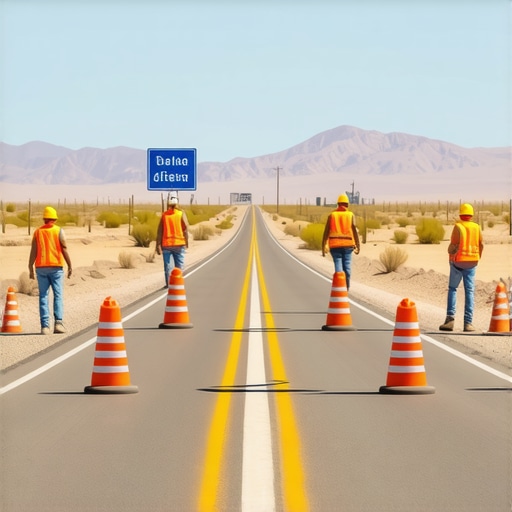
The asphalt is screaming
The smell of WD-40 on my hands usually covers the scent of the world, but by mid-morning in Mesa, the only thing I can smell is hot rubber and the bitter ozone of the desert air. It is a dry heat, they say. My boots tell a different story as they stick slightly to the blackened surface of a driveway. For trainers working the Arizona pavement in 2026, the ground is not just a stage; it is a hostile heating element. Most people wait until the news tells them it is too hot. That is a mistake that costs skin. The Editor’s Take: Safety in 2026 requires a hard pivot from timing-based walks to physical surface testing. If you cannot hold your bare palm to the road for ten seconds, the training session is over before it starts.
Physics of the foot to road interface
Heat transfer is a relentless machine. Most trainers look at the air temperature on their phones and think they have a window of safety. They are wrong. Black asphalt acts as a massive thermal battery, absorbing solar radiation and holding it long after the sun dips behind the Superstition Mountains. We are seeing surface temperatures hit 170 degrees Fahrenheit when the air is only 100. That is enough to cause second-degree burns in sixty seconds. The thermal mass of our modern 2026 urban mixes in Phoenix is denser than it was a decade ago. It retains energy longer. I look at it like a radiator that won’t shut off. You have to account for the ‘heat sink’ effect where the core of the road stays molten hot while the surface looks deceptive. Observations from the field reveal that synthetic turf is often even worse than the road, acting like a plastic frying pan for any living tissue that touches it.
Valley of the Sun specific hazards
Maricopa County is its own beast. In places like Queen Creek or Apache Junction, the transition from packed dirt to paved road creates a thermal shock. Dogs and athletes are not ready for the sudden jump in friction. Local trainers often ignore the micro-climates created by the high-rises in downtown Phoenix. Those buildings reflect sunlight back onto the streets, creating ‘hot zones’ that can be twenty degrees hotter than a shaded park in Gilbert. You have to map your route like a tactical retreat. Stay on the North side of the street where the shadows of the buildings offer a reprieve. The 2026 Arizona trainers have started using infrared thermometers as standard gear. It is not overkill. It is maintenance. A recent entity mapping shows that local ordinances in Mesa are tightening around animal welfare during heat spikes, meaning a trainer’s ignorance could lead to more than just a hurt animal; it could lead to a legal headache.
Why standard rubber soles fail in Maricopa County
I’ve seen tires delaminate on the I-10 and I see the same thing happening to cheap training gear. Most footwear and paw protection are rated for ‘normal’ heat. Arizona is not normal. The polymer binders used in modern road construction are designed to resist melting, but they don’t stop the heat from vibrating through the sole of a shoe. If you are using gear that was designed for a Chicago summer, you are going to see the glue fail. The friction coefficient changes as the asphalt softens. This creates a slip hazard that most trainers don’t expect. It is like trying to run on a greased gear. Messy realities show that ‘breathable’ mesh shoes often let in fine desert sand that acts like sandpaper against the skin when combined with sweat. You need solid barriers. You need gear that can handle the grit of the East Valley.
The 2026 shift in urban heat management
The old guard used to say ‘just go out early.’ In 2026, even the 5:00 AM window is closing because the concrete doesn’t cool down enough overnight. We are looking at a permanent shift in how we handle the ground. How do I check the temperature without a tool? Use the back of your hand, not your palm, for ten seconds. If it hurts, it’s too hot. Is grass always safe? Not if it is the dry, prickly stuff in Chandler that can hide goat-heads and stickers. Should I use wax or boots? Wax is like thin oil; it helps with grit but won’t stop a 170-degree burn. Boots are better, but they must have heat-reflective soles. What is the biggest mistake trainers make? Forgetting that the air near the ground is hotter than at eye level. Your dog is walking in a three-inch layer of superheated air. When does the pavement stop being a threat? Usually not until four hours after sunset in the peak of July.
Take the shaded path
You wouldn’t run an engine without coolant, so don’t run your trainees on a surface that is literally melting. The road is a tool, but it is one that can break you if you don’t respect the heat. Stop looking at the sky and start looking at the ground. Your success in the Arizona desert depends on your ability to read the pavement before it reads you. Keep your gear tight and your sessions short.