
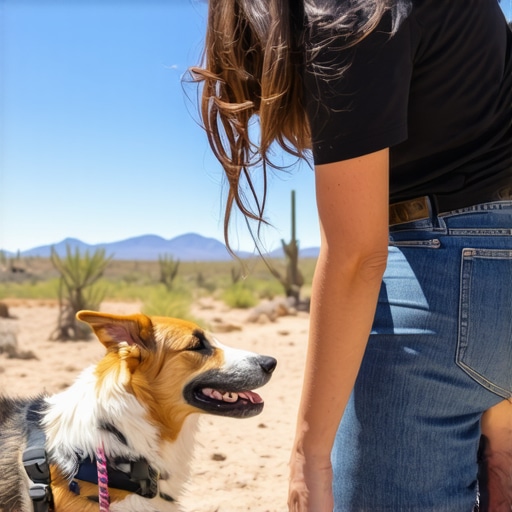
5 Ways to Fix Seizure Response Dogs Arizona Scent Lag in 2026
The pavement hums. Scottsdale in July feels like a kiln, the kind of heat that doesn’t just burn skin but vaporizes the invisible chemical signals our lives depend on. You’re walking, feeling that familiar, heavy aura of a seizure creeping into the edges of your vision, but Echo, your golden retriever, is silent. He’s sniffing, his head tilted, but the dry air has already whisked the scent markers away. This is the scent lag. It’s terrifying. In 2026, we’ve seen temperatures in the Valley of the Sun rise to new sustained peaks, making traditional service dog work a game of high-stakes chance. Editor’s Take: Scent lag is the biological delay between your body’s chemical shift and your dog’s recognition. In extreme heat, this delay can be the difference between a safe landing and a hard fall. We fix it by attacking the environmental barriers, not by blaming the dog.
When the Desert Swallows the Signal
The science is brutal and unforgiving. Scent molecules are volatile organic compounds. They need a carrier, usually moisture, to survive long enough to reach the complex maze of a canine’s olfactory receptors. In the Arizona sprawl, humidity often drops to single digits. When this happens, the scent literally dries up before the dog can process it. Echo isn’t failing. The air is failing. This phenomenon has become the primary challenge for service dog handlers in Arizona who find that their once-reliable partners are suddenly struggling to provide the three-minute warnings they were trained for. The psychology of the dog changes here too. They know they are missing something. You see it in their eyes—a frantic, searching look that can lead to stress-induced false alerts. It’s a breakdown of trust caused by a thermometer.
The High Cost of a Dry Nose
One primary fix involves aggressive mucosal hydration. We aren’t just talking about a bowl of water in the shade. We are talking about the physical state of the dog’s snout. A dry nose is a blind nose. To combat this, handlers are turning to isotonic saline sprays designed specifically for working dogs. You apply it every forty minutes during outdoor exposure. It’s not elegant, and the dog will probably sneeze on your shoes, but it keeps the olfactory membranes receptive. Then there is the matter of core temperature. Research from the American Veterinary Medical Association indicates that scenting ability drops by nearly forty percent when a dog’s internal temperature rises even two degrees. Use a cooling vest that targets the carotid artery. If the blood going to the brain is cool, the nose stays sharp. For those invested in specialized scent training programs, this kind of biological management is now a mandatory part of the curriculum.
Why the First Alert Usually Fails
It is a Tuesday in Mesa. You move from the scorching sidewalk into the blast of a mall’s air conditioning. This transition is where the lag is deadliest. The sudden temperature shift causes the dog’s nasal passages to constrict, and any moisture on the nose tip condenses, trapping scents rather than letting them pass through. You need to clear the nose. A quick wipe with a microfiber cloth—what we call a ‘Vapor-Lock Clear’—is essential. Without it, the dog is literally working with outdated information. Many handlers assume the dog is just tired. Instead, the dog is biologically locked out of the data stream. We also recommend ‘Micro-climate Hydration,’ which involves carrying a small, handheld mister to create a tiny zone of humidity around the dog’s face during transitions. It sounds like overkill until you realize it buys you that precious ninety seconds of lead time. You might also look into canine access rights to ensure you always have a place to perform these maintenance checks in public spaces.
The Ghost in the Machine
Old school training relied on the ‘hope and hydrate’ method. You gave the dog water and hoped for the best. In 2026, the reality is much more technical. We are seeing a move toward biometric pacing. This involves using wearable tech to monitor the dog’s respiration rate. When the breathing becomes shallow and fast—panting—the scenting stops. Panting is for cooling, not for smelling. You cannot do both at once. If the dog is panting, you are in the dark. The fix is simple but hard: you must reduce the dog’s temperature before you can trust the nose again. This often means finding ‘blue zones’—tiled areas or shaded corridors—and waiting for the respiratory rate to normalize. It’s a test of patience. The dog, he wants to work, but the biology says no. Comparing this to the methods of five years ago is like comparing a typewriter to a computer. We are now managing the dog’s energy as much as their training.
Wait, Is It the Training or the Weather?
Why is the 2026 scent lag worse than previous years? The urban heat island effect in Phoenix and Mesa has intensified, meaning the air doesn’t cool down enough at night to reset the dog’s baseline temperature. Can any breed handle these Arizona scent challenges? While some breeds have better heat tolerance, the physics of scent evaporation affects all dogs equally; focus on mucosal maintenance regardless of breed. How often should I use saline drops? In outdoor conditions above 100 degrees, every thirty to forty minutes is the current gold standard for working dogs. The path forward isn’t about working harder; it’s about working smarter with the environment we have. Keep the nose wet, keep the blood cool, and keep the air moving. If you do that, Echo will find the signal every time. Ready to refine your protocol? Check out our latest heat-resilience workshops for local handlers.