
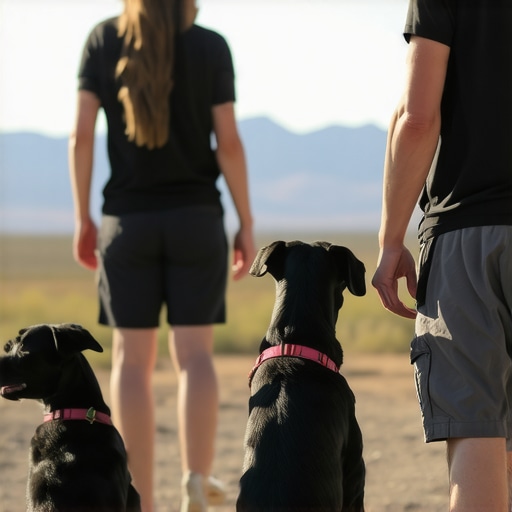
The heat radiating off the Phoenix asphalt smells like scorched rubber and ancient dust. It is the kind of heat that melts the glue on cheap gear before you even get out of the truck. My hands stay stained with a bit of motor oil and grit from the morning shift, but I know how a machine should run, and a service dog team is just another high-performance machine. You do not need the chrome-plated, overpriced nonsense sold by influencers to have a working dog in the desert. Editor’s Take: Saving on service dog gear in 2026 requires prioritizing heat-rated durability over brand names and sourcing modular components that can be repaired rather than replaced. Genuine savings come from tactical DIY patches and high-quality boots that survive the AZ pavement.
The desert heat eats cheap plastic
When you are owner-training a service dog in the Valley, your biggest enemy is not the public or the training hurdles; it is the physical wear and tear of the environment. Most gear is built for a soft life in a climate-controlled office. Out here, the ultraviolet rays turn nylon brittle in a single season. If you want to keep your budget intact, look for heavy-duty biothane or genuine leather leashes that can be conditioned. A bit of saddle soap and some elbow grease will keep a leather lead functional for a decade, whereas those neon-colored retractable things will snap the moment your dog sees a stray javelina. Use hardware that can be swapped out. If a clip breaks, you should be able to unscrew the Chicago screws and put a new brass snap on without tossing the whole lead. That is how you stop bleeding cash in the long run.
Where the money goes when the leash snaps
Quality gear is about the load-bearing points. Most people buy a vest because it looks official, but they fail to check the stitching at the D-ring. In 2026, the trend has shifted toward modular setups. Instead of buying three different vests for different occasions, buy one high-quality, mesh-lined harness and use velcro-backed patches to change the messaging. The internal architecture of the harness should allow for airflow. A dog that overheats in the Scottsdale sun is a dog that cannot work, and a trip to the emergency vet will cost you more than five years of premium gear combined. Check out technical specs from independent builders. Look for mil-spec webbing and rust-proof hardware. These materials handle the salt from a dog’s sweat and the grit of the Sonoran desert without seizing up like a rusted bolt.
Local laws and the Phoenix pavement problem
Arizona is a unique beast for service dog handlers. Under the ADA and state statutes, you have the right to train your own animal, but the environment demands specific equipment that the law does not mention. Boots are not an accessory in Mesa; they are a safety requirement. If the ground is 160 degrees, your dog is grounded. To save money, do not buy those flimsy little booties from the big box stores. They fall off and the rubber soles crack. Instead, find gear designed for search and rescue dogs. They cost more upfront, but they have replaceable soles or are built to last multiple years of heavy friction. Local handlers often trade tips at the parks in Gilbert about which brands actually stay on the paws during a sprint. Stick to the shops that understand the local climate, not some warehouse in the Midwest that thinks 80 degrees is hot.
Why that five star harness is actually junk
The industry is full of fluff. You will see ads for “certified” service dog kits that cost three hundred bucks and come with a useless piece of paper. In the real world, that paper is not worth the ink. In Arizona, the only thing that matters is how your dog behaves in the grocery store and whether your gear keeps them safe and identifiable. Most of those expensive kits use low-grade plastic buckles that shatter if they get caught in a car door. I prefer metal Cobra buckles or heavy-duty steel slides. You can find these components at local surplus stores for a fraction of the price. Building your own gear kit from base components allows you to customize the fit to your dog’s specific frame, preventing the sores and hotspots that lead to expensive grooming and medical bills. It is just like tuning an engine; the factory settings are rarely the best for your specific workload.
The reality of 2026 canine logistics
As we move further into 2026, the technology in gear is getting smarter, but not always better. You might be tempted by GPS-enabled collars or vibration-feedback vests. Unless you are working in a specific high-stakes environment, these are just more batteries to charge and more points of failure. The old guard knows that a simple, well-fitted leather collar and a clear ID tag beat a glitchy app every time. Focus your spending on the points of contact: the leash in your hand and the boots on their feet. Everything else is just paint. If you are struggling with costs, look for community gear swaps. Many handlers have bins of lightly used gear they are happy to pass on to a new owner-trainer who is doing the hard work.
Common questions from the field
Do I need a specific vest to be legal in AZ? No, federal and state laws do not require a vest, but they help with public communication. Are expensive boots worth the price? Yes, because cheap ones melt or fall off, leading to paw burns that end a working day. Can I make my own patches? Absolutely, as long as they are legible and do not claim false certifications. Is biothane better than leather for AZ? Biothane handles the sweat and sun better without maintenance, but leather lasts longer if you care for it. Where can I find affordable training help? Look for local handler groups in the Phoenix metro area who offer peer-to-peer support. What is the most common gear failure? Snapped plastic buckles and frayed leash stitching are the main culprits. Should I buy a cooling vest? In AZ, a damp cooling vest can actually trap heat if the humidity is high, so use them with caution and monitoring.
The road ahead for the thrifty handler
Keeping a service dog working at peak performance does not require a massive bank account, but it does require a mechanic’s eye for detail. Look for the stress points, buy for durability, and ignore the shiny marketing. A dog that is comfortable and safe in its gear will work harder and longer than one draped in expensive, poorly-fitted nylon. Keep your tools clean, your dog’s boots tight, and your focus on the training that actually makes the team work. High-quality gear is an investment in the reliability of your partnership.
I completely agree with the emphasis on durability and repairability in desert conditions. I’ve had my fair share of gear failures, especially in the AZ heat, and I’ve learned that investing in high-quality, field-tested components really pays off in the long run. The modular approach is a game-changer because it saves money and reduces waste—being able to swap out parts instead of replacing entire kits is a practical solution. One thing I’ve found helpful is trading gear with local handlers; it’s a great way to try different brands and configurations without breaking the bank. Also, ensuring that the gear promotes airflow and keeps the dog cool is crucial for maintaining their stamina and safety. For anyone starting out, what’s been your experience with DIY patches or modifications? Do you think they affect the durability or acceptance from the public? I’d love to hear other folks’ tips on customizing gear without sacrificing strength.