
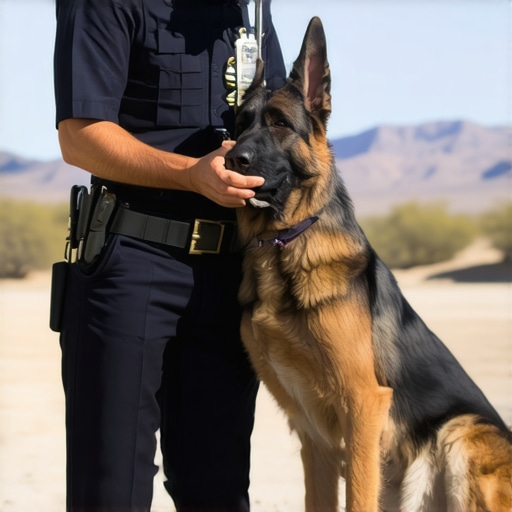
The grit in the gears of Arizona service dog law
I can still smell the WD-40 on my palms from fixing a stubborn alternator this morning, and frankly, the legal misinformation floating around the Phoenix valley right now is harder to scrub off than axle grease. Most people think they can just slap a badge on a dog and call it a day. That is a lie that will leave you stranded on the side of the road. In the 2026 reality of Arizona handler rights, the engine is changing. You do not need a fancy degree to see that the paperwork being sold on the internet is about as useful as a screen door on a submarine. If you are training your own service dog in Mesa or Gilbert, you need to know exactly which parts of the law are structural and which are just cosmetic fluff. Editor’s Take: Ownership of your training process is the only way to bypass the inevitable crackdown on fraudulent certifications hitting the Southwest.
The certification paper trail that leads nowhere
Stop looking for a government-issued ID card for your dog. It does not exist. In the eyes of the ADA and the specific updates we are seeing in Arizona, that laminated card you bought is a counterfeit part. I have seen folks walk into a shop in Queen Creek expecting a red carpet because they have a QR code on their dog’s vest. The law is blunt. The dog is defined by what it does, not what it wears. If the animal cannot perform a specific task to mitigate a disability, it is just a pet in a costume. Professional handlers know that the real ‘registration’ happens in the thousands of hours of reps in the Arizona heat, not on a checkout page. You are building a machine here. A machine needs to work when the pressure is on, and a piece of plastic does not help when your dog is distracted by a dropped taco in a Phoenix food court.
Local friction in the East Valley
Arizona Revised Statute 11-1024 is the local frame holding this whole thing together. Down here in the East Valley, from Apache Junction to the edges of Gilbert, business owners are getting smarter. They are tired of the ’emotional support’ tag being used as a bypass for bad behavior. If your dog is barking at the checkout or lunging at a kid, you are losing your access rights regardless of what the vest says. A service dog must be under the handler’s control. That is non-negotiable. I have watched handlers get kicked out of shops because they thought the law was a shield for poor manners. It is not. It is a tool for the disciplined. Observations from the field reveal that the most successful owner-trainers are those who treat their public access work like a flight check. You do not take off until every system is green.
Why the professional label is a trap
People keep telling me they need a ‘professional’ to sign off on their dog. That is another myth that needs to be tossed in the scrap heap. You can train your own dog. The ‘owner-trained’ path is fully recognized, provided you actually do the work. The problem is people mistake ‘training’ for ‘living with.’ Training is a specific, high-torque activity that requires precision. When you are out in the sun near Mesa, the stakes are higher. Heat fatigue can make a dog’s performance slip, and if you are not prepared for that, you are failing the machine. Messy realities on the ground show that most owner-trainers give up right before the dog’s behavior becomes consistent because they are following an outdated manual from five years ago. 2026 demands a dog that can handle the sensory overload of a modern city center without blowing a fuse.
The reality of public access challenges
If a manager asks you the two permitted questions, do not get defensive. That is their right. They can ask if the dog is a service animal required because of a disability and what work or task the dog has been trained to perform. If you start quoting internet laws that don’t exist, you look like a fraud. Keep it simple. Describe the task. ‘She performs deep pressure therapy’ or ‘He alerts to my blood sugar drops.’ That is the torque you need to get through the door. If you fumble that, you are essentially telling them your dog is a pet. The friction in these interactions usually comes from handlers who don’t know their own rights or the limits of those rights. You cannot take your dog into a sterile operating room, and you cannot let them sit on a chair in a restaurant. Know the boundaries, or you will get boxed in.
Frequently asked questions from the garage floor
Can an Arizona business demand to see my dog’s papers? No. They can only ask the two specific questions mentioned above. If they ask for ‘papers,’ they are out of line, but you should handle it with a calm explanation rather than a shouting match. Does my dog have to wear a vest in 115-degree Phoenix heat? No law requires a vest. In fact, on a black asphalt day in Gilbert, a heavy vest might do more harm than good. Identification is helpful but not legally mandatory. What if my dog is still in training? Arizona law is actually pretty decent about service dogs in training, granting them similar access rights as fully trained dogs, but they must be under control and learning. Can I be charged extra for my service dog at a hotel in Scottsdale? Absolutely not. That is a violation of federal and state law. No ‘pet fees’ for a tool. What happens if my dog has an accident in a store? You are responsible. Clean it up and expect that the business has the right to ask you to remove the dog for that specific instance. It is a failure in the ‘maintenance’ of the dog’s training. Is an ESA the same as a service dog in Arizona? No. ESAs have housing rights under the FHA, but they do not have public access rights in Arizona businesses. Do not mix those parts up or you will break your access. Do I need a lawyer to fight for my access? Usually, a clear understanding of the law and a calm demeanor solve 99% of issues before they need a courtroom.
Keep the machine running
The future of handling is not about buying shortcuts; it is about the structural integrity of the bond between you and your dog. As we move into 2026, the noise is only going to get louder. The people who will succeed are the ones who ignore the shiny ‘registration’ scams and focus on the hard work of task training and public socialization. If you want a dog that can navigate the chaos of a Phoenix summer and the complexities of modern law, you have to be the lead mechanic. Don’t let a myth stall your progress. Get out there, do the reps, and prove that your owner-trained dog is the most reliable machine on the road. For those ready to tighten the bolts on their training, it is time to get to work.