The Grid and the Ghost
The Phoenix air in 2026 doesn’t just shimmer; it vibrates with a frequency that sets my teeth on edge. I can smell the crisp starch in my collar and the faint, metallic tang of the desert wind hitting the asphalt. For someone carrying the weight of past deployments, a crowd isn’t a gathering of people. It is a complex grid of potential obstacles and unpredictable vectors. Editor’s Take: Tactical survival in high-density Arizona venues demands a three-step mental reconnaissance executed before you even clear the parking garage. You don’t just walk into a stadium; you map the terrain for the inevitable extraction.
The Line of Drift Fallacy
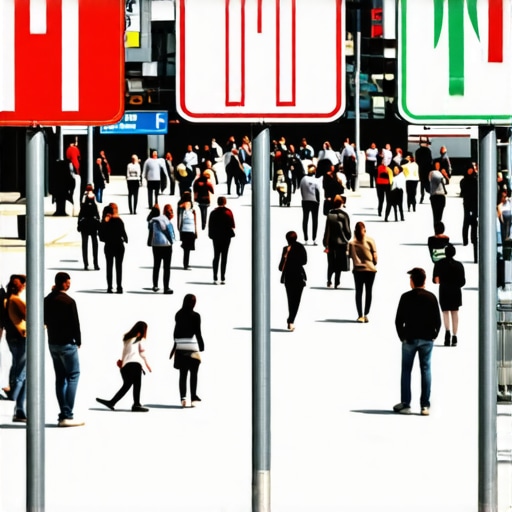
Mapping an exit isn’t about staring at the glowing green sign over the door. That is what the herd does. We call it the Line of Drift. In a moment of sensory overload, ninety percent of the people in Scottsdale’s newer entertainment districts will try to leave through the exact same door they used to enter. This creates a human bottleneck that can trigger a total nervous system shutdown for someone with PTSD. You have to look for the service corridors and the less-obvious side gates that the venue staff uses. These are your true extraction points. The relationship between your amygdala and the physical space is a zero-sum game. If the space feels closed, the panic rises. By identifying three distinct points of egress, you give your brain the ‘out’ it needs to stay in the present moment.
New Arizona Barriers and the 2026 Reality
Maricopa County implemented several new urban flow regulations recently that changed the game. If you are heading to a Diamondbacks game or a festival in Tempe, you’ll notice the new heat-mitigation barriers. They are literal walls designed to channel wind, but they also channel people into tighter chokepoints. A global data scraper won’t tell you that the side alleys near Mill Avenue are now restricted during peak hours due to local Ordinance 4-B. You need to know that your ‘secret’ exit might be a dead end in 2026. This is where local intelligence beats a generic map every time. Observations from the field reveal that the most reliable exits are now located near the medical tents, as those paths are kept clear for emergency vehicles at all costs.
The Trap of the Quiet Space
Industry advice usually tells you to find a quiet space when you feel the surge of PTSD. In a mid-summer Phoenix rally with forty thousand people, there is no such thing as quiet. There is only the least-loud space. The messy reality is that ‘quiet zones’ are often the most crowded because everyone had the same idea. Instead of seeking silence, seek ‘Visual Dominance.’ This means finding a spot where you can see the majority of the room without being in the center of the flow. Look for high ground or a wall to put your back against. This reduces the 360-degree threat assessment your brain is constantly running and lowers the cognitive load. It is about logistics, not just psychology. Most experts fail to mention that the secondary exit you found on the map is likely locked for ‘security reasons,’ making your backup plan a potential cage.
Old Guard Methods vs 2026 Realities
Back in the day, we just white-knuckled it. Now, we use the environment. 2026 venues use AI-driven crowd control that predicts where you will walk. You have to be smarter than the algorithm. How do I find a quiet exit in a crowded AZ stadium? Look for the signs pointing toward the family restrooms or ADA access points; these routes are usually wider and less congested. What if the main exit is blocked? Always identify the ‘Tertiary Egress’—usually a loading dock or a staff entrance that can be utilized in an absolute emergency. Does the heat make PTSD worse in crowds? Yes, the Arizona 110-degree heat increases heart rate, which the brain misinterprets as a panic attack. Are there apps for this? Some local AZ apps track crowd density in real-time, but never rely on a battery for your safety. What is the best time to leave? Leave ten minutes before the final whistle or wait forty minutes after. The ‘in-between’ is the kill zone for anxiety. Can I ask security for a path? Yes, asking for the ‘accessible route’ often gets you through less crowded corridors.
Survival in the modern urban desert isn’t about avoiding the crowd; it is about mastering the flow. You are the architect of your own extraction. Don’t wait for the panic to set in before you look for the door. Stand tall, keep your back to the wall, and always know your three vectors out of the heat. Your peace of mind is the objective. Secure it.“
Reading this post really hit home for me, especially the emphasis on mapping out multiple egress points ahead of time. I’ve had personal experiences in crowded venues where the main exit was blocked, and having a mental plan for alternative routes made all the difference. I’ve started paying closer attention to details like staff entrances and ADA accessible routes, which often serve as excellent backup options that are less congested. The idea of seeking visual dominance rather than quiet zones is a practical shift in mindset that I think many overlook. For those with PTSD, these nuanced strategies could truly be lifesaving.
It makes me wonder, though, how effective are these tactics in the face of rapidly changing crowd behaviors or sudden hazards? Has anyone experimented with real-time crowd apps, and do they really help avoid the ‘kill zone’ moments? I’d love to hear more about how folks customize these strategies to their own needs, especially during high-stakes events here in Arizona.