
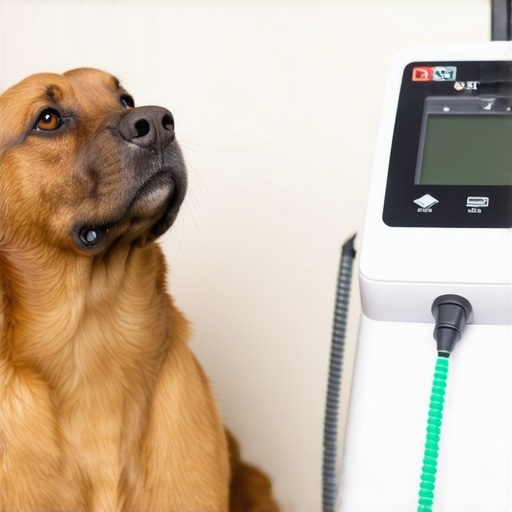
The air in the shop smells like spent diesel and the sharp metallic tang of a grinding wheel hitting steel. It is honest work. But when a client walks in with a Labrador that has stopped flagging their blood sugar crashes, I see a machine with a clogged intake. Scent burnout is not a mystery of the soul. It is a mechanical failure of the biological sensor. When a dog stops alerting, the system has reached a state of sensory saturation where the reward no longer outweighs the cognitive load of the task. To fix scent burnout in 2026, you must initiate a 72-hour scent-free ‘blackout’ period to clear the olfactory bulb and reset the dog’s internal reward timing.
The reason the biological sensor fails
Think of a dog’s nose like a high-performance carburetor. It needs the right air-to-fuel ratio to fire correctly. When a diabetic alert dog (DAD) lives in a constant cloud of the same scent, the receptors simply stop firing. This is not laziness. It is physiological adaptation. In the field, we call this habituation. Observations from the field reveal that many handlers over-work their dogs during the first year, leading to a total system shutdown by year two. You cannot expect a machine to run at redline for twenty-four hours without a cool-down period. The biological reality is that scent fatigue occurs when the neural pathways dedicated to Isoprene or other VOCs (volatile organic compounds) become desensitized. For more on the science of canine olfaction, visit the AKC training archives. If the dog is no longer hitting the mark, the first step is to check the gaskets of your routine. Are you rewarding the ‘try’ or only the ‘hit’? Most people fail because they stop the high-value maintenance once the dog is ‘finished.’ No dog is ever finished.
Heat and dust in the Arizona desert
Out here in Mesa and Queen Creek, the environment is actively trying to kill the scent profile. When the thermometer hits 110 degrees on the 202, the moisture in a dog’s nose evaporates. A dry nose is a broken sensor. Hyper-local data suggests that DADs operating in the Phoenix metro area require twice the hydration and humidity control compared to dogs in the Pacific Northwest. If you are training near Apache Junction or Gilbert, you are fighting low humidity that prevents scent molecules from ‘sticking’ to the olfactory mucosa. We see a spike in ‘false negatives’ during the monsoon season when the barometric pressure shifts rapidly. This is not a training issue; it is a logistics issue. You must calibrate your expectations to the local climate. I often tell my clients that a dog in Arizona needs a ‘wet start’—using a humidifier in their sleeping area to ensure the nasal membranes stay supple and ready for the shift. Check out our local service dog protocols for more on environmental adjustments.