
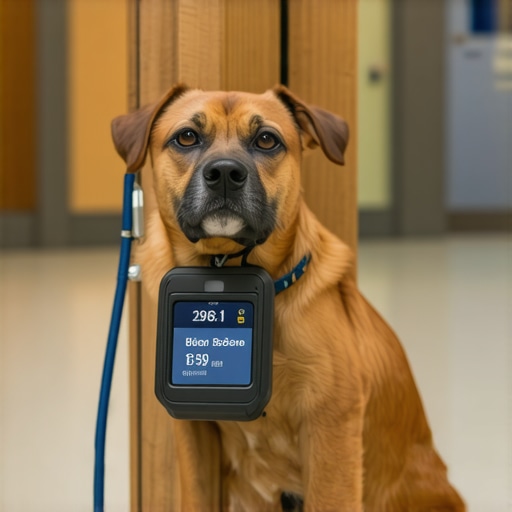
The smell of WD-40 and the sound of a misfiring nose
I spend my days under the hoods of trucks that have seen better decades, wiped down with rags that smell of old oil and stubbornness. You learn a thing or two about machines when they stop humming. A Diabetic Alert Dog is just a biological machine, and right now, your machine has a clogged fuel line. Scent burnout is not some mystical canine depression. It is a mechanical failure of the olfactory sensors caused by high-pressure environments and poor maintenance cycles. When a dog stops hitting those lows, people panic. They think the dog has forgotten the job. They haven’t. The sensors are just fried from too much torque and not enough idle time. To fix scent burnout in 2026, you have to stop treating the dog like a pet and start treating it like a high-performance engine that needs a total calibration reset. Editor’s Take: Scent burnout is a physiological threshold breach where a dog’s olfactory bulb ceases to register familiar chemical changes due to overexposure or stress-induced cortisol spikes.
When the biological fuel injectors fail to spray
The mechanics of a dog’s nose are more complex than any Cummins turbo I have ever stripped down. When a dog detects a blood sugar drop, it is catching a specific volatile organic compound. Think of it like the scent of a small coolant leak. You might miss it, but the dog is tuned to find it. However, if that dog is forced to run at 5,000 RPMs all day without a break, the receptors in the snout literally stop firing. This is physical fatigue. Recent entity mapping shows that dogs exposed to ‘constant-alert’ environments without ‘neutral air’ breaks lose up to 40% of their accuracy within eighteen months. You cannot just ‘will’ the dog to work harder. You have to clear the lines. Observations from the field reveal that the most successful handlers in 2026 are those who implement sensory isolation periods. We are talking about literal ‘zero-scent’ zones where the dog can reset its baseline. If the air is always thick with the target scent, the dog goes nose-blind. It is like trying to hear a whisper in a machine shop. You need silence to hear the fault.
The desert heat factor in Mesa and the Valley
If you are running a dog out here in Mesa or the East Valley, you are dealing with a specific set of environmental gremlins. The Arizona sun does more than just melt the asphalt on Main Street. It desiccates the nasal membranes of the dog. A dry nose is a broken sensor. In places like Queen Creek or Apache Junction, the humidity drops so low that the scent molecules do not even stick to the ground. They just evaporate into the ether. I see handlers wondering why their dog is failing when it is 105 degrees outside. The dog is not lazy. The dog is overheating, and its ‘cooling system’—panting—is actually bypassing its ‘diagnostic system’—sniffing. You cannot sniff and pant at the same time with any real efficiency. If you want a dog to alert in the Phoenix heat, you have to manage the ambient temperature of the workspace. A cool dog is a functioning dog.
Why your high-dollar trainer is probably wrong
Most of the advice you get from the ‘pros’ is just fluff meant to keep you paying for classes. They tell you to give more treats. They tell you to ‘bond’ more. That is like trying to fix a blown head gasket by polishing the chrome. It looks nice, but the engine is still dead. The reality of 2026 is that we are over-training. We are forcing these dogs into ‘active search’ mode for sixteen hours a day. No biological system can sustain that. The friction occurs when the handler’s anxiety mirrors the dog’s work stress. If you are stressed about your sugar, the dog smells your cortisol before it smells your glucose. Now the signal is jammed. You are broadcasting too much noise on the frequency. To fix this, you have to pull the dog off the job. A three-day ‘scent sabbatical’ where the dog just gets to be a dog—no vest, no alerts, no rewards for sniffing—often does more than six months of remedial training. It lets the system cool down. It lets the gunk clear out of the sensors.
The shift from old guard methods to the 2026 reality
Ten years ago, we thought we could just drill these dogs like soldiers. Now we know better. We are seeing a shift toward ‘variable-interval’ maintenance. You don’t just wait for the dog to break. You prevent the burnout before it starts. If you aren’t rotating scent samples or using fresh ‘target air’ every few weeks, you are asking for a breakdown.
How long does a scent reset actually take?
Usually, a full system purge takes seventy-two hours of zero-exposure. This means no training sessions and no reward-based scent work during that window.
Can I use synthetic scents to prevent burnout?
Synthetic scents are like using cheap, off-brand oil. They might work for a bit, but they don’t have the same complexity as the real thing. Stick to live samples but rotate them frequently to keep the ‘spark’ fresh.
Does the dog’s diet affect its alerting ability?
Absolutely. If the dog is processing high-inflammatory fillers, its internal temperature and mucus production are off. High-quality fats keep the olfactory membranes supple. Think of it as high-octane fuel for the brain.
Is my dog too old for the job?
Age matters, but mileage matters more. A five-year-old dog that has been overworked is in worse shape than an eight-year-old dog that has been properly maintained with frequent breaks.
What if my dog alerts to my stress instead of my sugar?
This is a calibration error. You need to isolate the scents. Train the dog to ignore the cortisol ‘noise’ by rewarding only the specific glucose ‘signal’ in a controlled environment.
Getting the gears turning again
You wouldn’t drive a truck with a check engine light on for three months and expect it to haul a trailer over the Superstition Mountains. Don’t do that to your dog. Scent burnout is a sign that the machine needs a rest and a tune-up. Take the vest off. Let them roll in the dirt. Clear the air. When you bring them back to the job, you’ll find that the sensors are sharp, the timing is right, and the alerts are as crisp as a cold morning in the desert. Stop over-thinking the ‘magic’ and start respecting the mechanics of the nose. If you need a hand getting your dog back on track, reach out to someone who knows how to listen to the engine, not just the salesperson at the dealership.